The 1980s and 1990s are making a surprising comeback on Nepali social media—not through vintage wardrobes pulled from family closets, but through artificial intelligence.
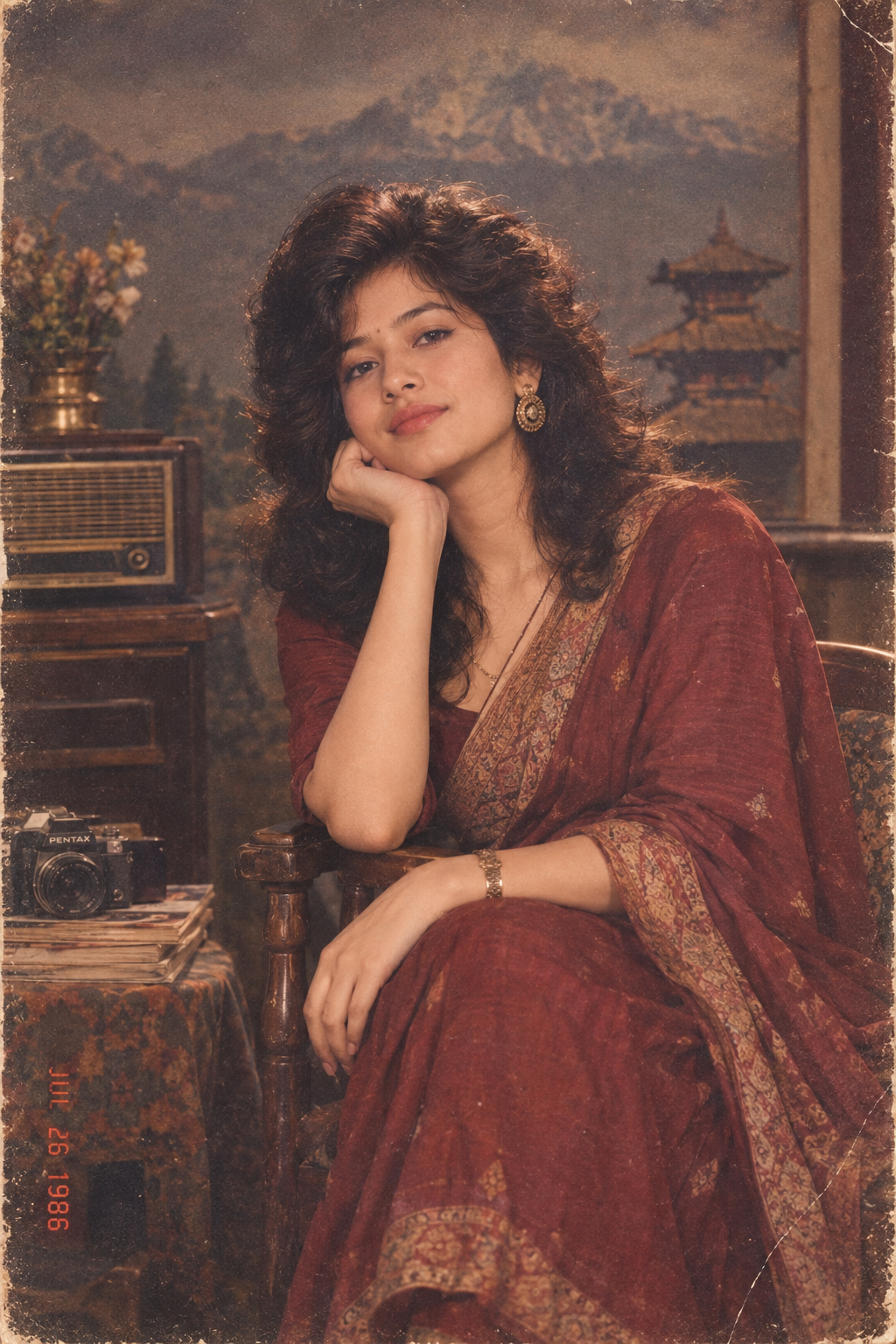
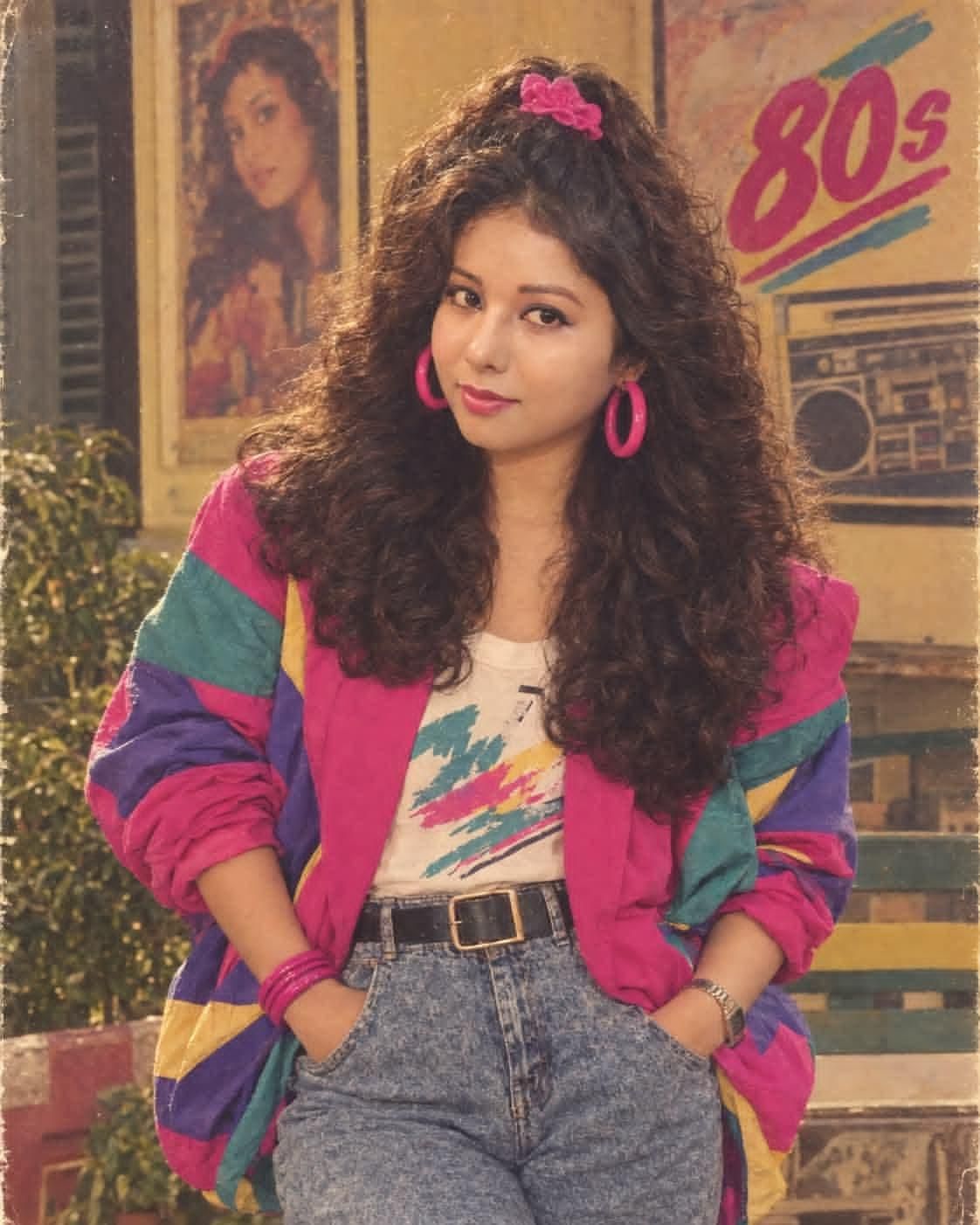
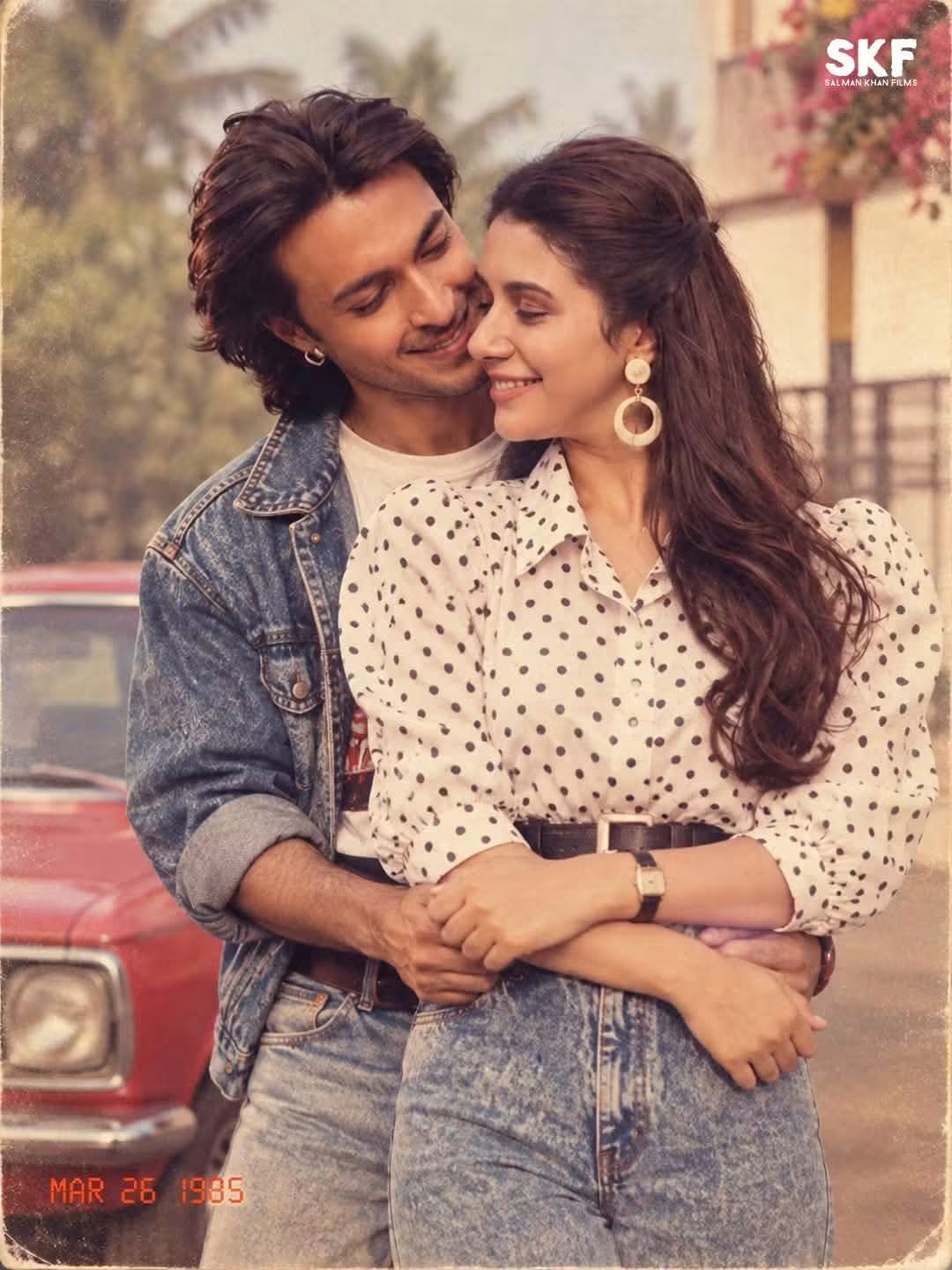
Across Instagram, TikTok and Facebook, Nepali users are transforming their contemporary photographs into retro portraits inspired by the fashion, hairstyles, photography and pop culture aesthetics of the 1980s and 1990s. From oversized blazers and denim to bold sunglasses, leather jackets and voluminous hairstyles, the trend is giving today’s digital generation a chance to see themselves in another era.
From Modern Selfie to Retro Icon
Unlike conventional vintage filters that simply add grain or faded colours, generative AI can completely reimagine a photograph. Users can change clothing, hairstyles, surroundings, lighting and even the overall photographic mood while retaining their recognizable facial appearance.
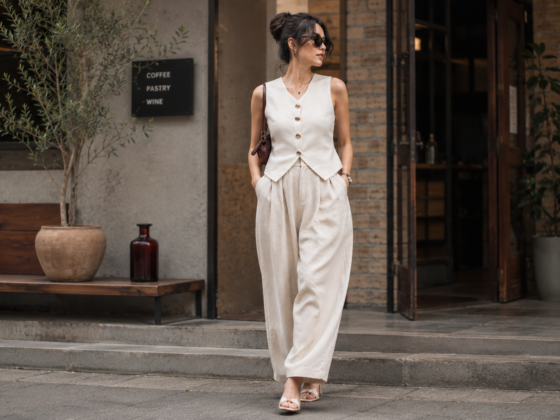
The fashion references are largely international, drawing from the global style language of the era. Power-shoulder blazers, high-waisted denim, leather jackets, graphic T-shirts, oversized shirts, mini dresses, statement accessories and bold eyewear are among the looks being recreated.
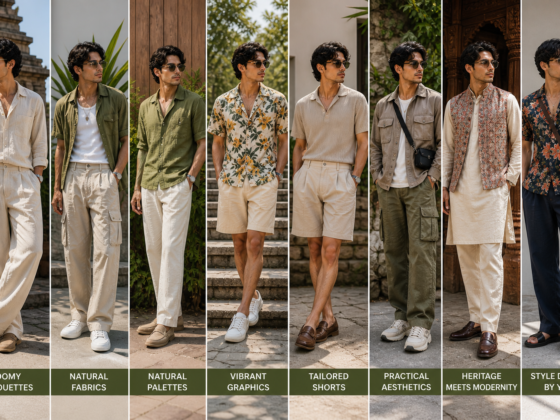
For women, the trend often explores voluminous hair, dramatic silhouettes, colourful dresses, denim and statement jewellery, while men’s looks include relaxed tailoring, bomber and leather jackets, denim, tucked-in shirts and retro sunglasses.
The 1980s vs. 1990s Aesthetic
The appeal also comes from the distinct visual identities of the two decades.
The 1980s are being interpreted through bold silhouettes, oversized tailoring, bright fashion, big hair, dramatic accessories and studio photography.
The 1990s, meanwhile, bring a more relaxed attitude—think denim, leather jackets, simple fitted tops, slip dresses, loose shirts, sneakers and minimalist styling.
AI allows users to experiment with both decades without needing an actual vintage wardrobe or professional styling setup.
Why Nepali Social Media Is Joining the Revival
The trend reflects a wider global fascination with Y2K, vintage and archival fashion, but social media has given it a distinctly local audience.
For many young Nepalis, the appeal lies in imagining themselves as part of an era they know mainly through old photographs, films, music videos and fashion magazines. Others are recreating the style of their parents’ generation or experimenting with fashion aesthetics that have returned to contemporary runways and social media.
The simplicity of AI tools has also made the transformation accessible. A single portrait and a detailed prompt can produce a highly stylized period image within minutes.
How the AI Transformation Works
Users generally upload a clear portrait and describe the decade, clothing, hairstyle, setting, lighting and photographic style they want.
A typical prompt might ask an AI image generator to transform the photograph into an authentic 1980s or 1990s fashion portrait, while preserving the person’s recognizable facial features. Details such as analogue studio lighting, 35mm film grain, vintage colours, period-appropriate clothing and retro backgrounds help strengthen the illusion.
The result is more than a simple filter. It becomes a digitally constructed fashion photograph that combines today’s face with yesterday’s style.
Nostalgia Gets a New Wardrobe
The viral trend demonstrates how AI is changing the relationship between fashion, photography and nostalgia. For Nepali users, the attraction is not necessarily about recreating a traditional past, but about exploring the international fashion language of the 1980s and 1990s through a contemporary digital lens.
What once required vintage clothing, professional styling and an analogue camera can now be explored through a smartphone and a well-written prompt.
And on Nepali feeds, the past is suddenly looking fashionable again.