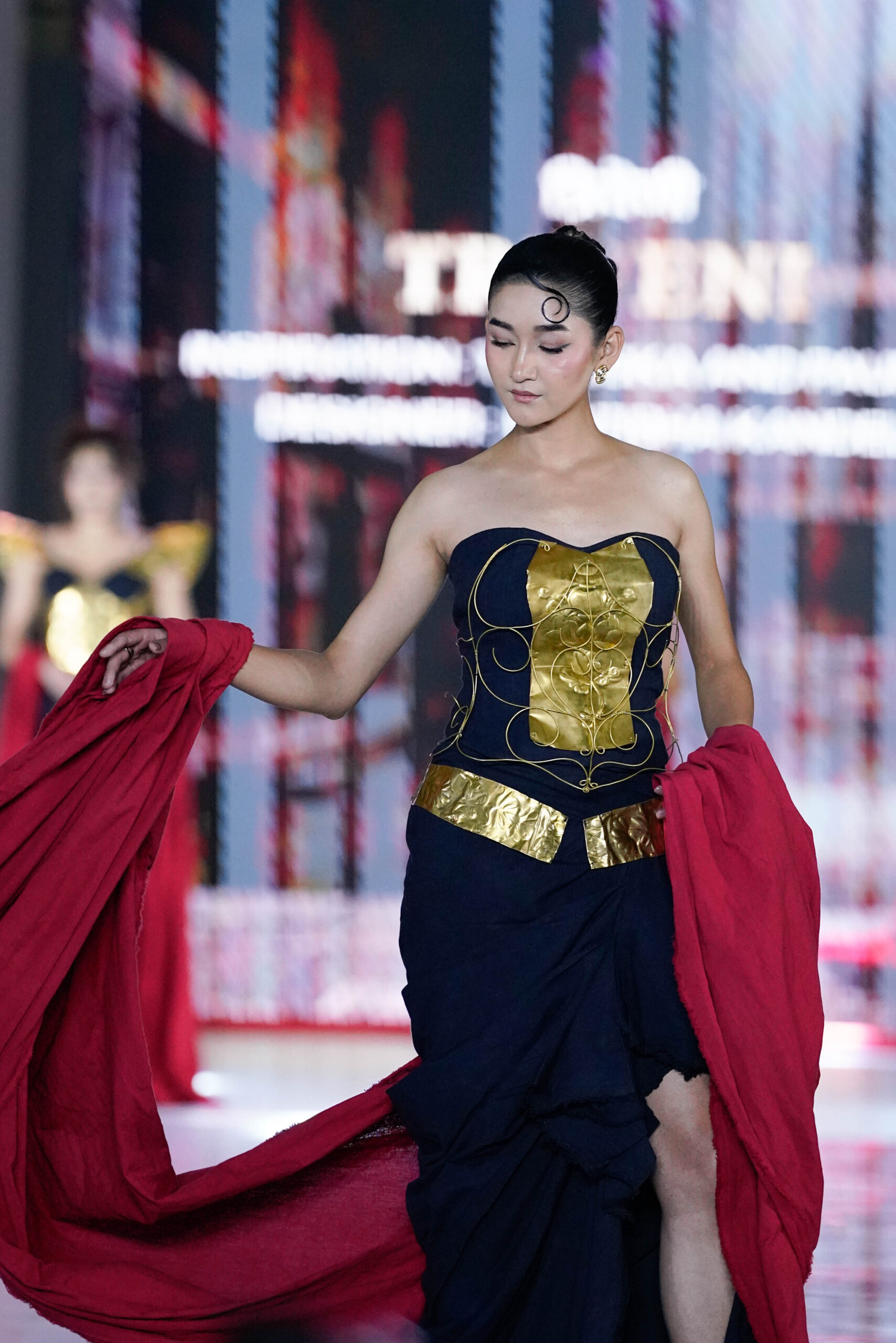
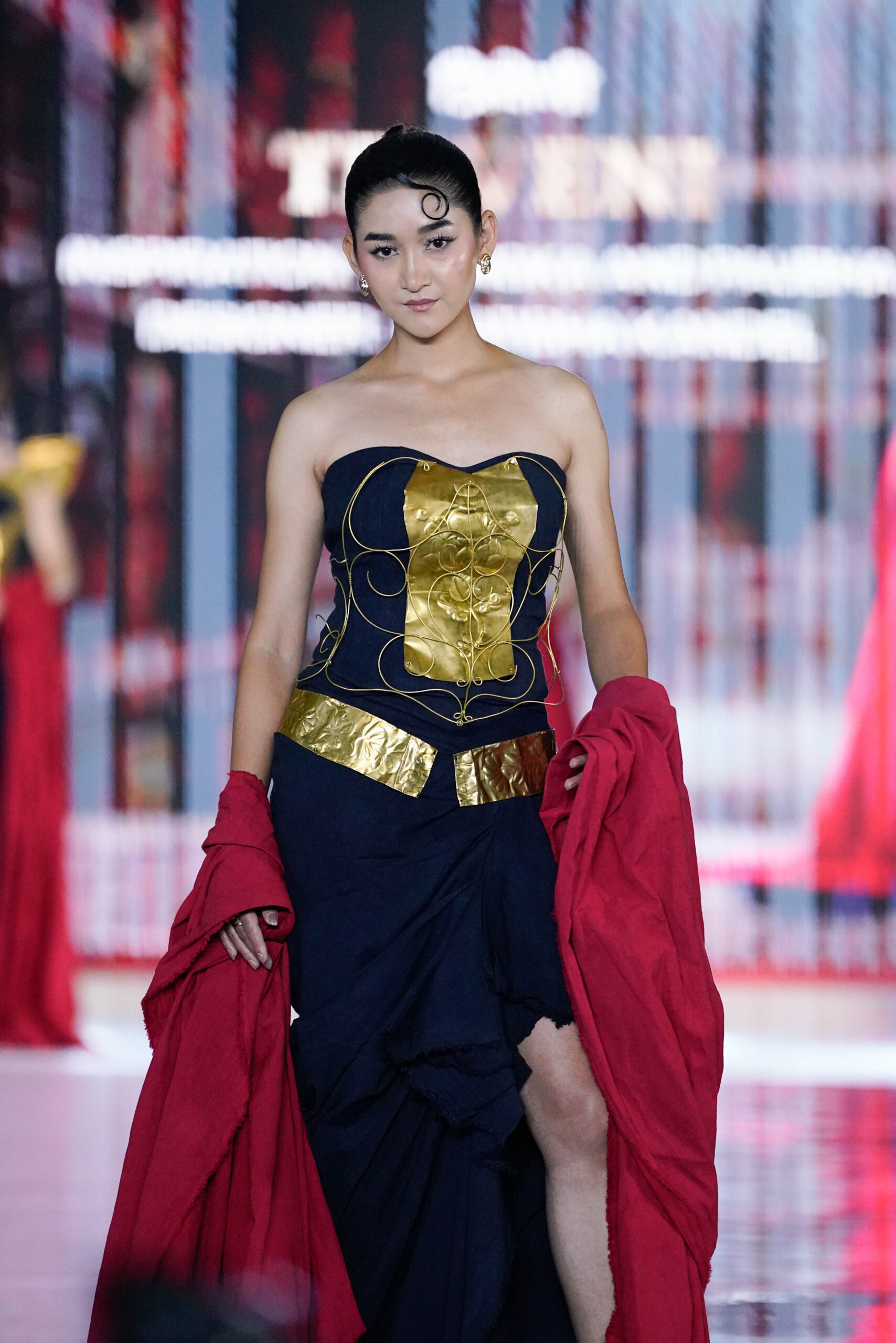
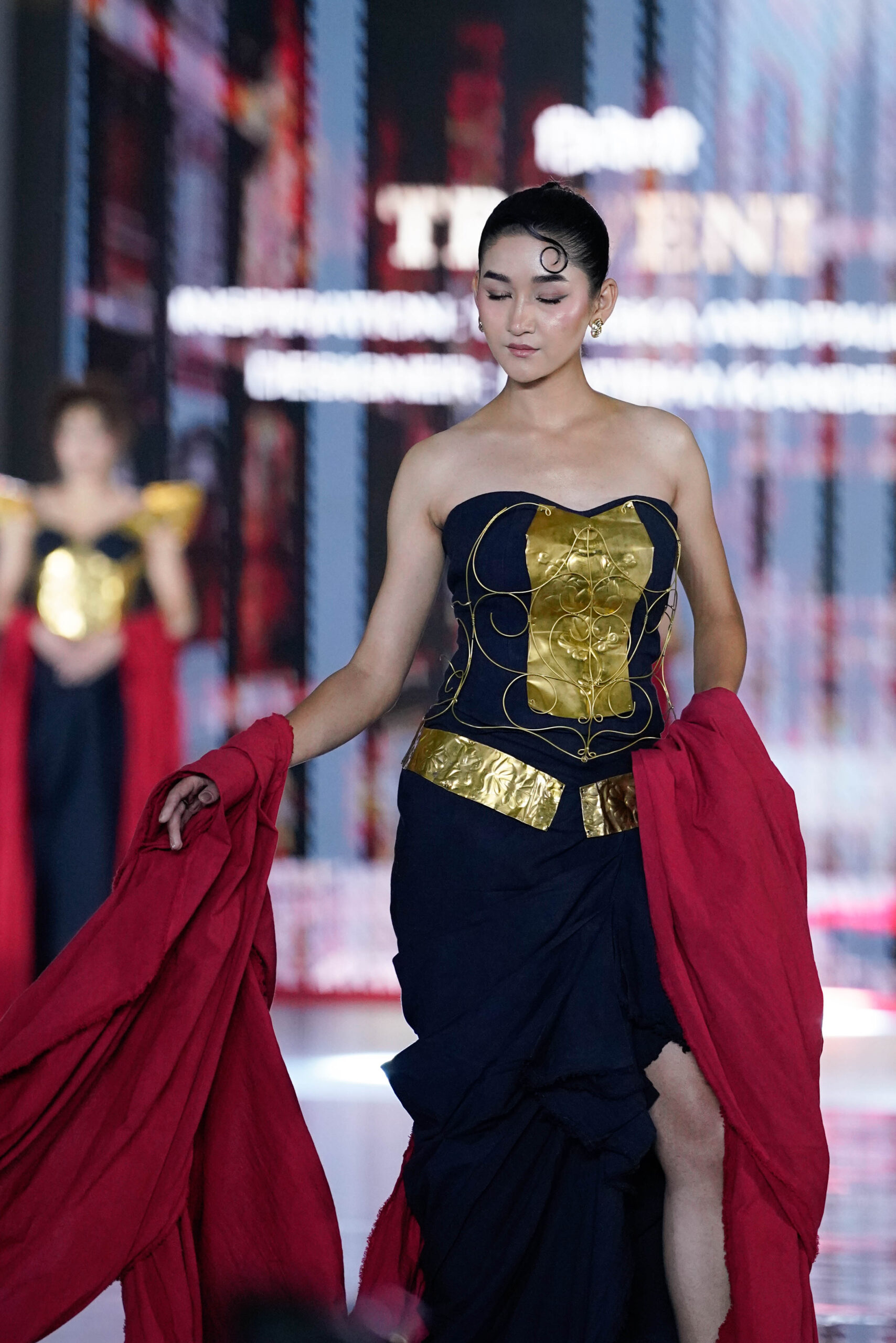
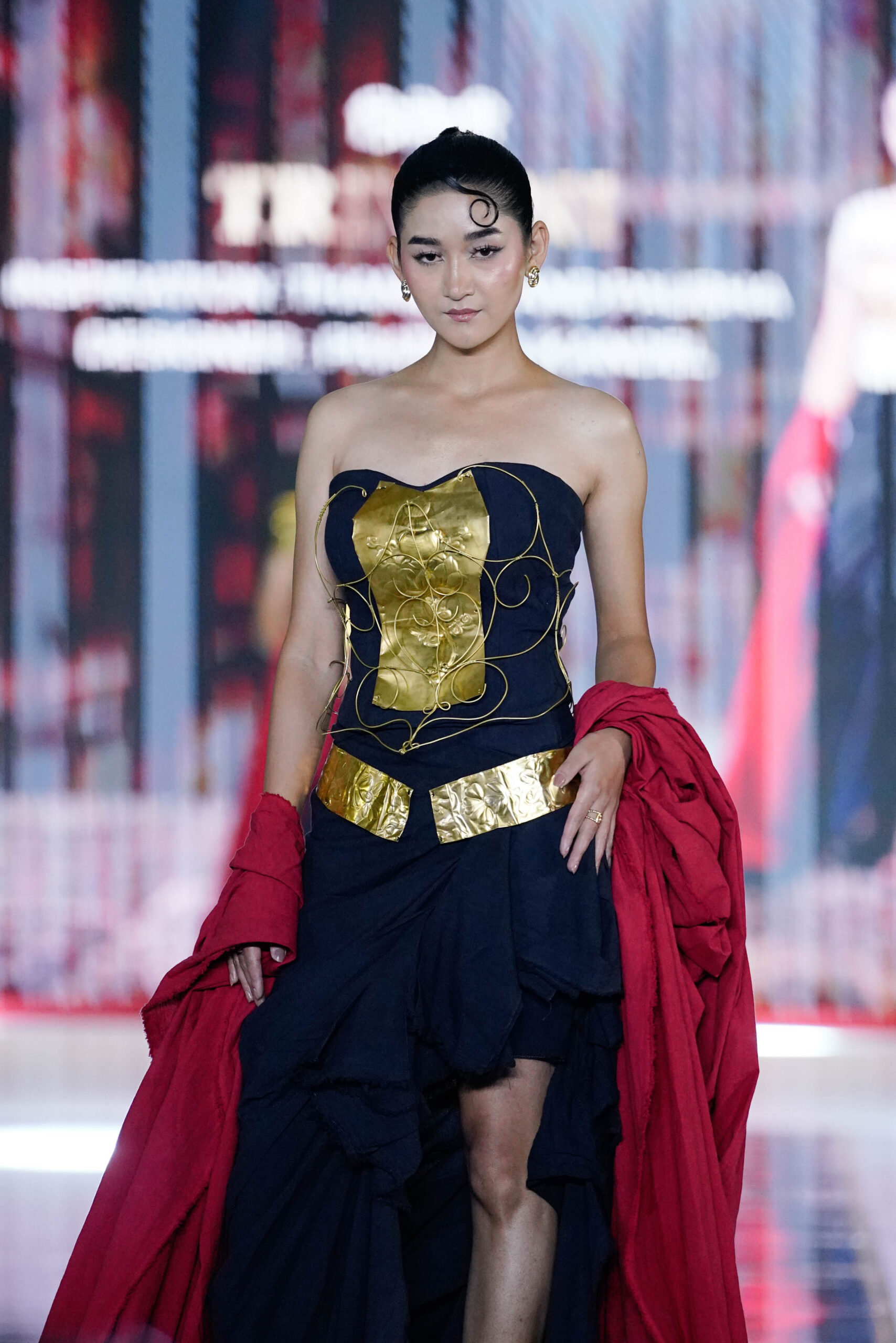
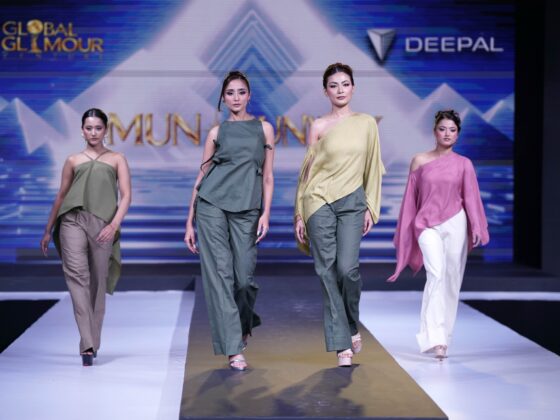
Nepali heritage meets contemporary couture as 54 graduating designers explore traditional craftsmanship, sustainable materials and futuristic fashion through six collections.
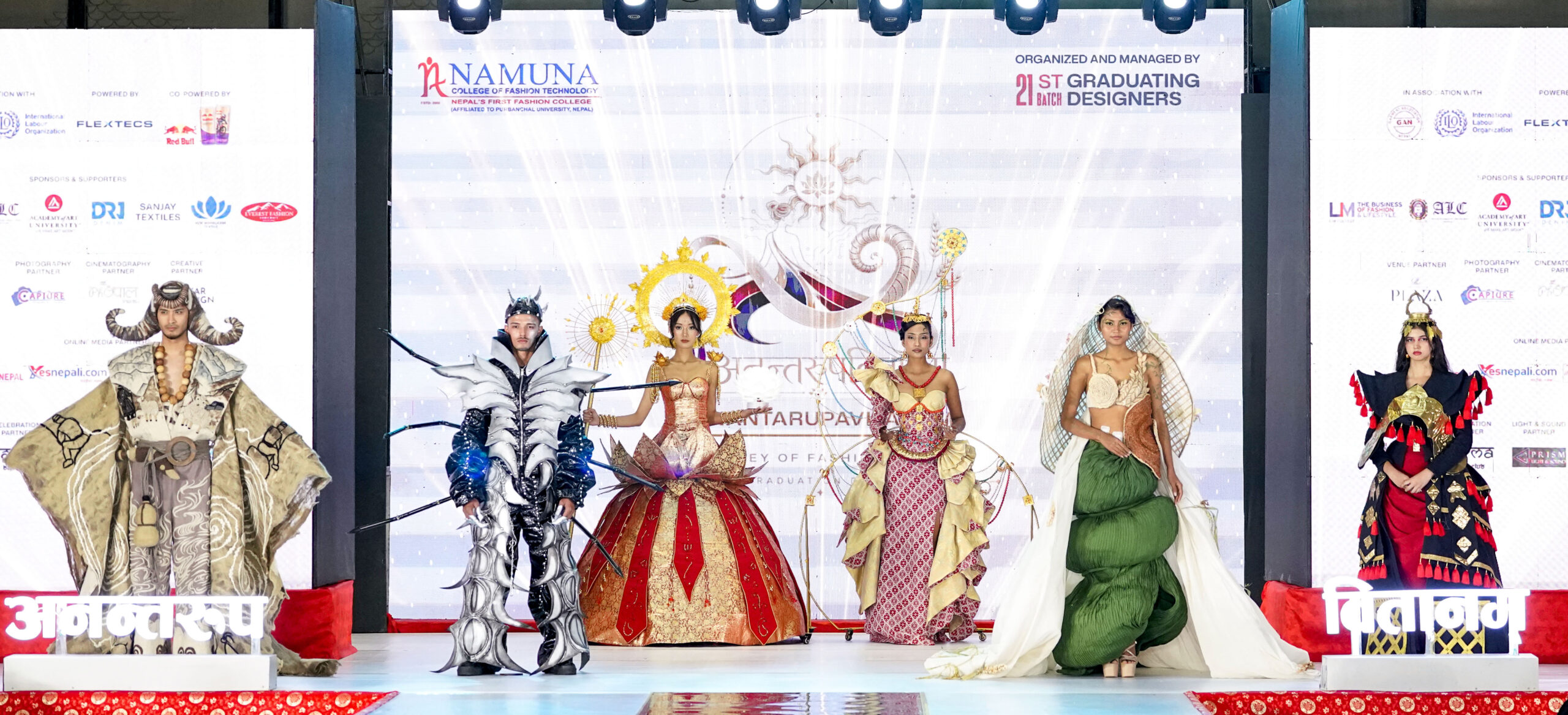
Nepal’s cultural identity became the inspiration for a contemporary fashion narrative at Namuna College of Fashion Technology (NCFT)’s 21st graduation fashion show, Anantarūpavitānam, held on October 10 at The Plaza, Pulchowk, Lalitpur.
Under the theme “Cosmic Threads of Heritage: Nepal Beyond Time and Universe,” the showcase brought together 54 graduating designers and 54 original creations across six collections. From traditional art and indigenous jewellery to Himalayan nomadic life, feminine power and artificial intelligence, the runway explored new ways to interpret Nepal’s heritage through fashion.
Heritage Dressing Gets a Couture Makeover
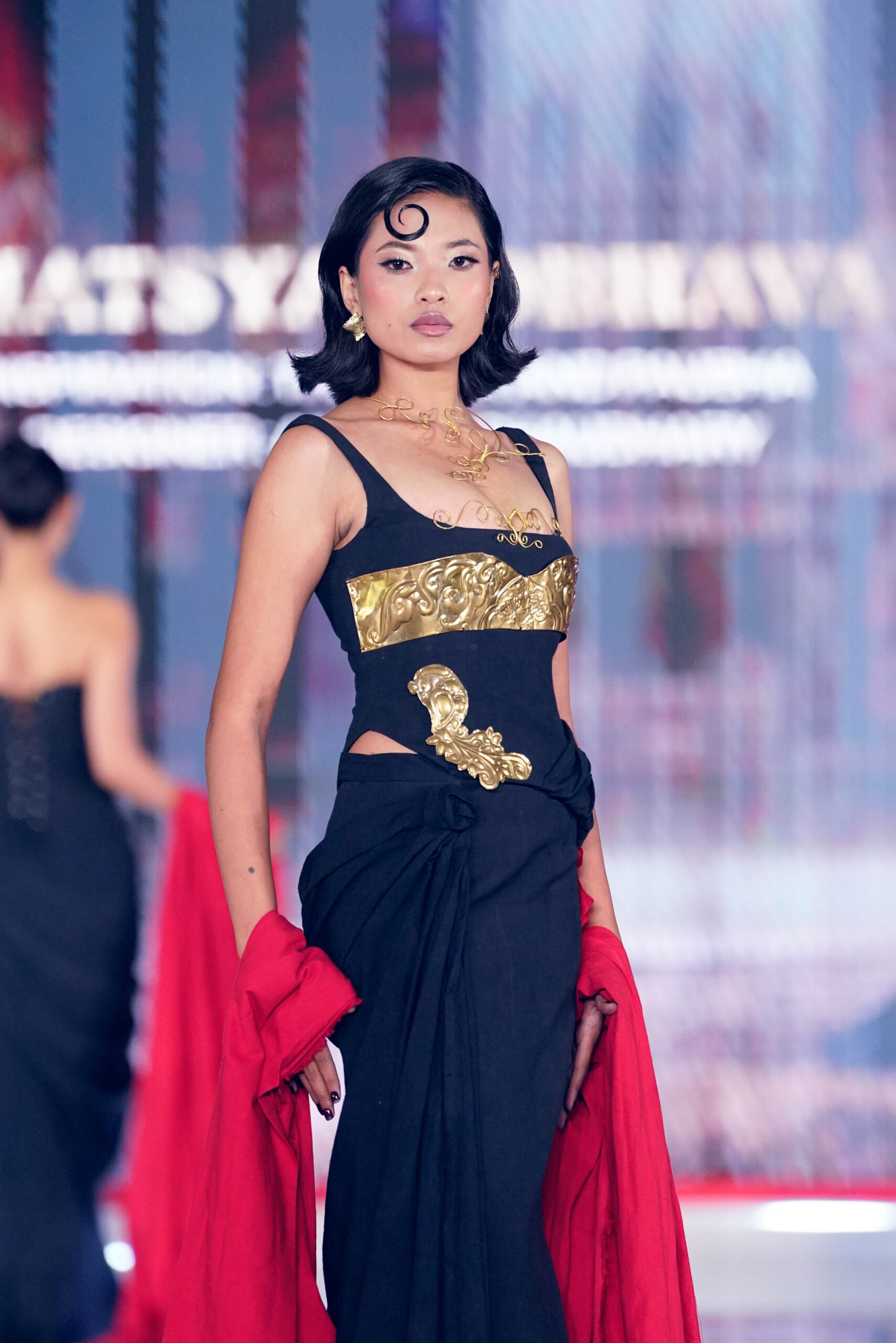
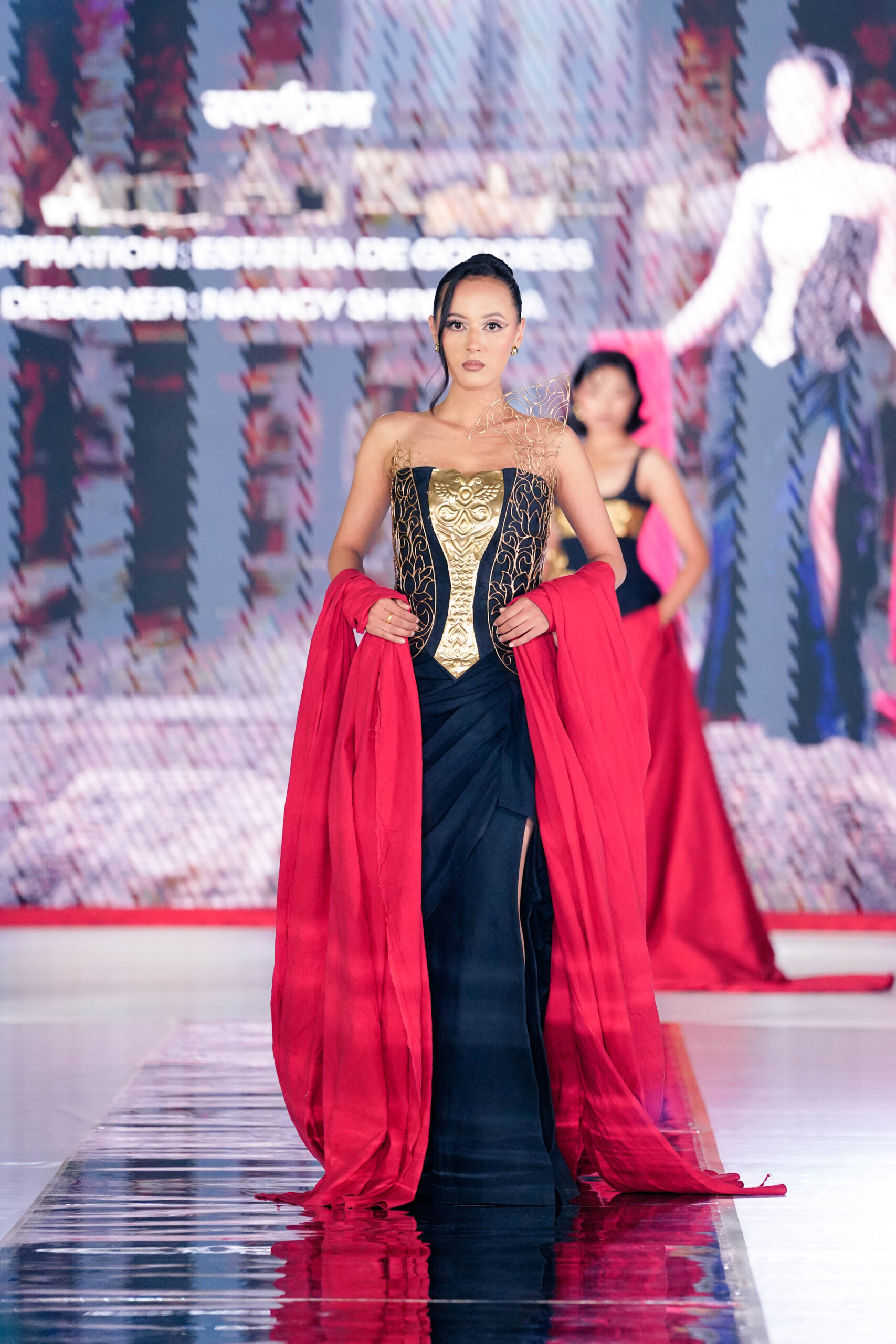
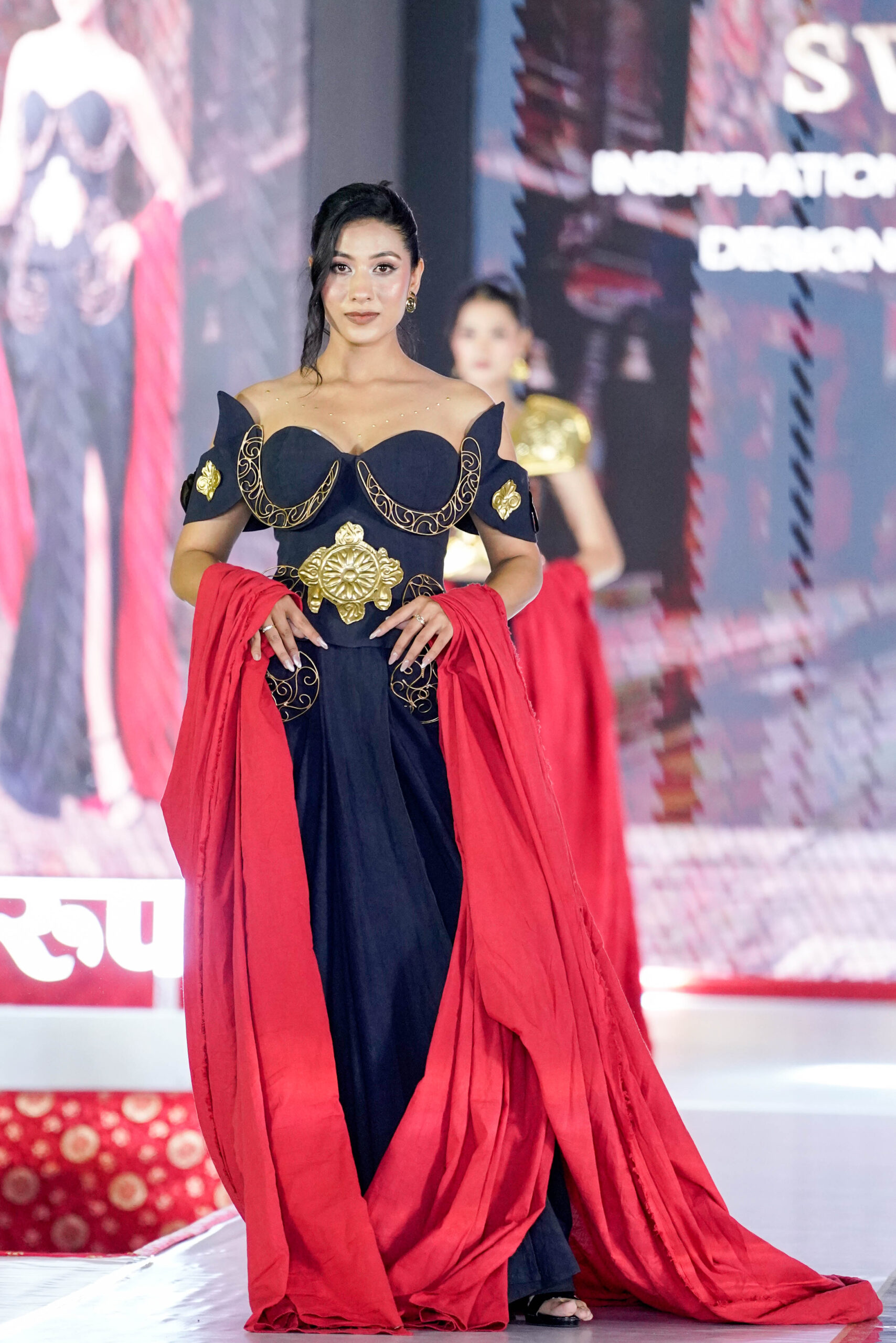
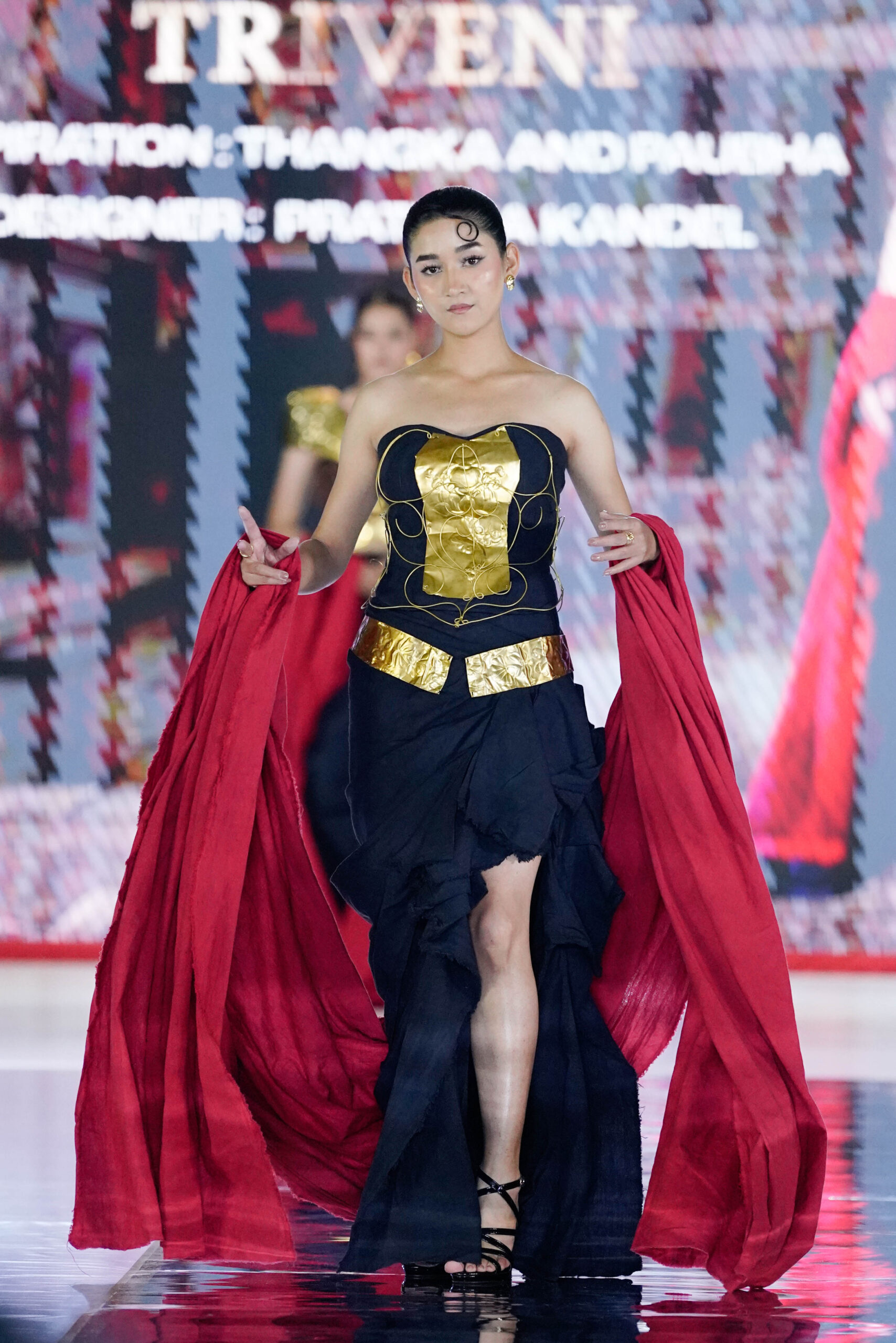
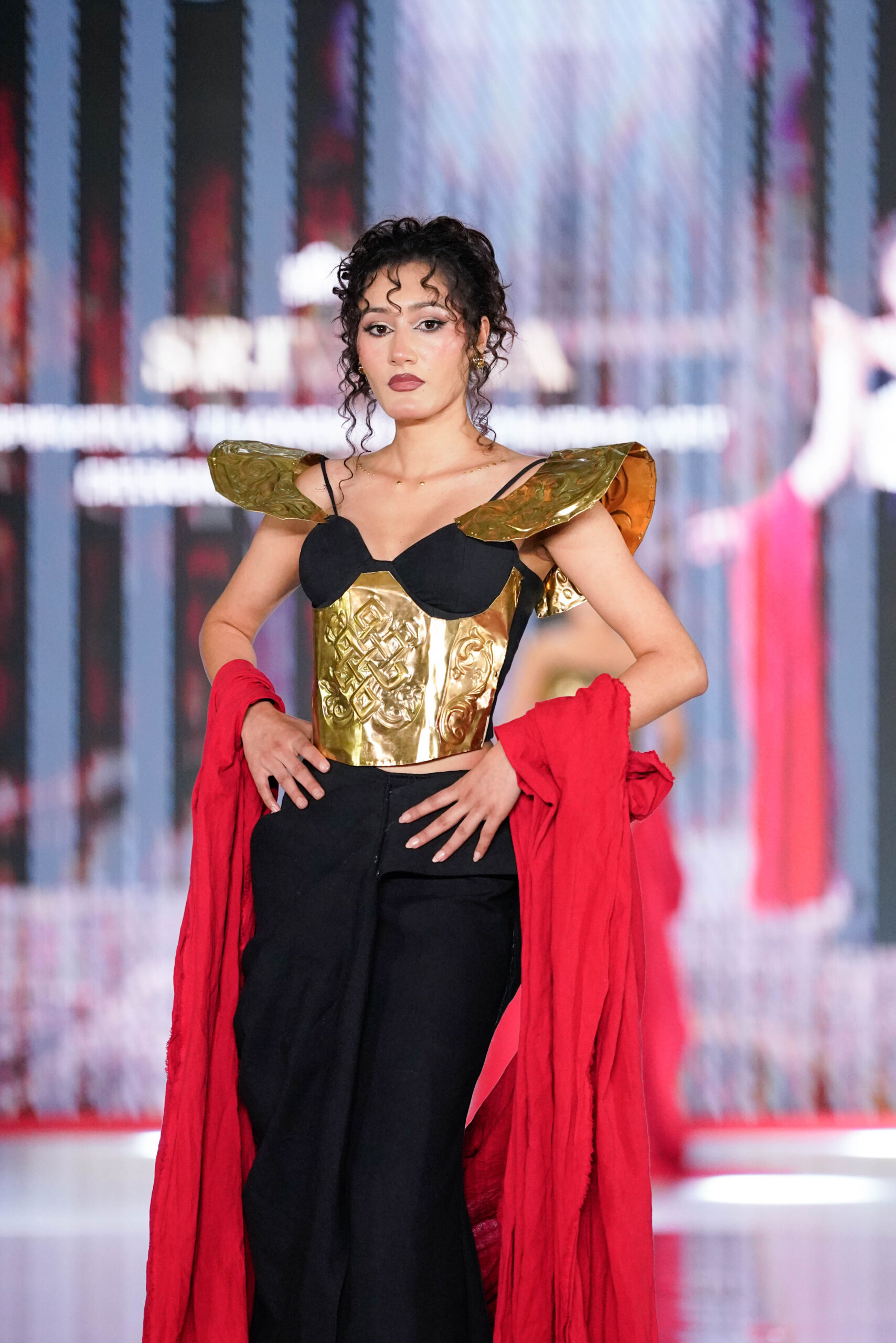
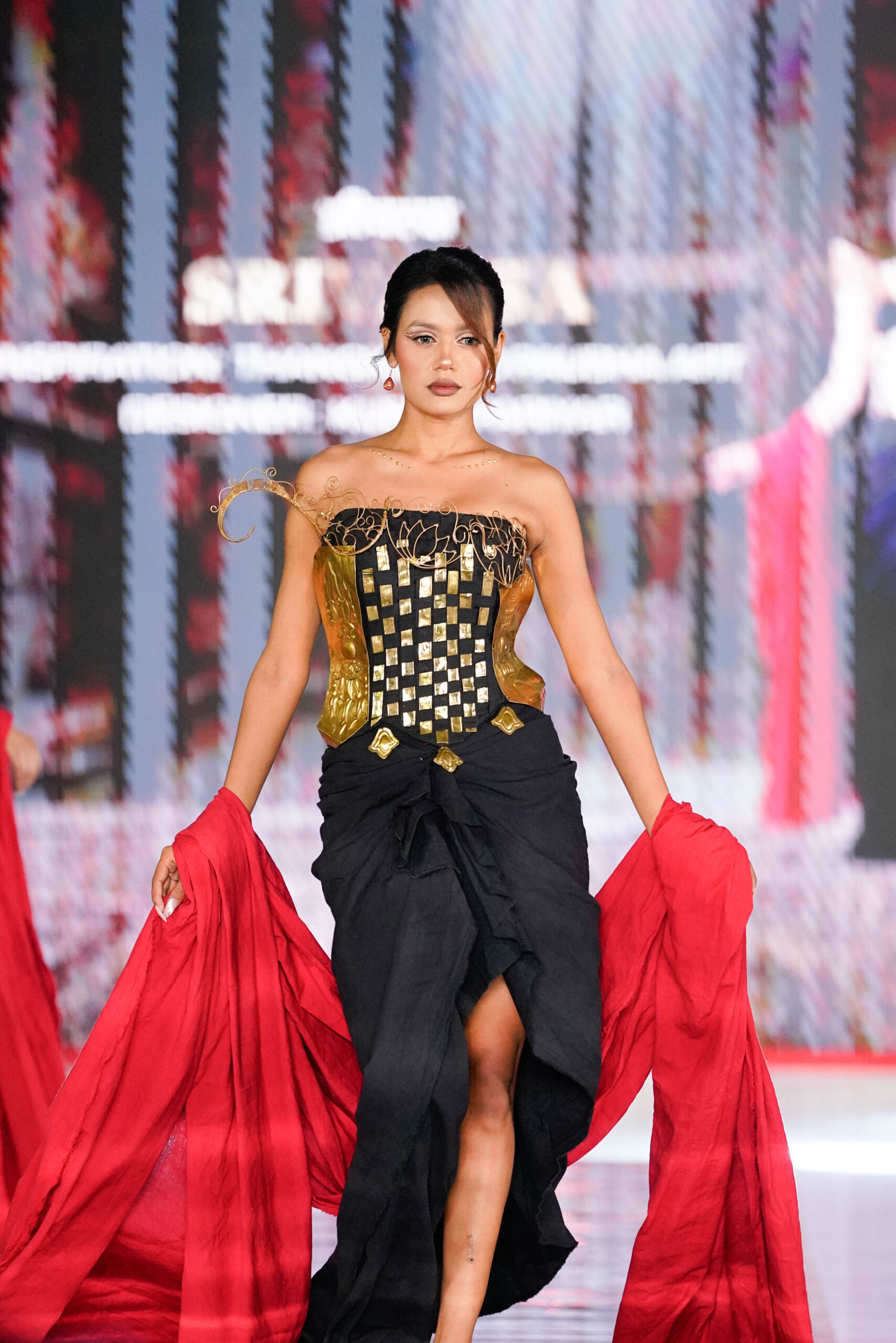
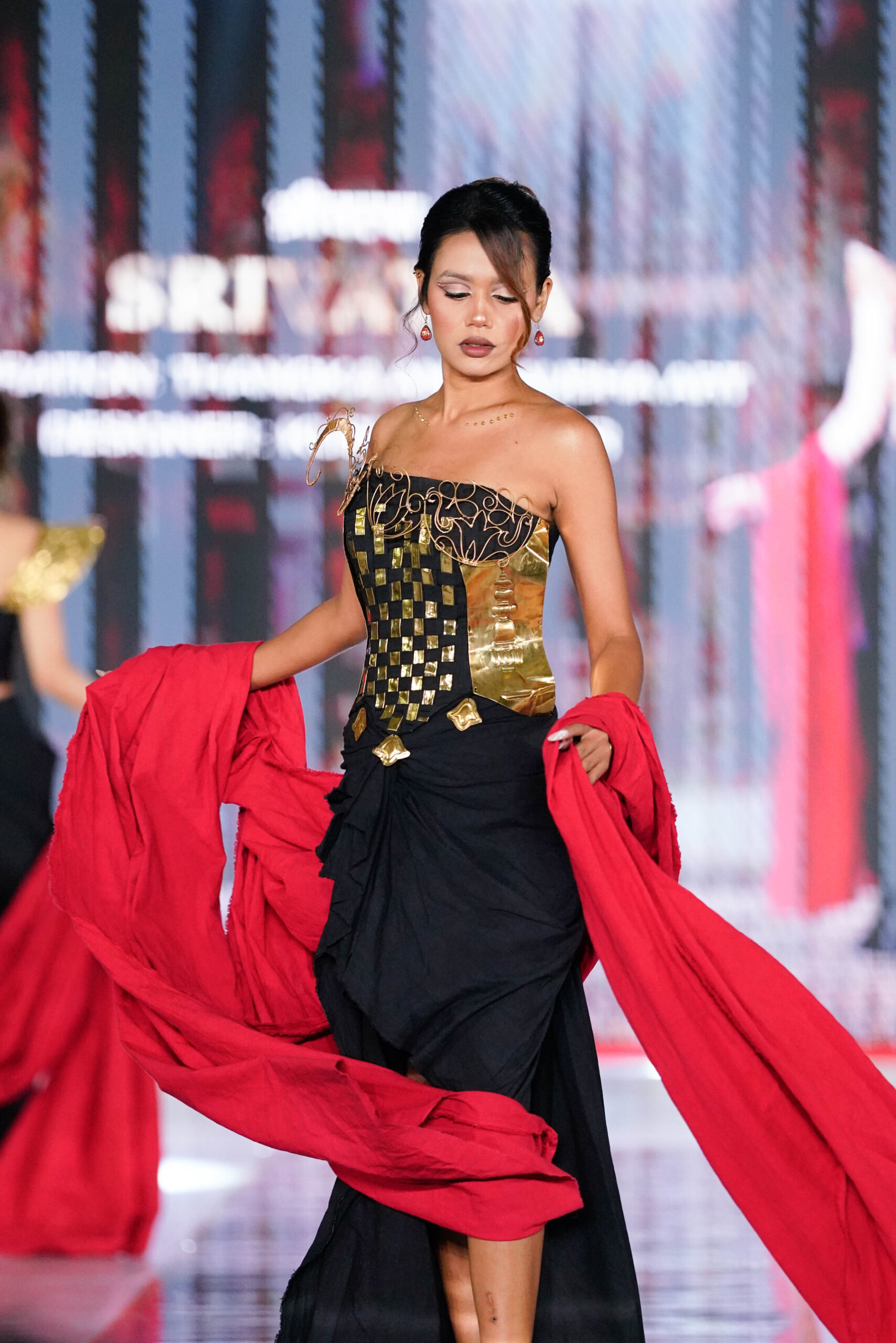
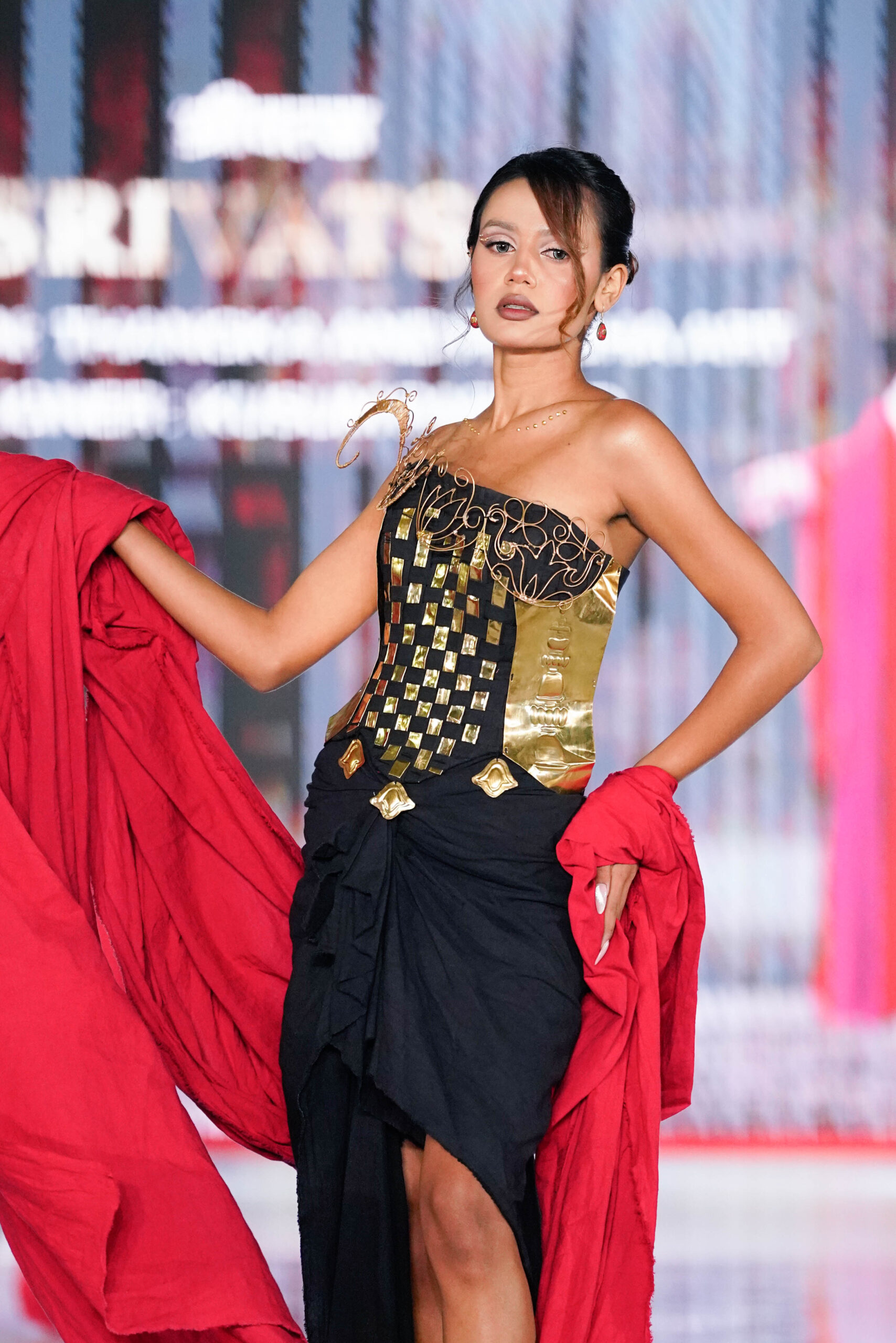
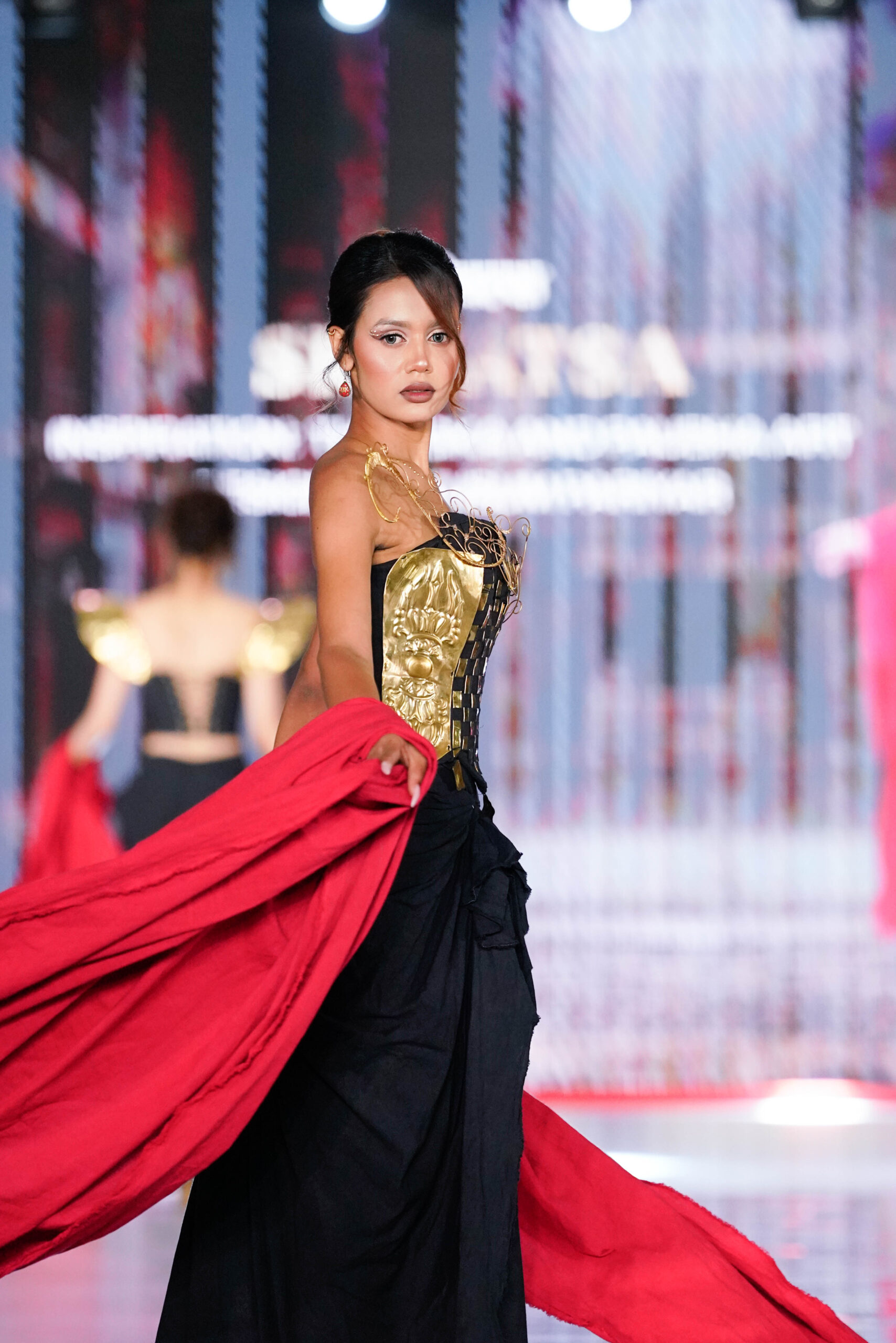
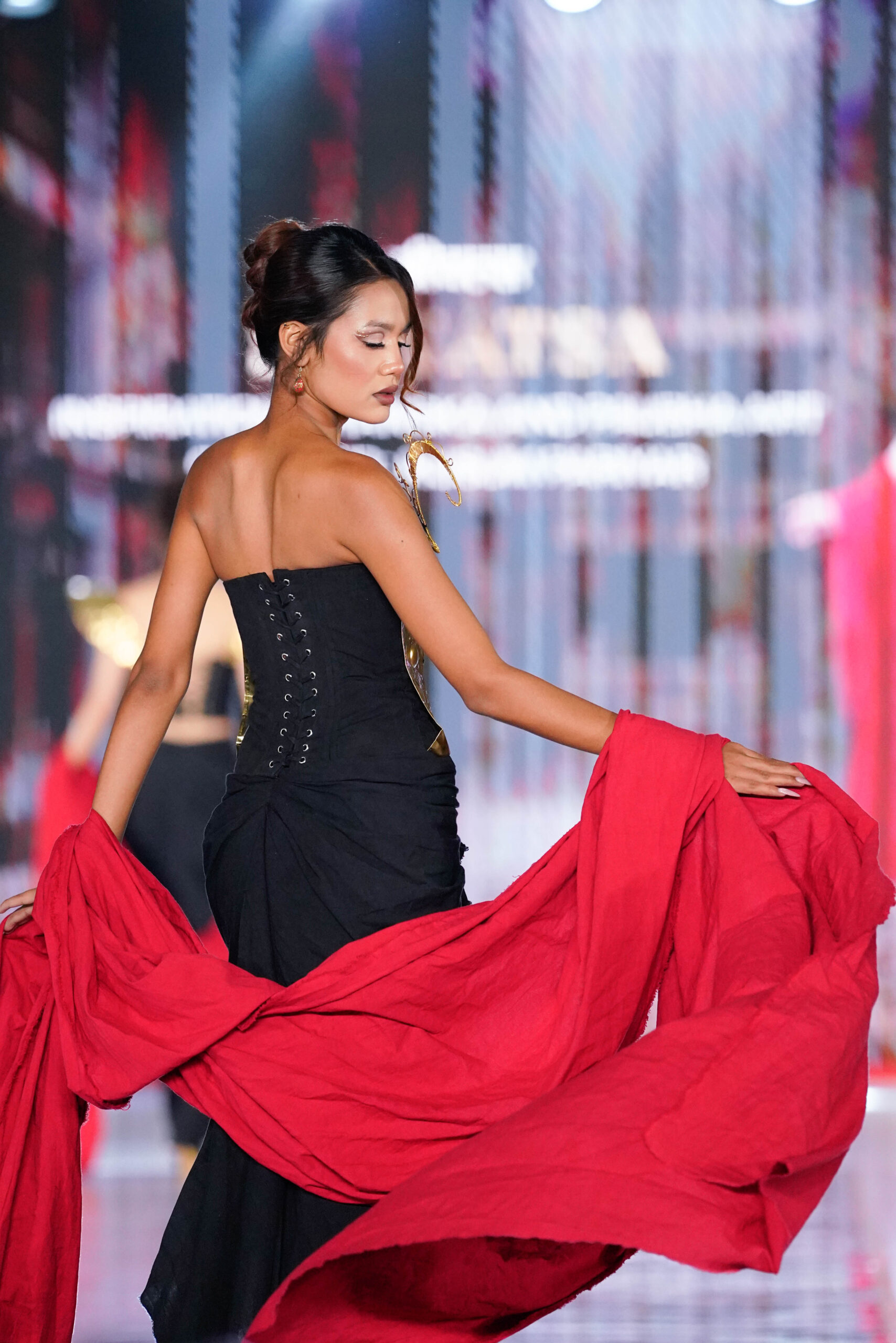
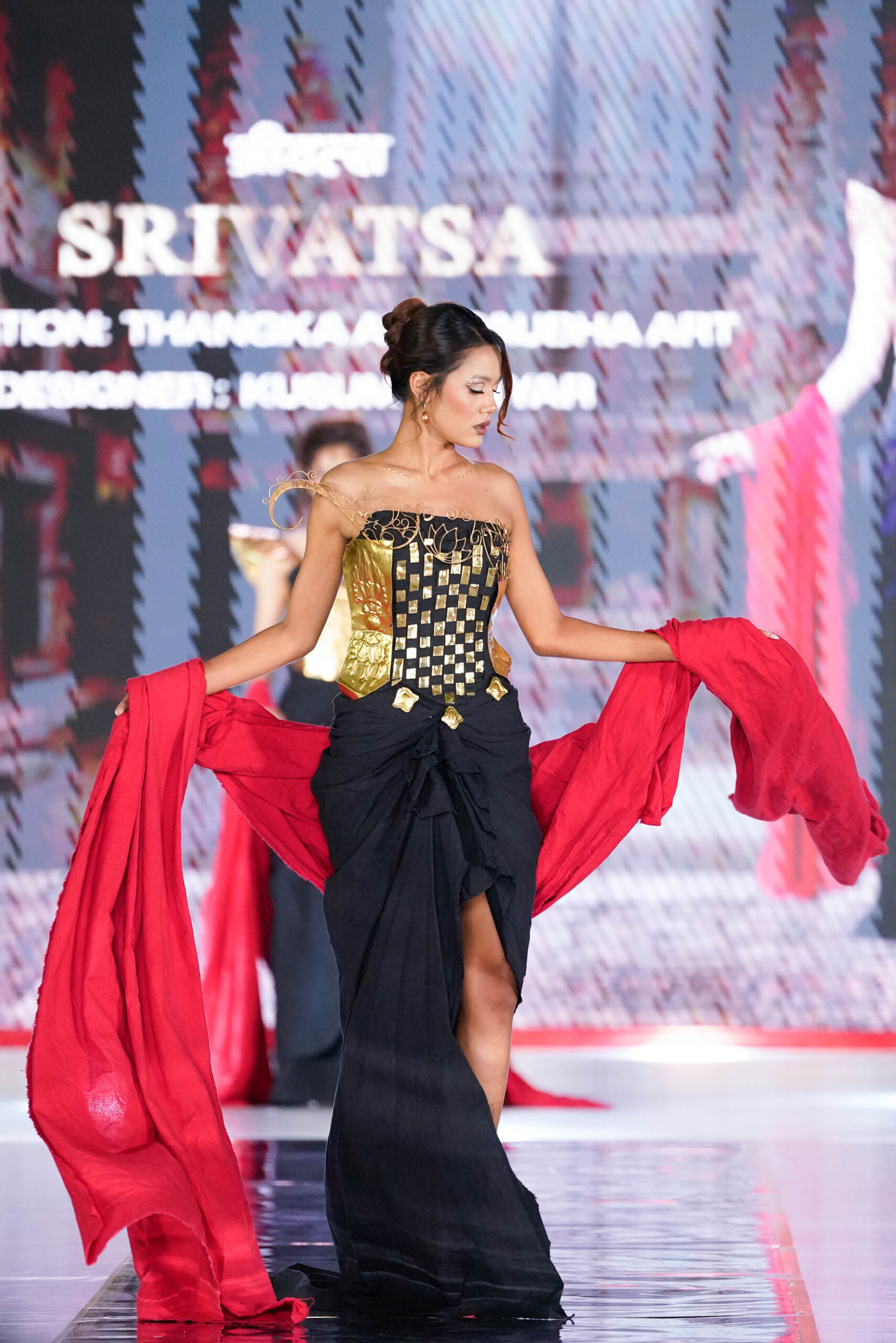
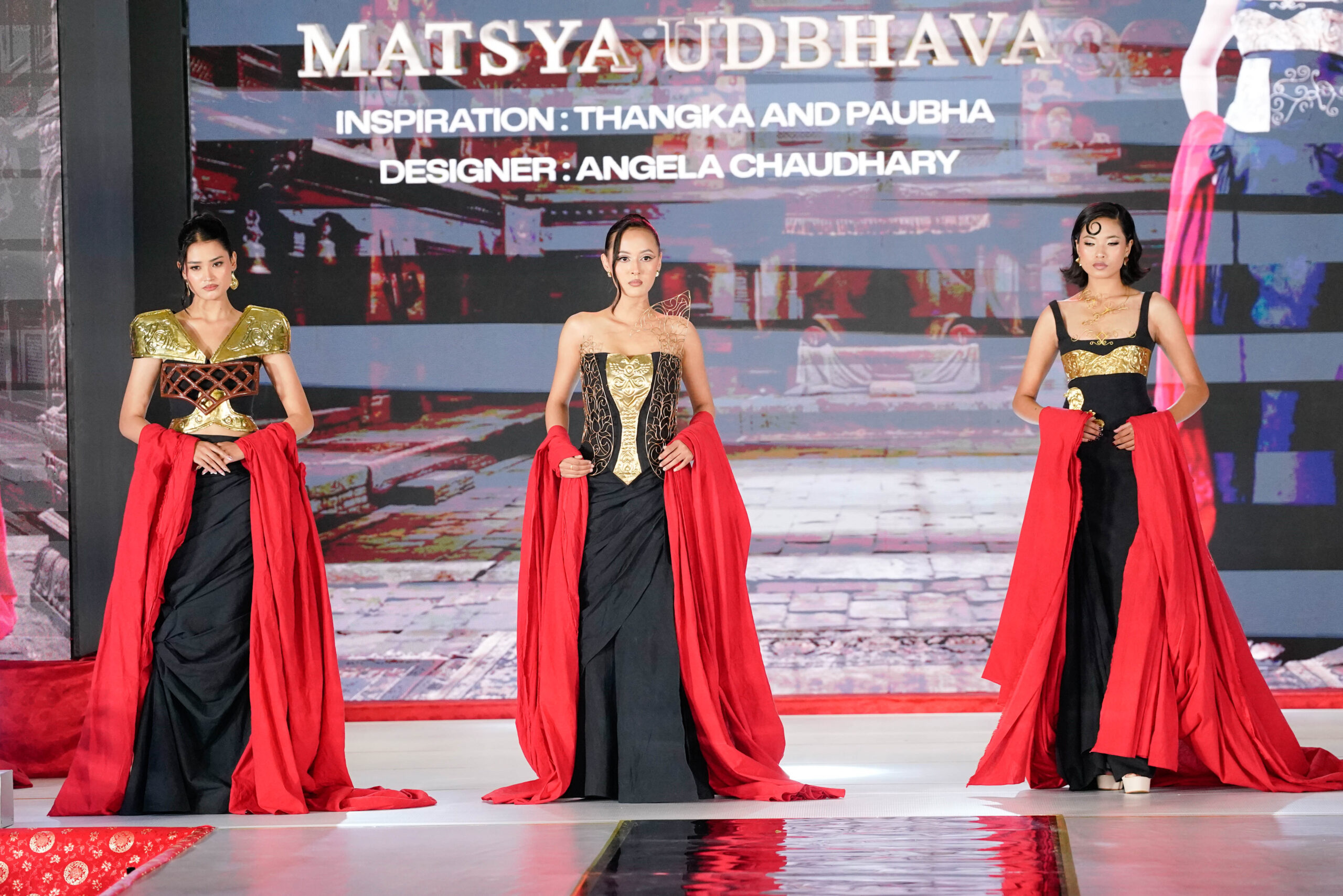
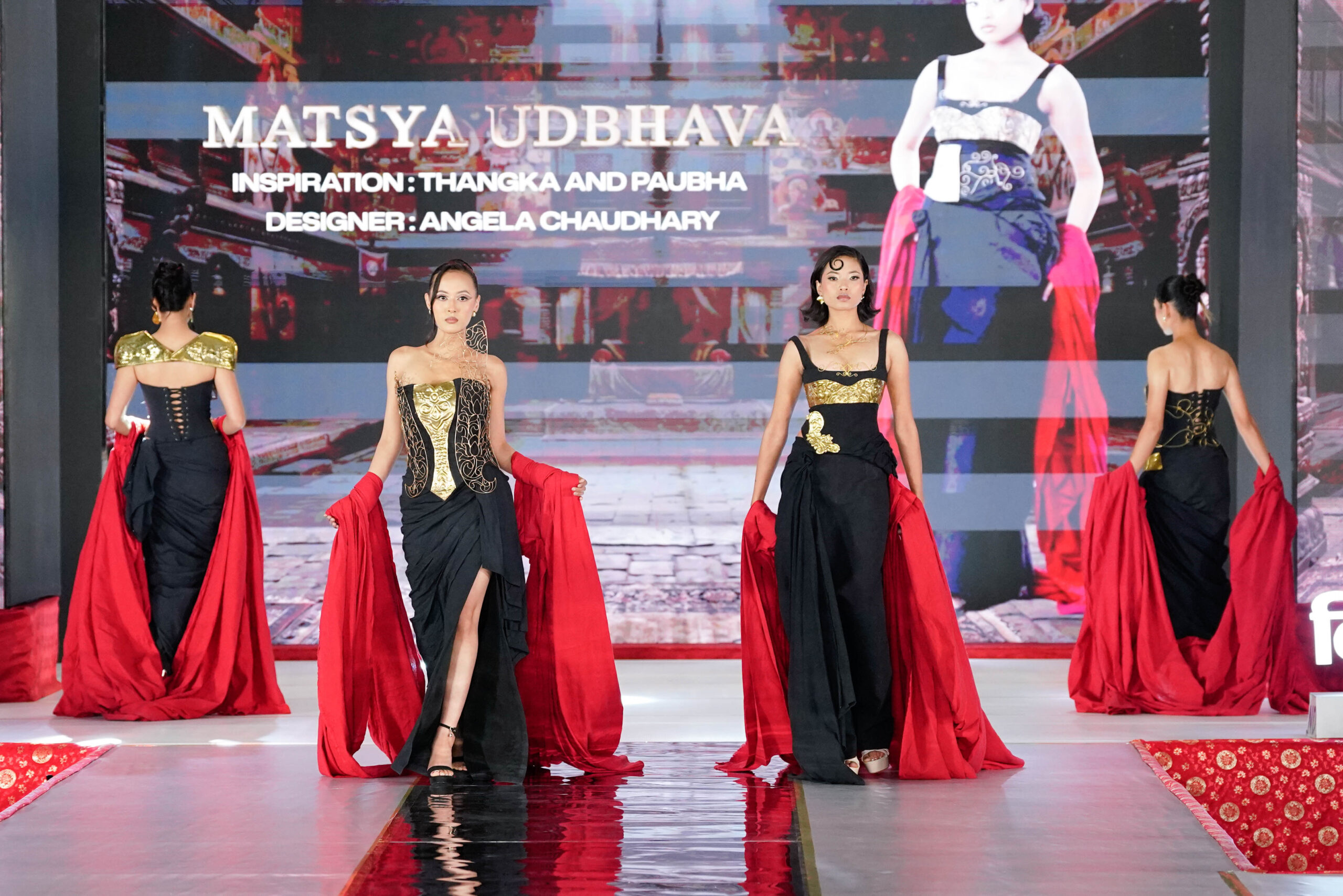
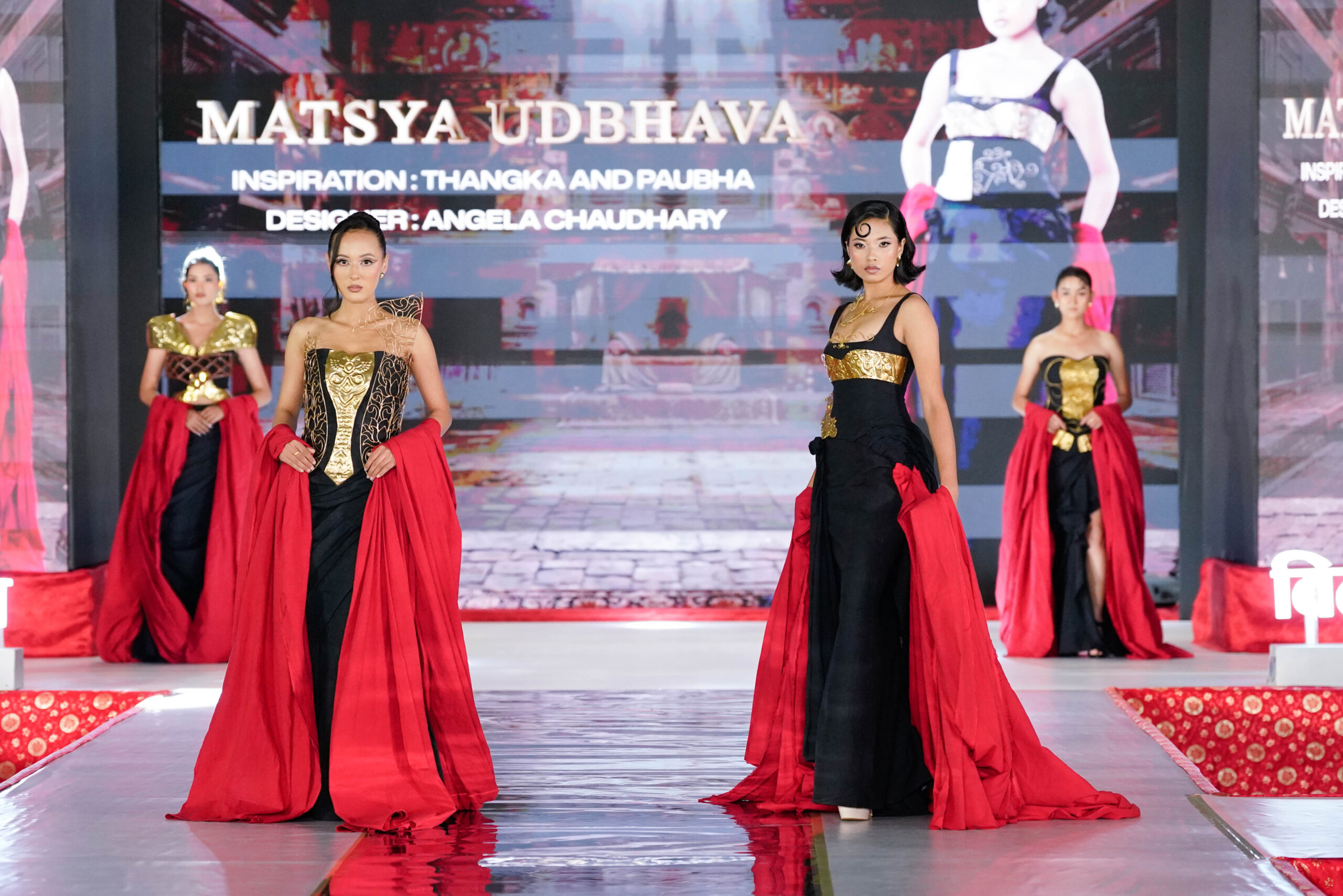
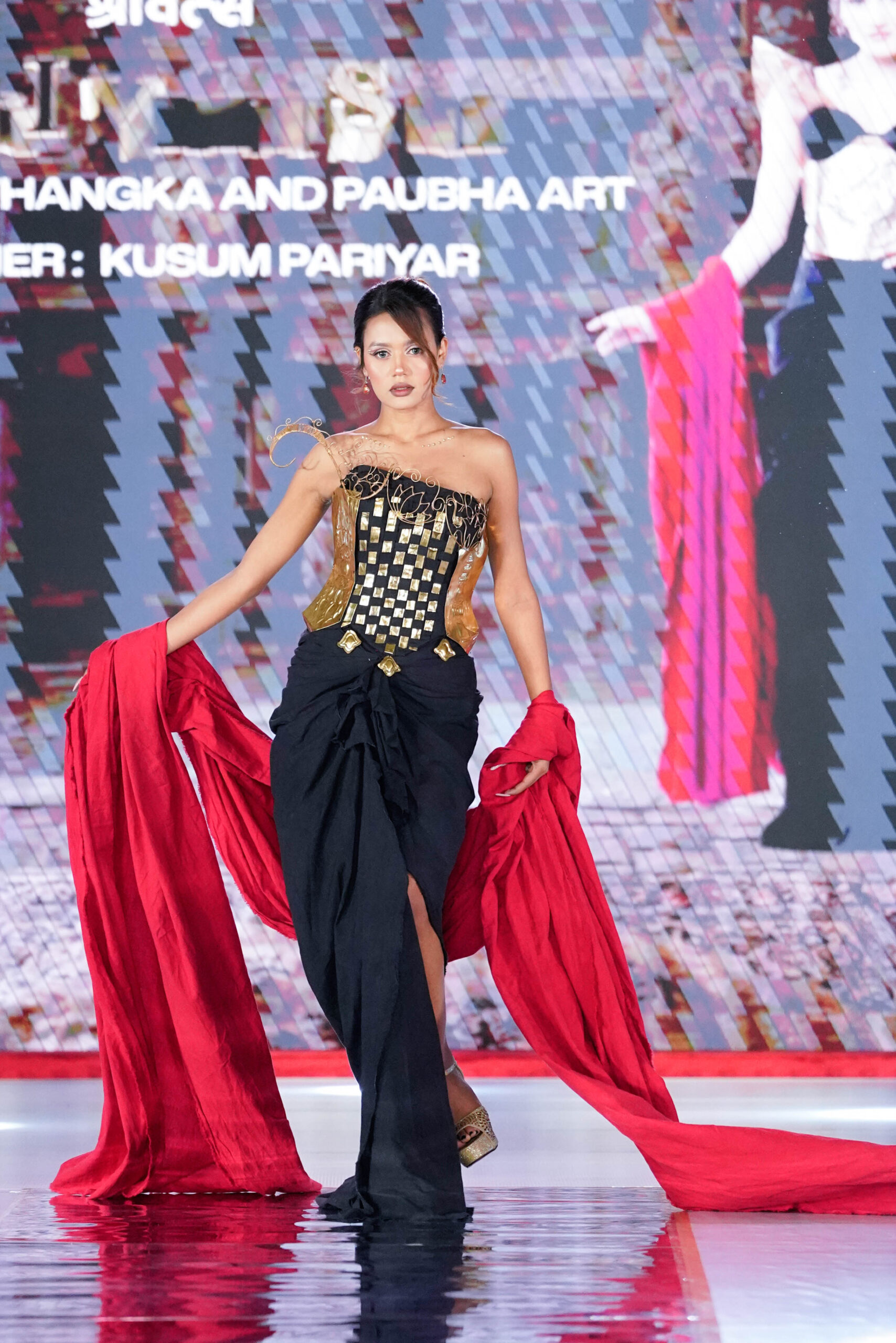
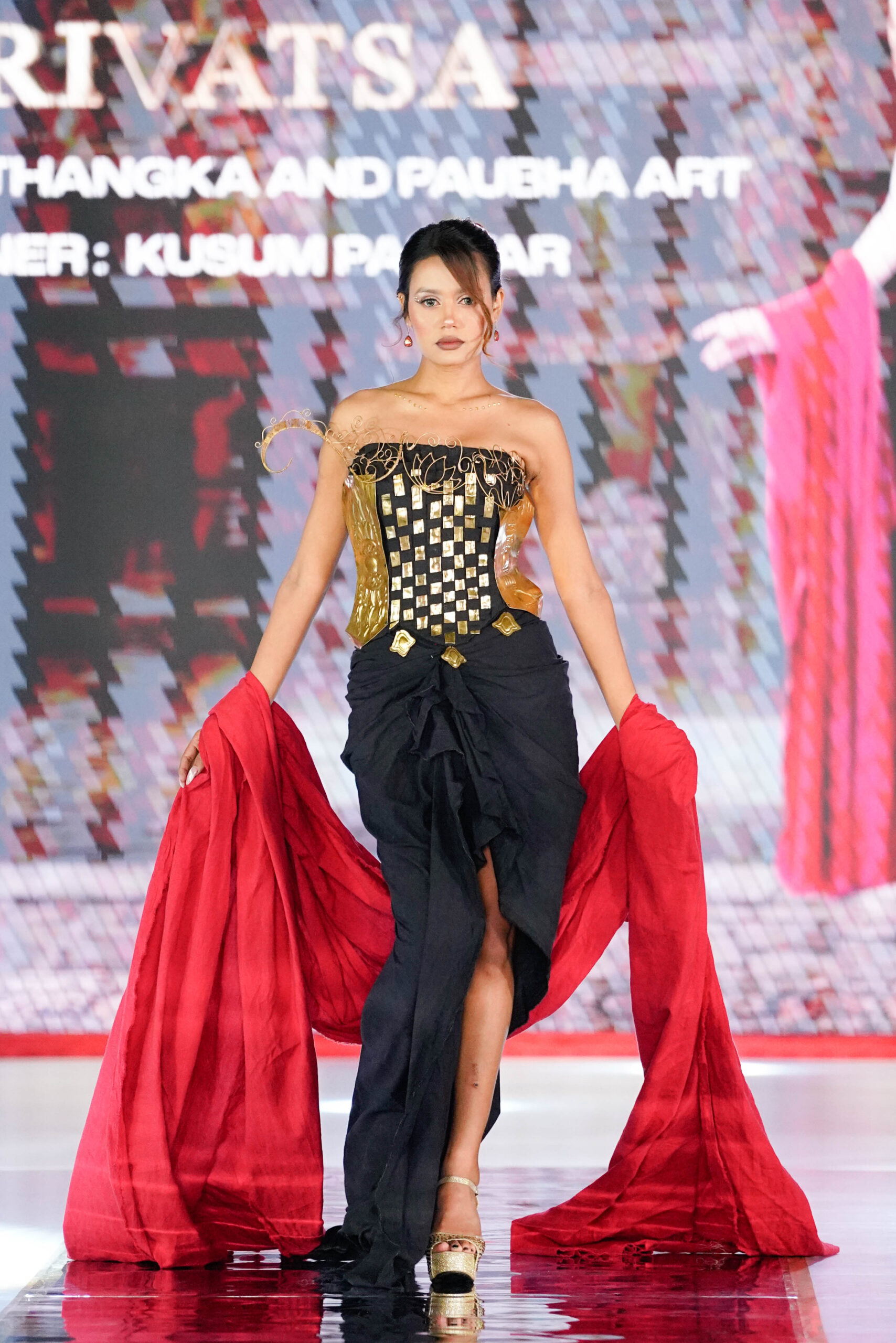
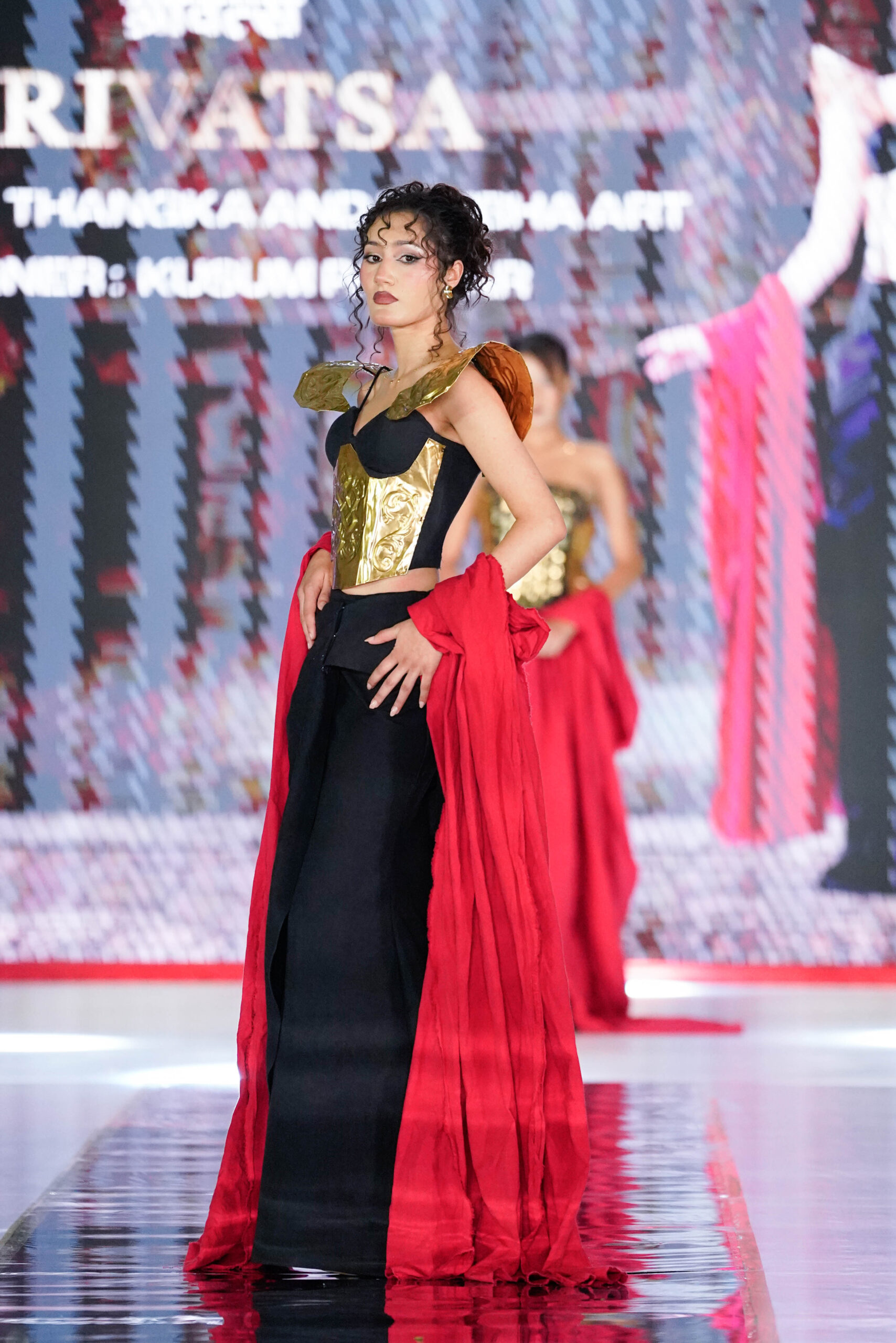
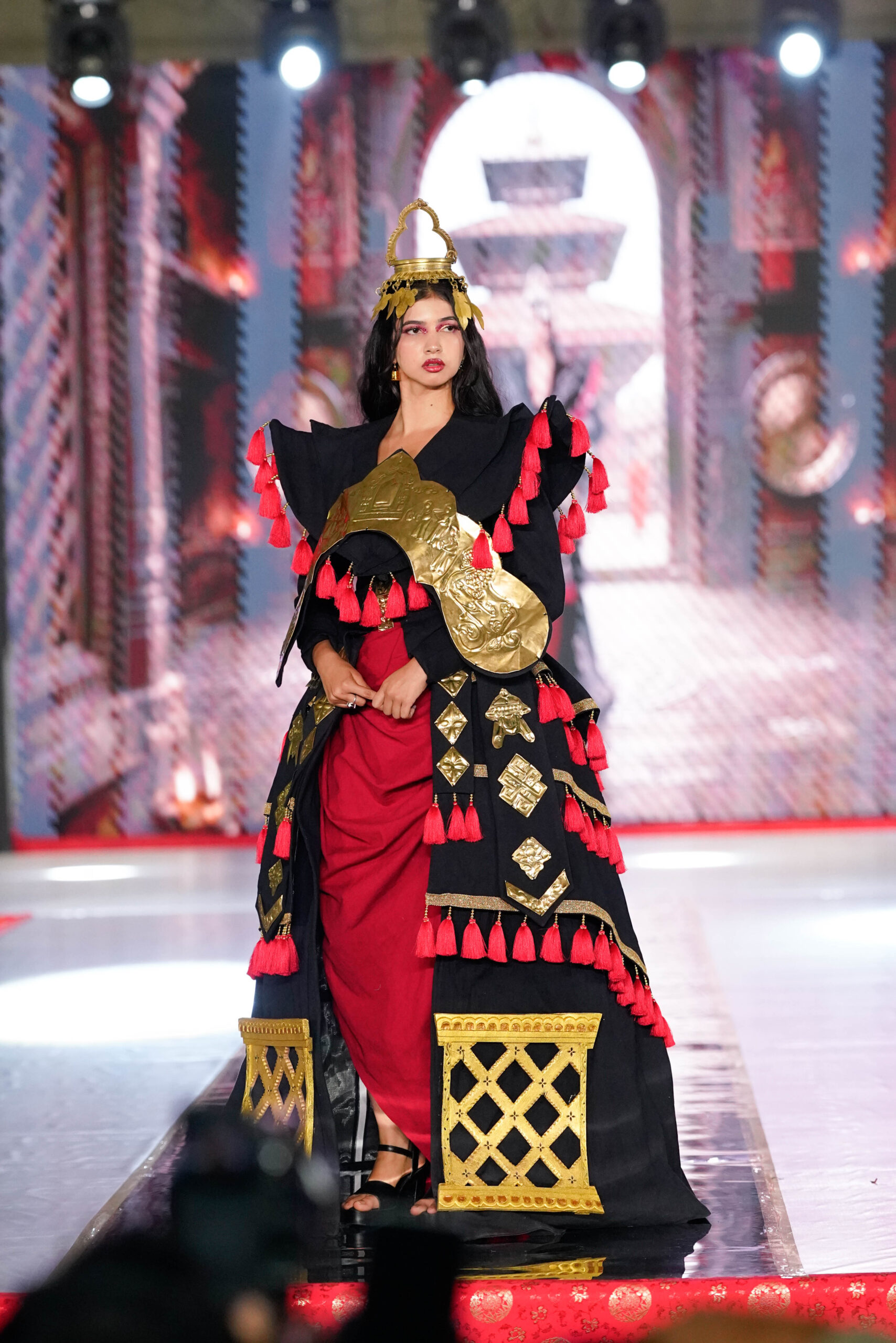
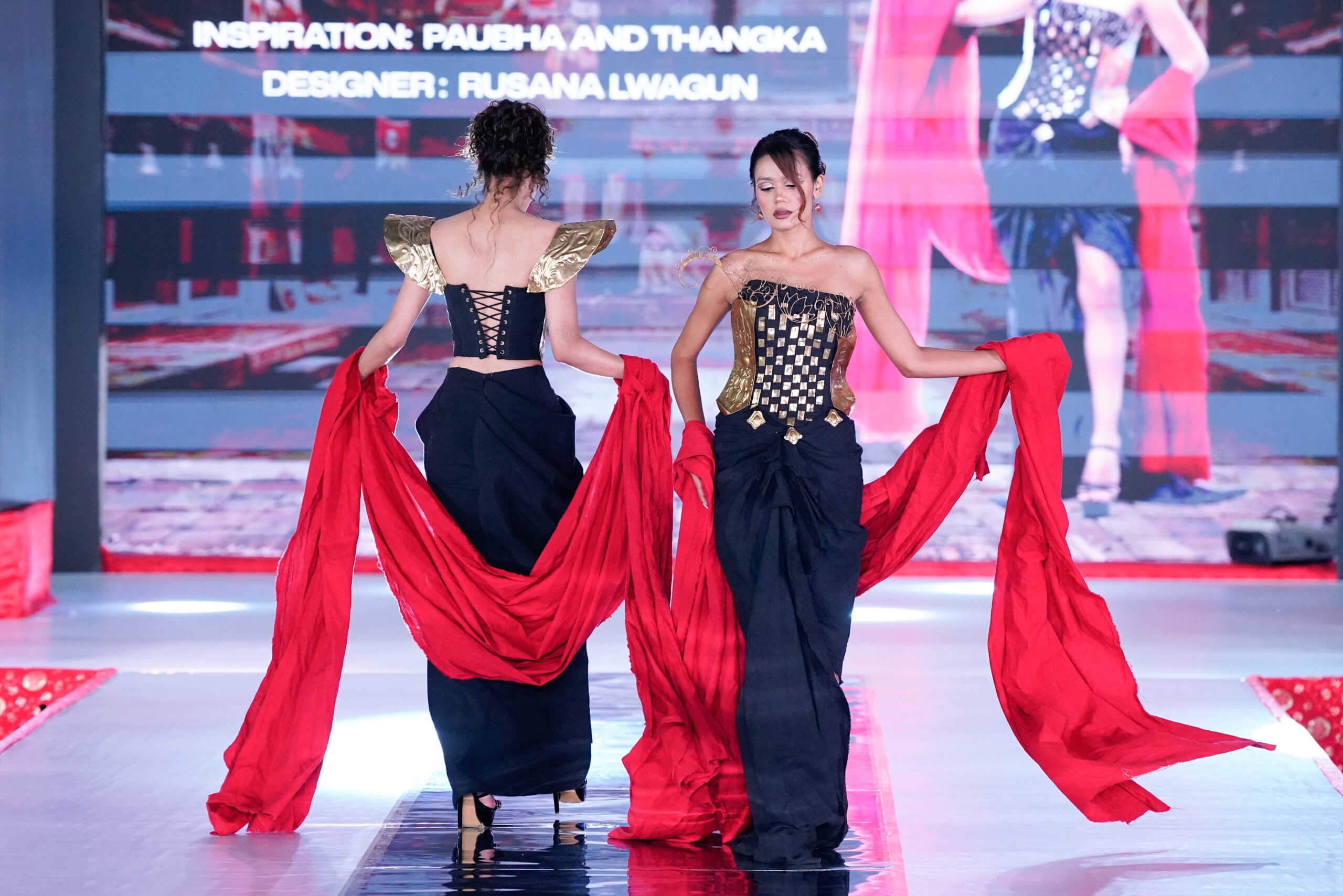
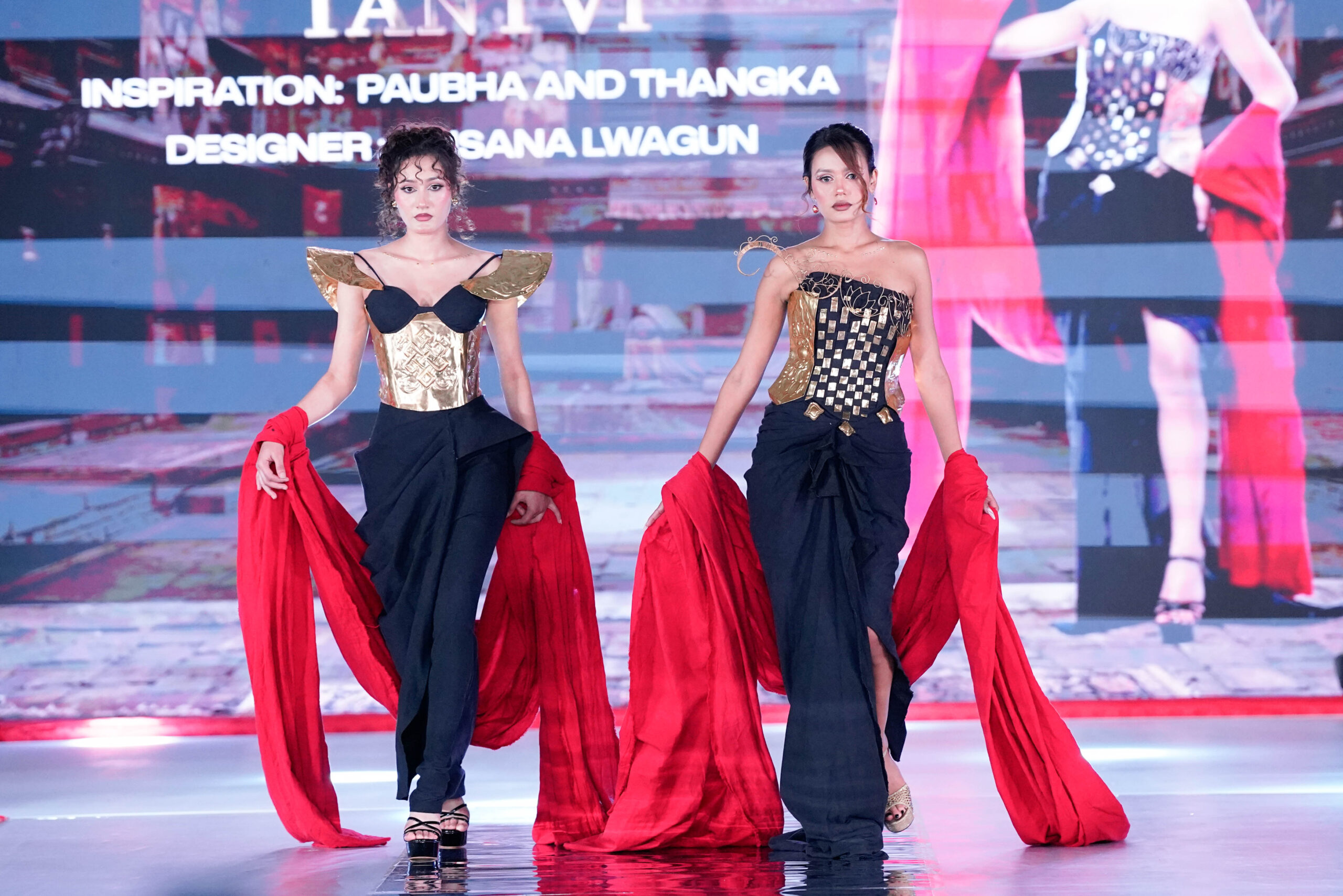
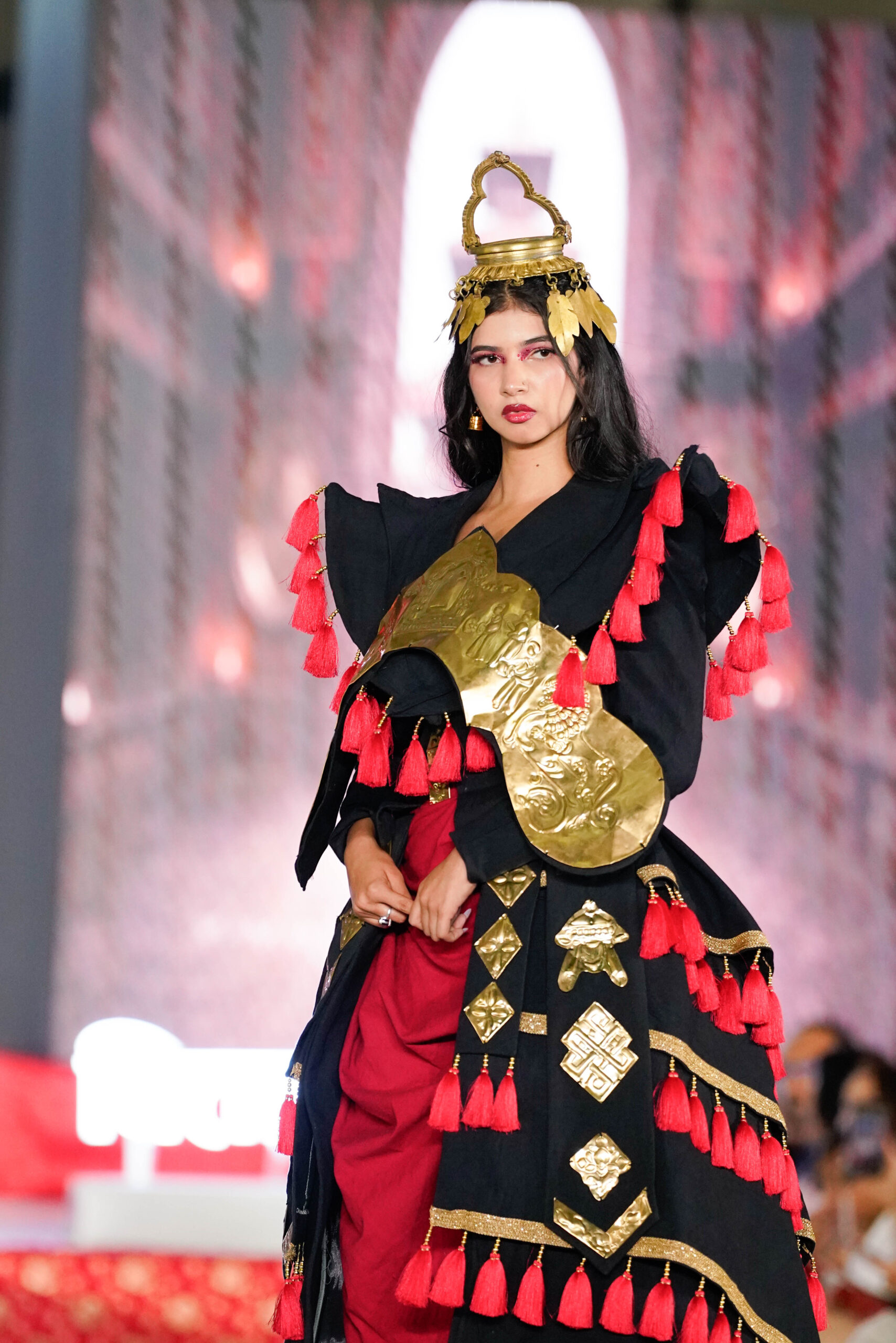
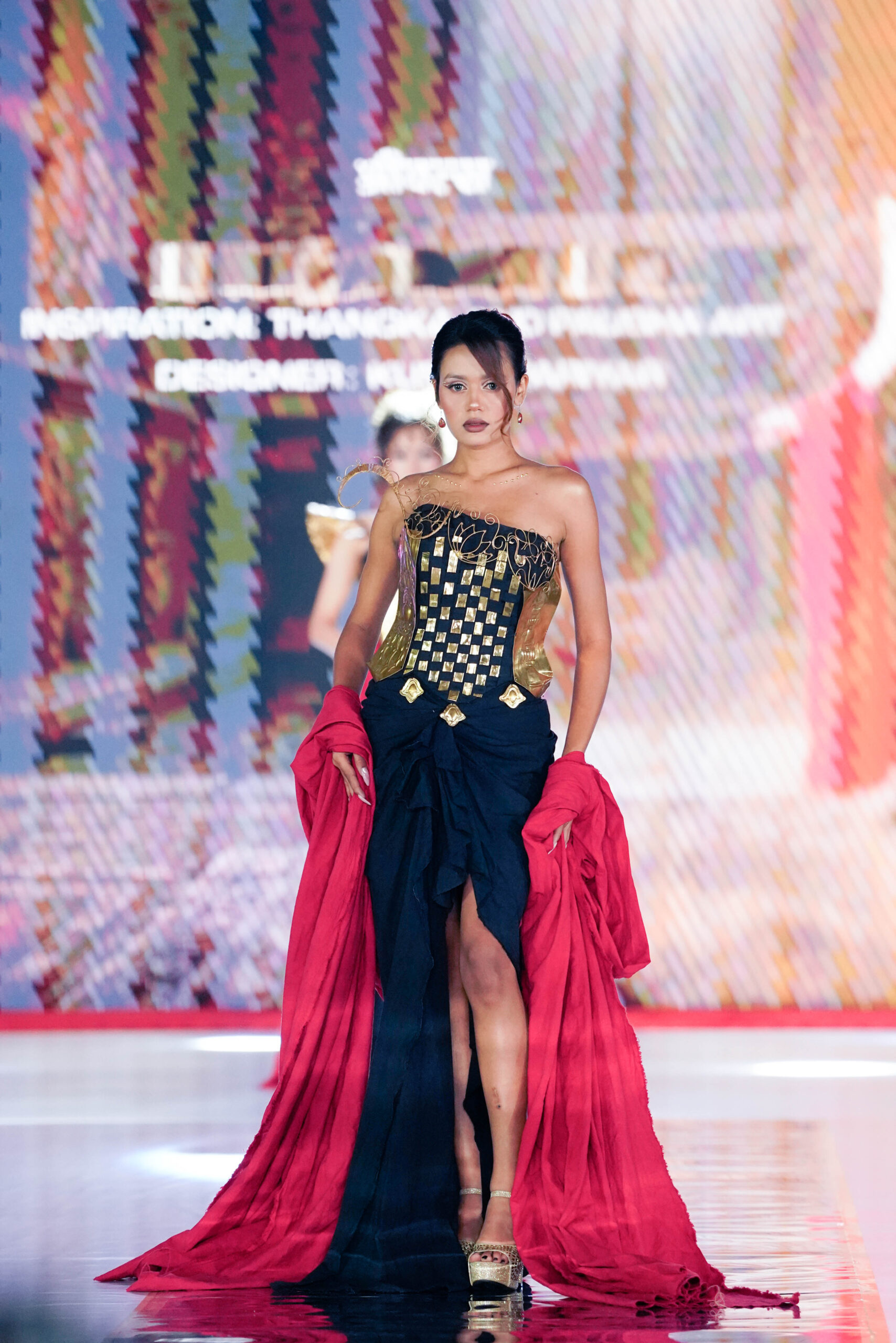
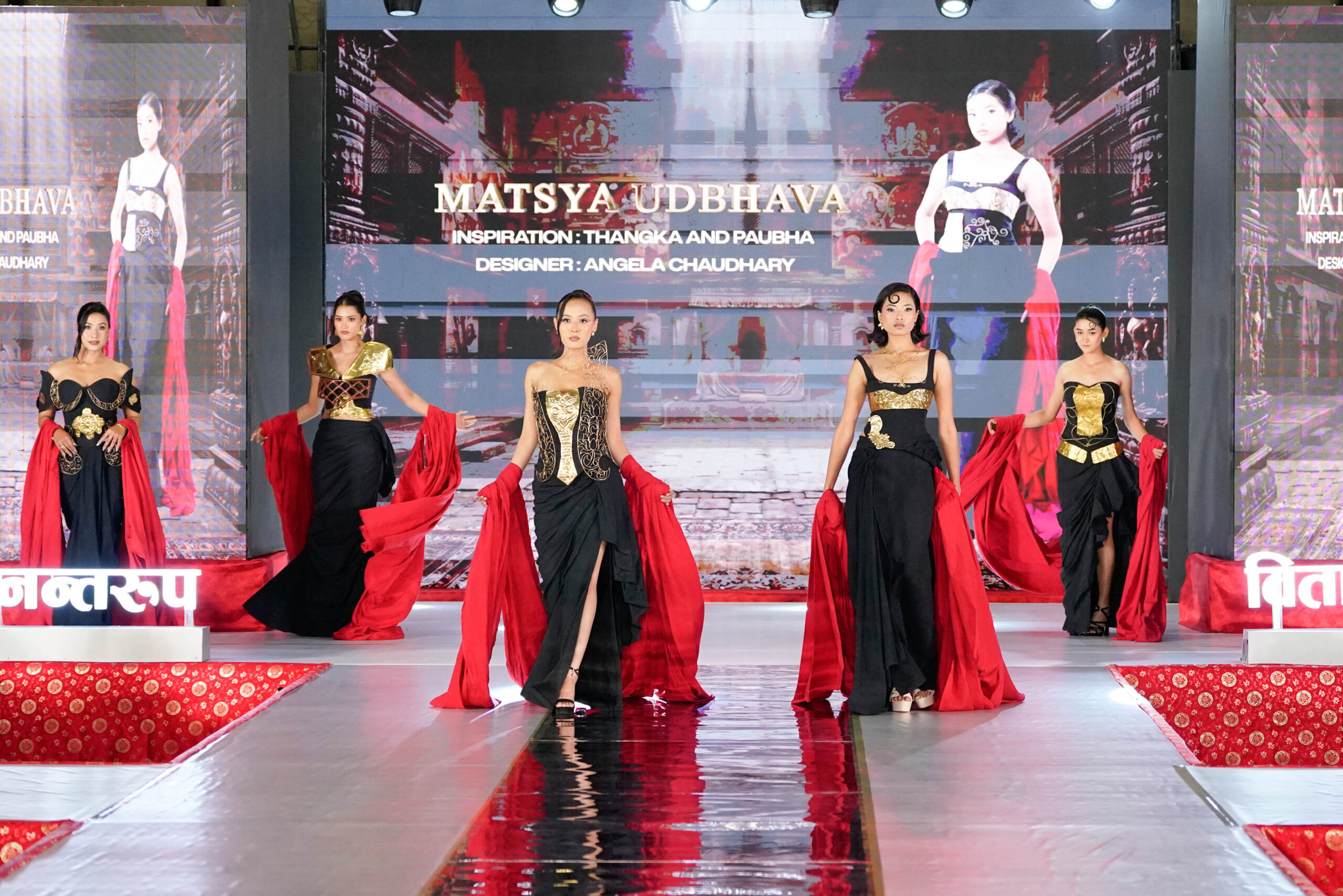
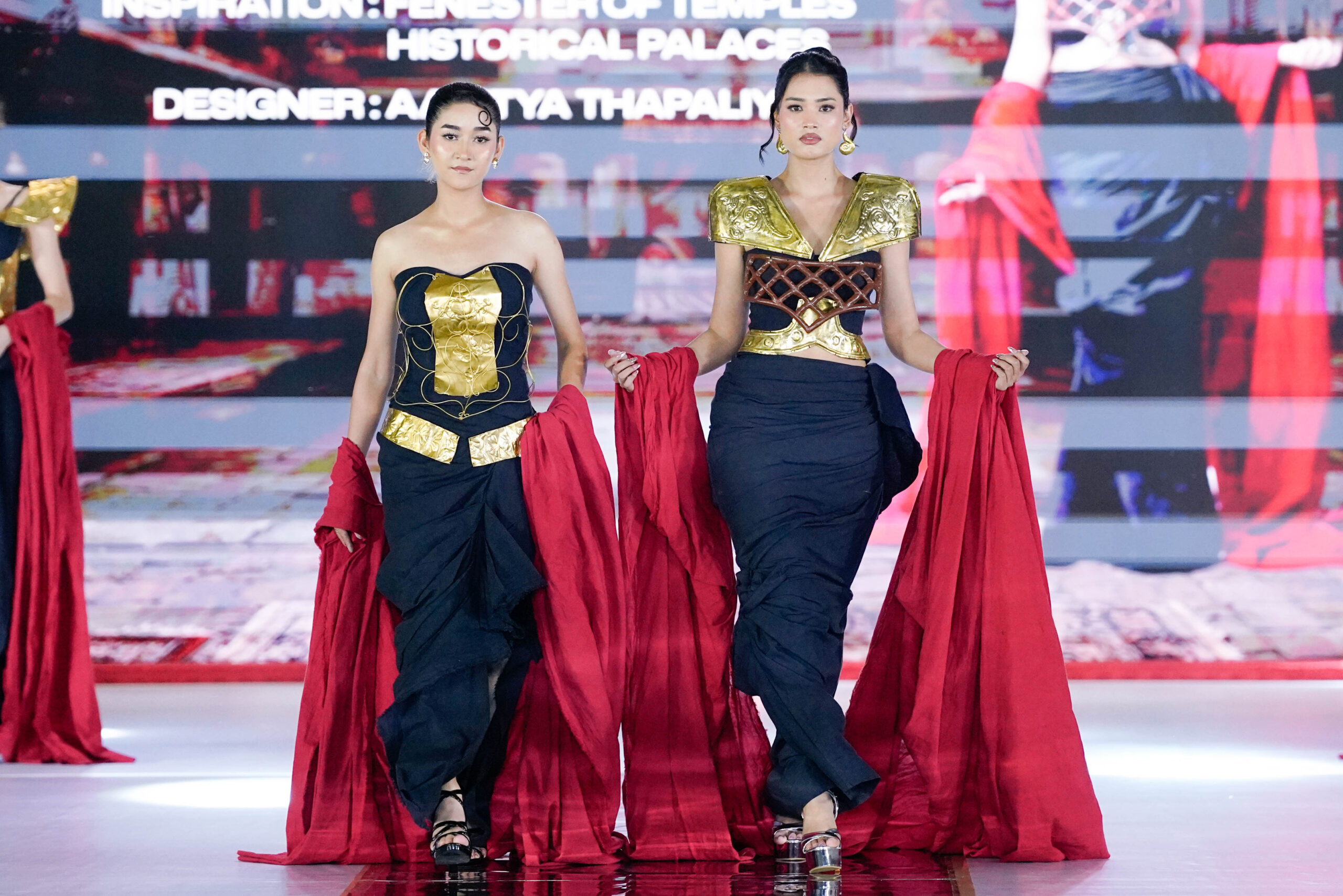
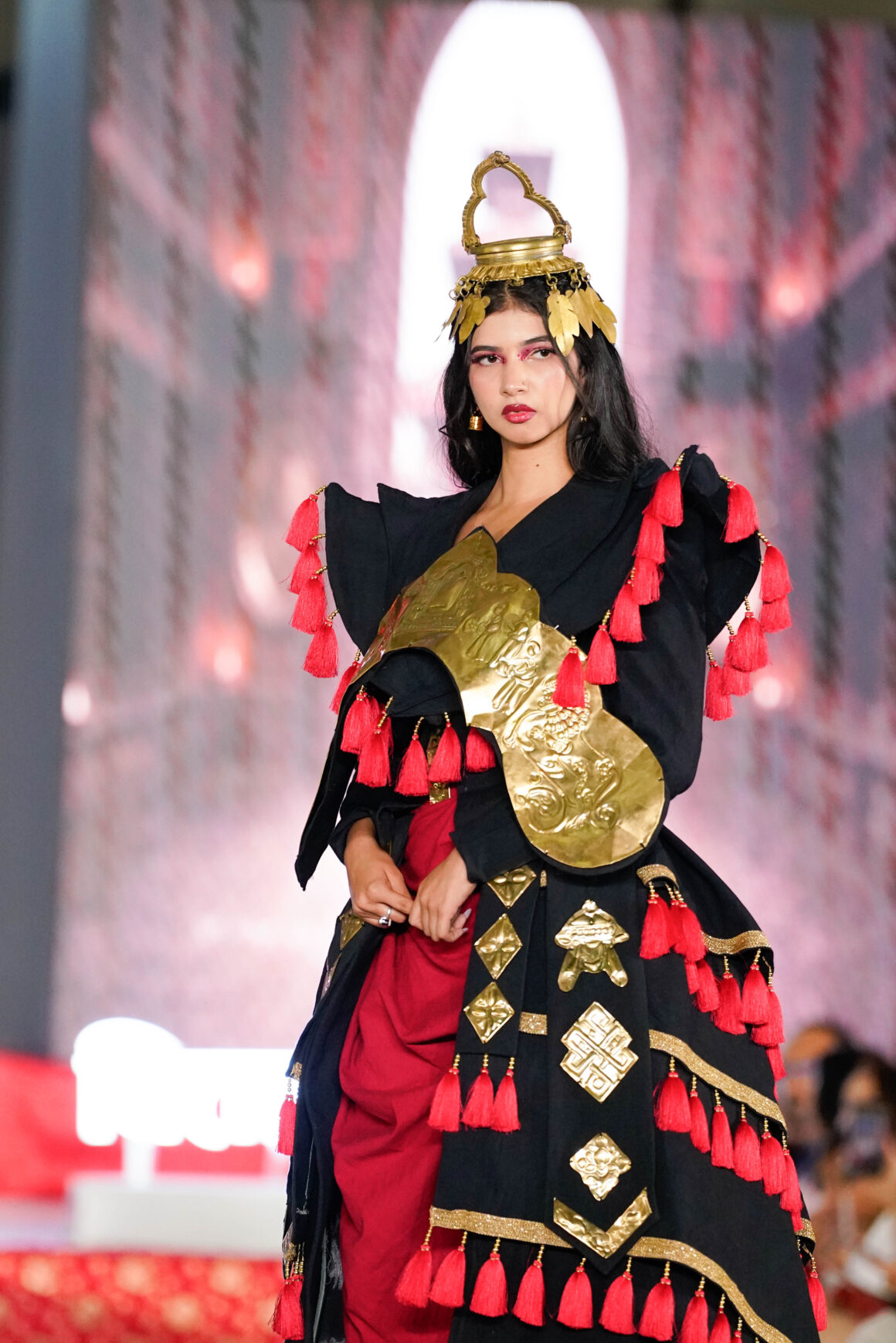
Forged by Heritage opened the showcase with designs inspired by Paubha art, temple woodcarving, traditional weaving, brasswork and sacred architecture. Rich crimson, black and gold tones, textured surfaces and architectural silhouettes gave traditional references a contemporary couture treatment.
The collection demonstrated how Nepal’s artistic heritage can influence modern garment construction without losing its cultural character.
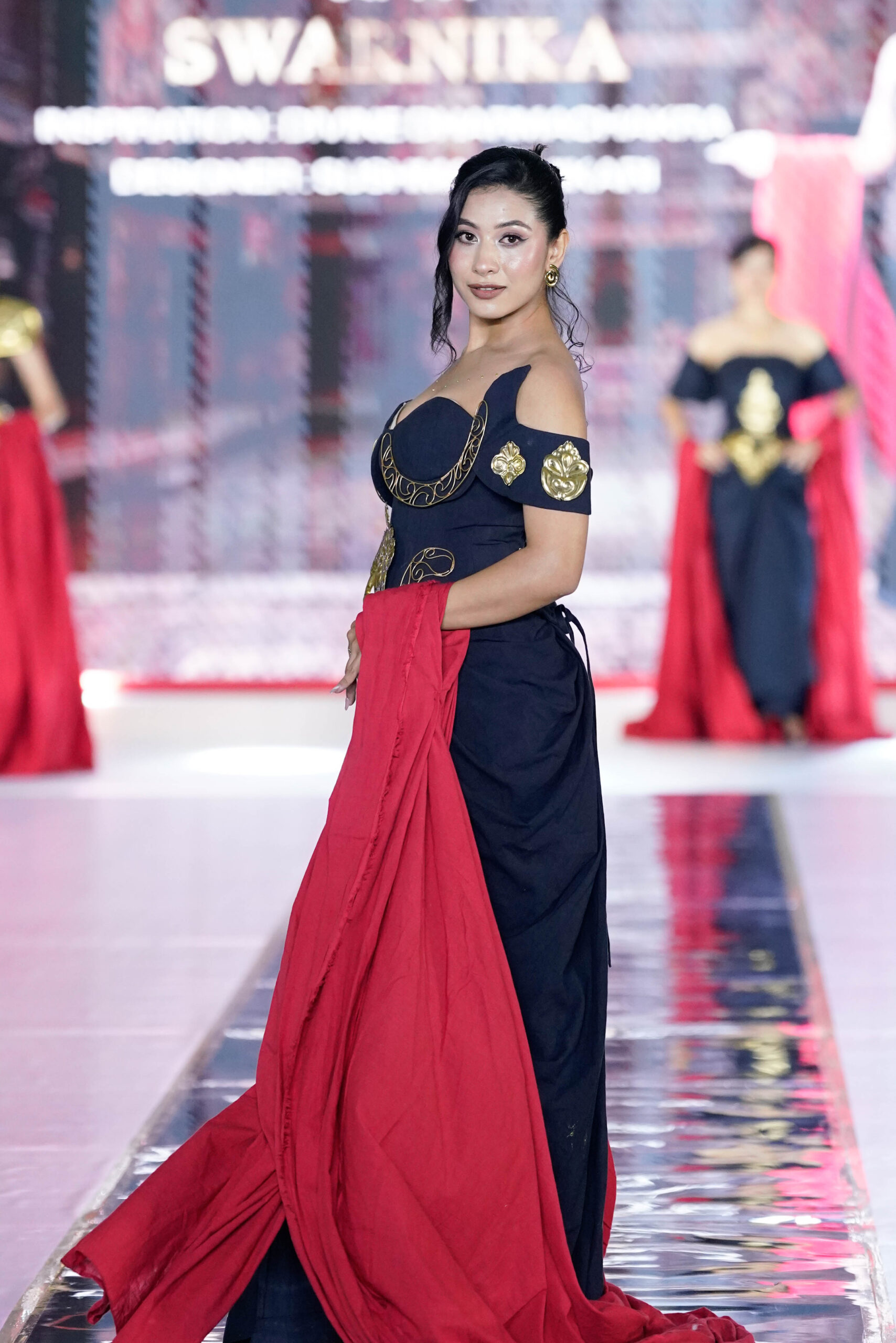
In Nepalese Gilded Spine, traditional jewellery from communities including the Newar, Magar, Tamang, Madhesi, Sherpa, Tharu, Gurung and Rai became a starting point for contemporary fashion. Dhaka textiles, vibrant colours and modern silhouettes reinterpreted cultural adornment through a fresh design language.
Sustainability Becomes a Design Statement
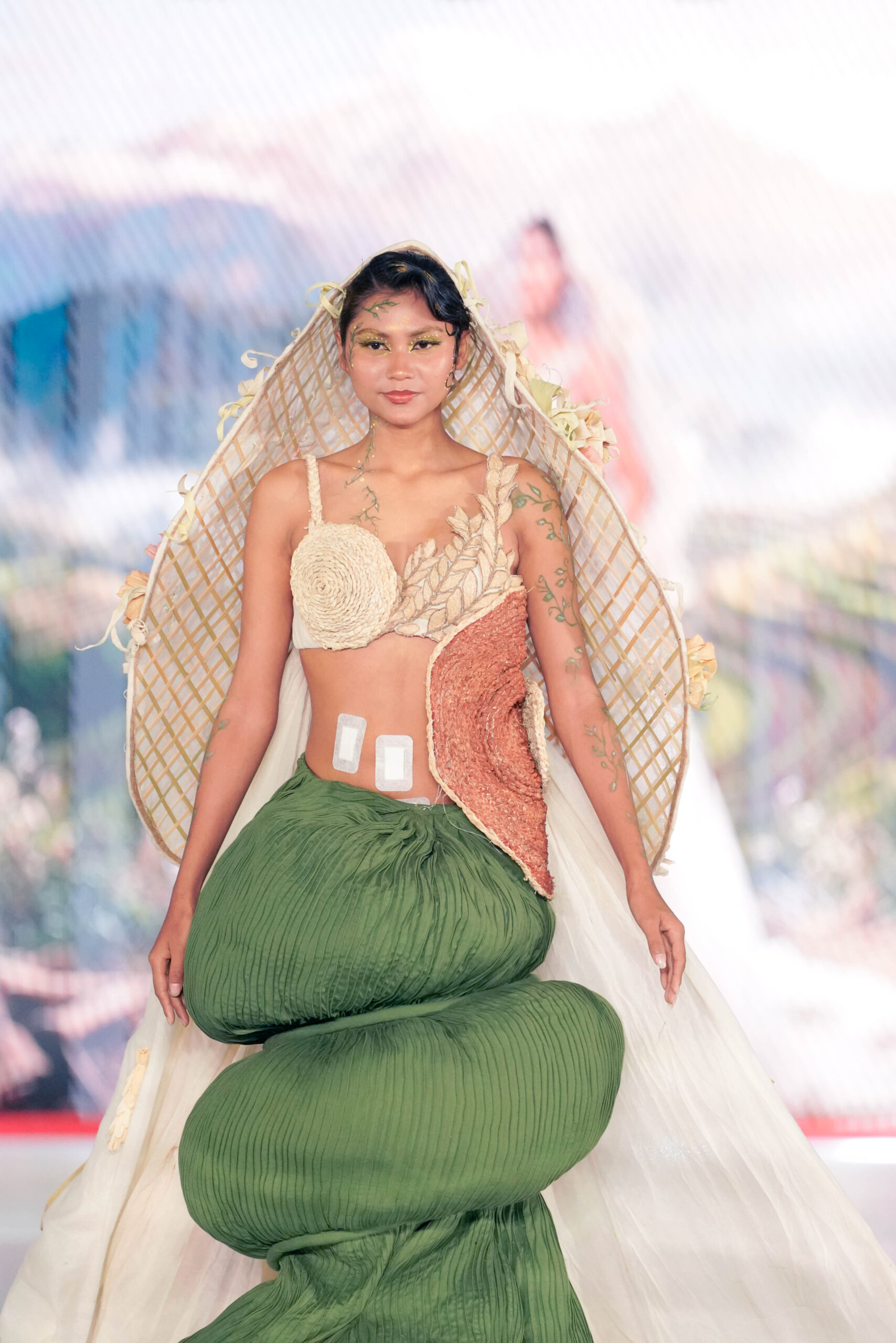
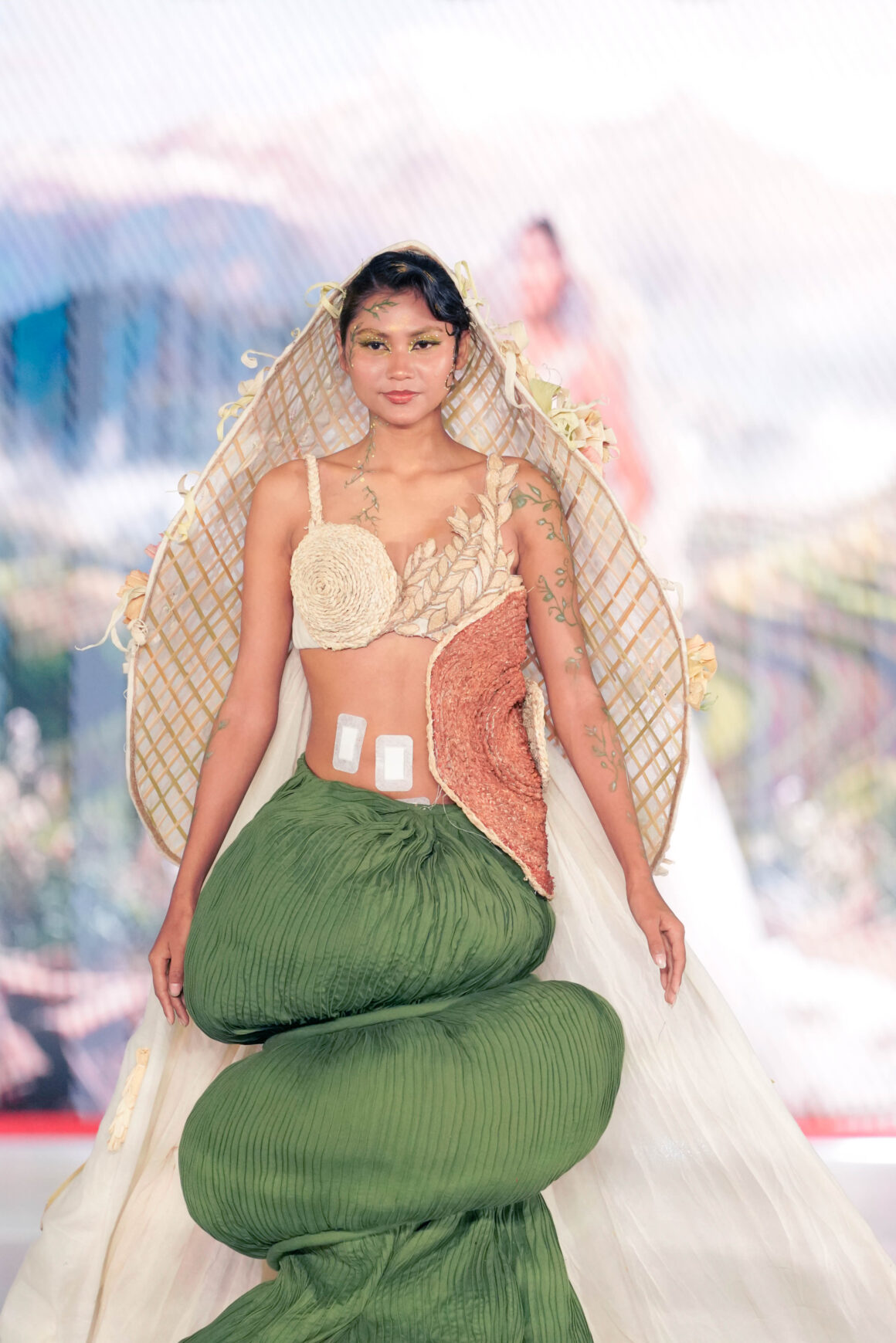
With growing attention on responsible fashion, Terra Sutra — Threads of Regeneration connected agricultural heritage with material experimentation.
Inspired by rice, wheat, maize, tea and millet, the collection explored modular silhouettes, adaptable garments and experimental materials. Its central design approach linked Nepal’s agricultural traditions with the possibilities of more environmentally conscious fashion.
The collection offered a perspective on sustainability rooted in local knowledge, natural resources and the relationship between clothing and everyday life.
Himalayan Nomads Inspire Textural Fashion
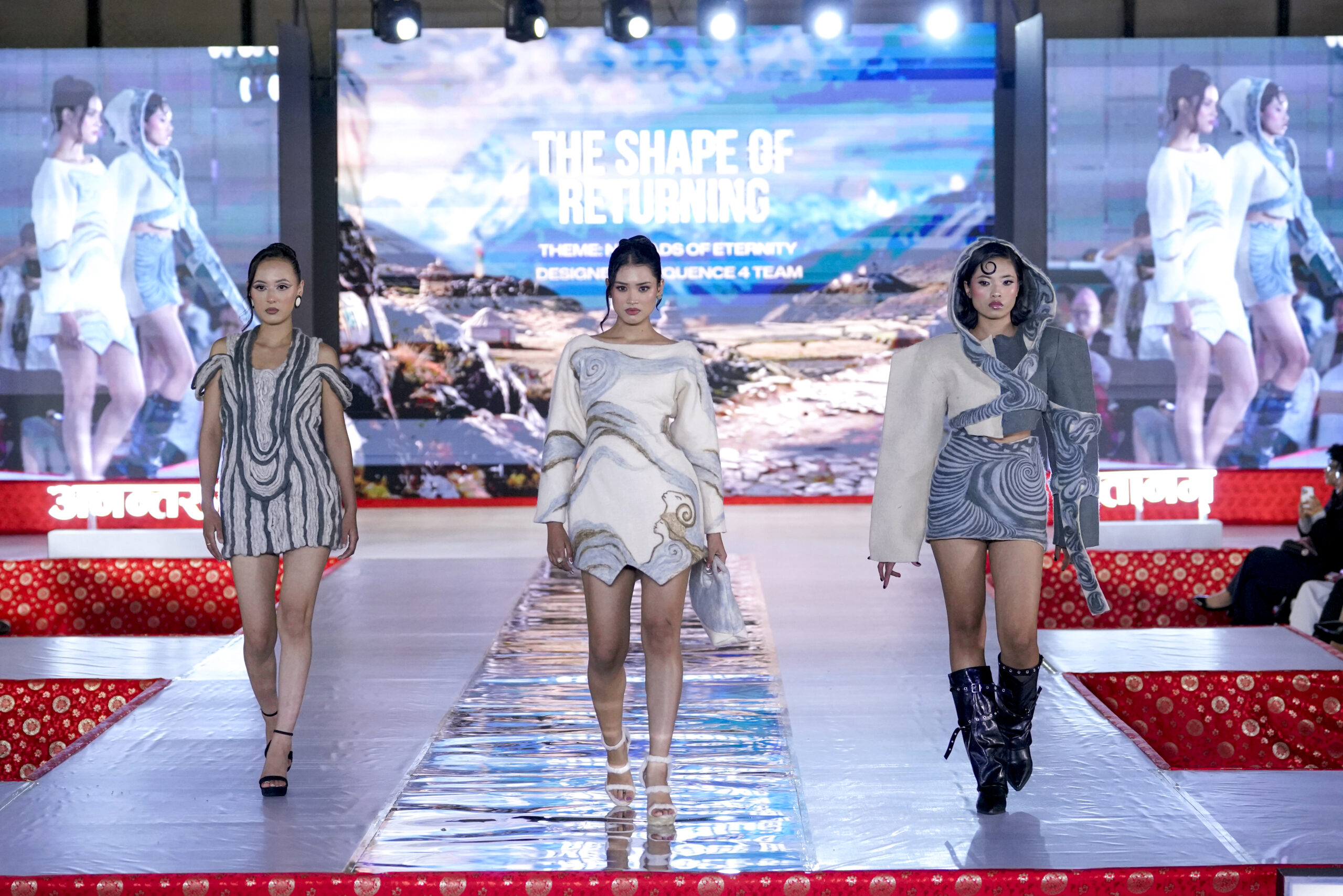
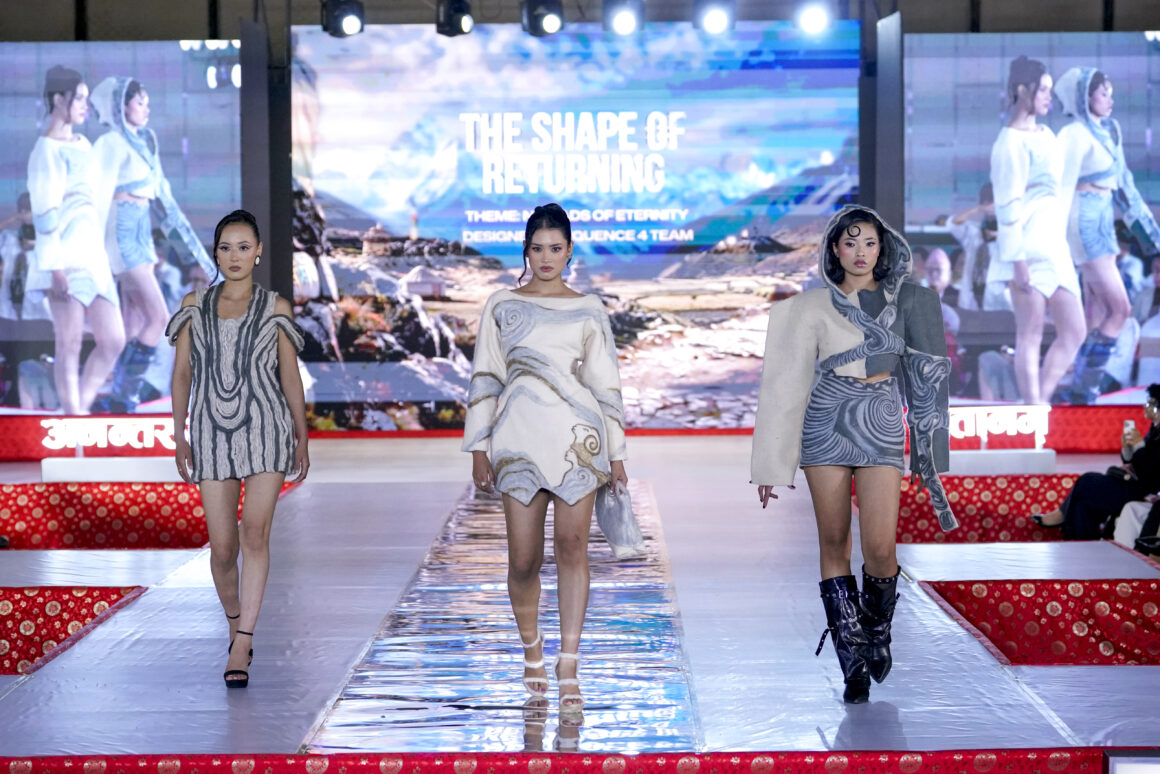
The Shape of Returning, themed “Nomads of Eternity,” drew inspiration from the seasonal movements of Himalayan herders and their relationship with nature and home.
Wool craftsmanship, wet felting, needle felting and innovative textile treatments gave the collection its distinctive material focus. The designs translated ideas of movement, resilience and nomadic life into expressive contemporary garments.
The collection also highlighted the creative possibilities of textile techniques that bring texture and material character to the forefront of fashion design.
Feminine Strength Through Sculptural Couture
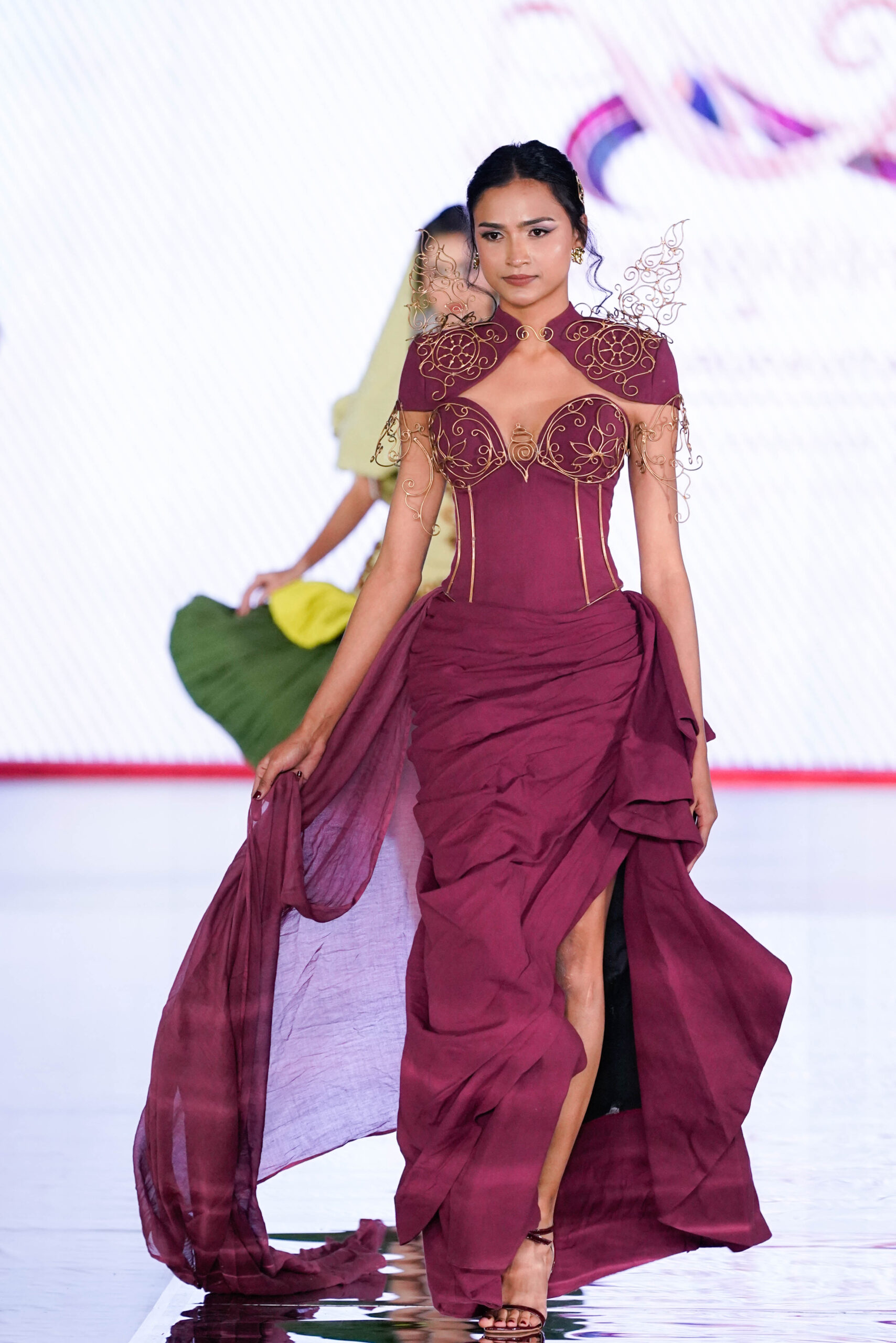
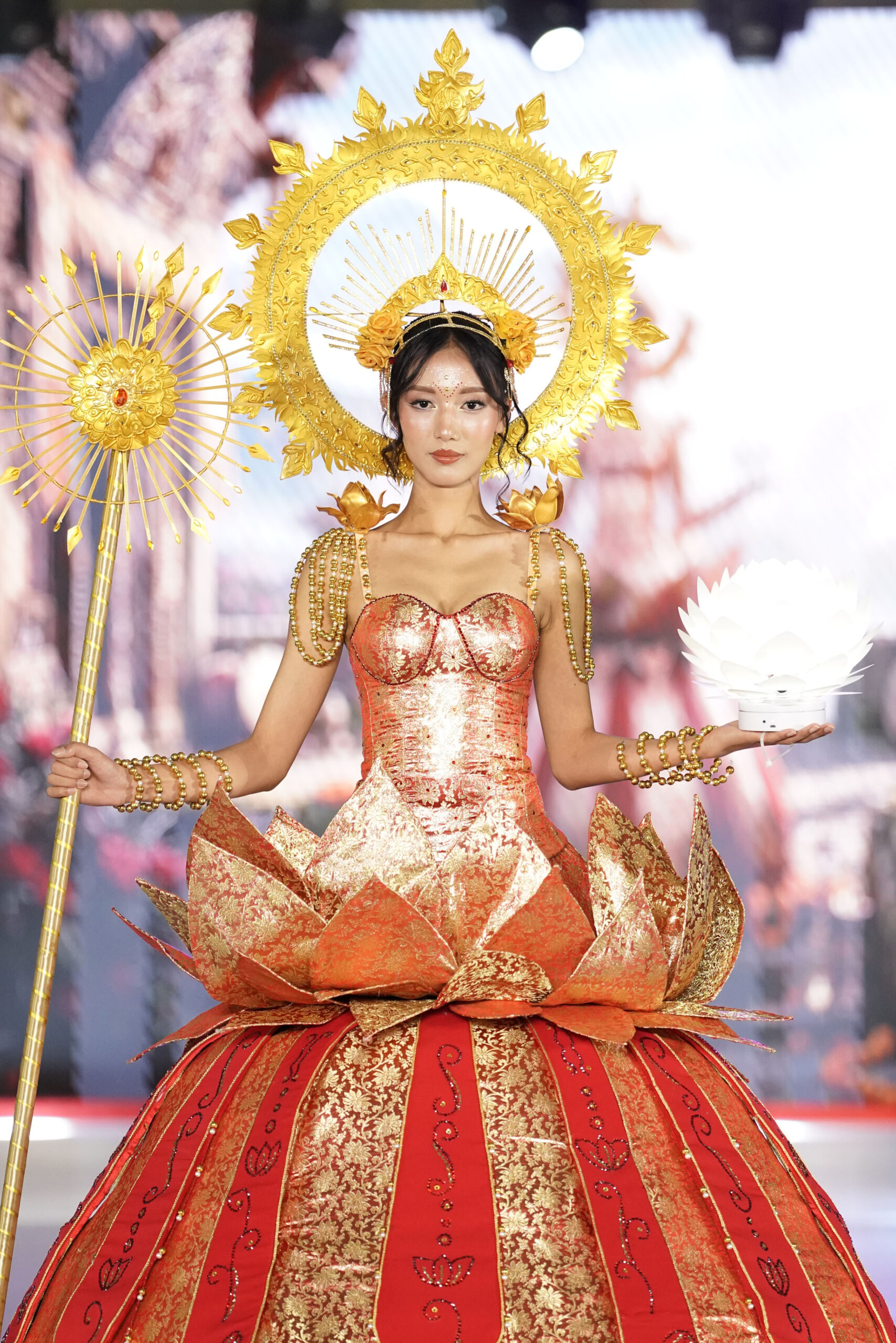
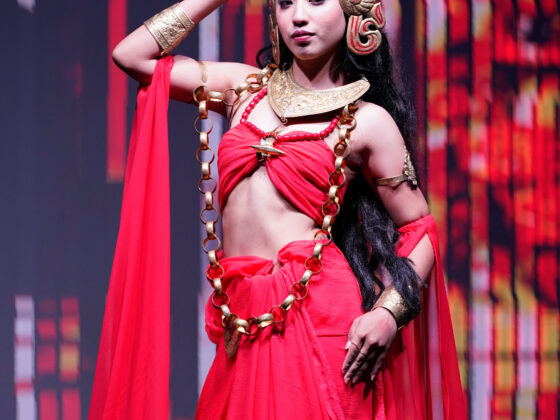
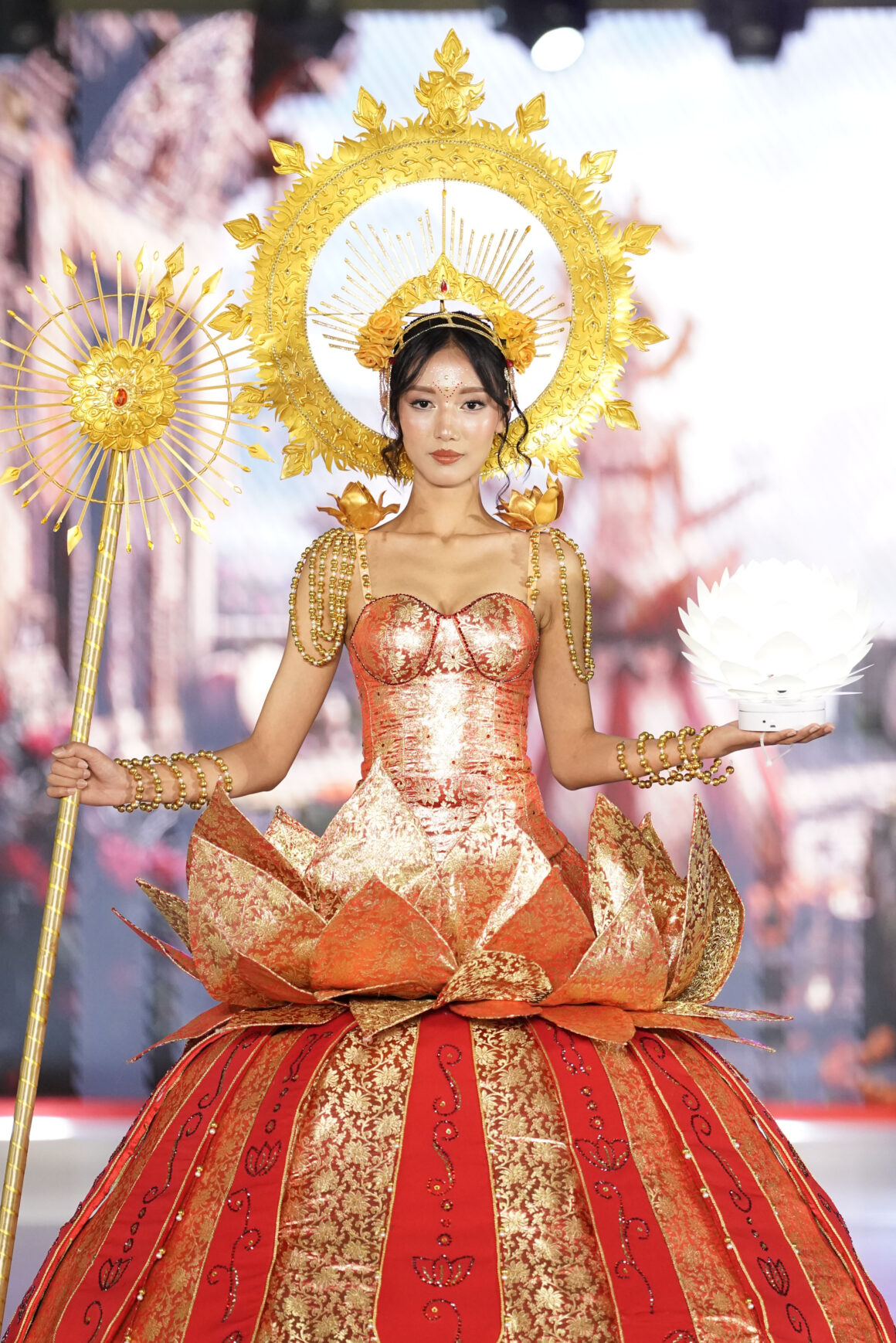
Inspired by Nava Durga and Goddess Laxmi, Abhaya-Shakti — The Power of Fearlessness explored feminine power through sculptural shapes, warrior-inspired forms, fluid silhouettes and luminous embellishments.
Rather than relying on a single visual expression, the collection brought together strength, protection, prosperity and grace. Its designs translated spiritual and cultural references into a dramatic contemporary fashion statement.
KALPA SUTRA: Where AI Meets Nepali Heritage
The final collection, KALPA SUTRA, shifted the runway towards futuristic couture, combining Nepali heritage with artificial intelligence and cosmic imagination.
Its design concepts included Cosmic Origin, Himalayan Roots, Heritage Bloom, Spiritual Code, AI Awakening, Nebula Flow, Lunar Guardian, Beyond Time and Future Nepal. Together, they explored a visual progression from ancestral roots to imagined technological futures.
The collection offered a forward-looking interpretation of Nepali fashion, suggesting that cultural identity can evolve through experimentation, digital inspiration and unconventional design concepts.
A New Fashion Language Rooted in Nepal
Across the six collections, Anantarūpavitānam presented different approaches to the relationship between heritage and modern fashion. Traditional craftsmanship informed couture silhouettes, agricultural knowledge inspired sustainability-focused designs, Himalayan life shaped textile experimentation, and spiritual symbolism provided a foundation for expressive garments.
The showcase reflected the graduating designers’ engagement with research, material exploration and garment construction while presenting a range of creative directions for Nepali fashion.
Its central idea was clear: heritage does not have to remain confined to traditional dress or historical preservation. Through thoughtful reinterpretation, it can become a living source of inspiration for contemporary couture, sustainable design and the future of fashion in Nepal.