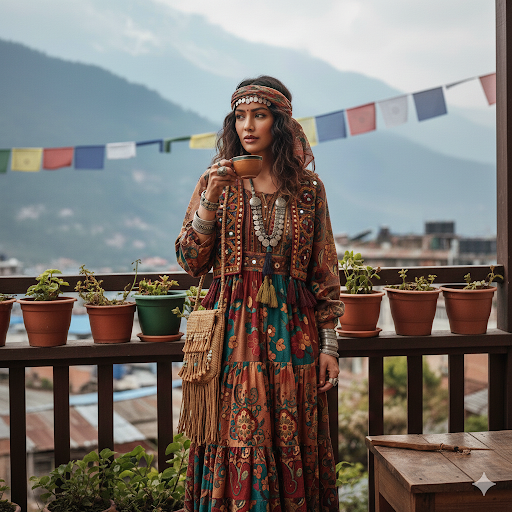
Gypsy style is among fashion’s most evocative and soul-stirring expressions. Long intertwined with the lives of wanderers, artists, and free spirits, it embodies a way of living that transcends borders—where garments are not merely worn, but lived in, carrying the imprint of journeys, cultures, and quiet rebellions.
In the contemporary fashion landscape, Gypsy style has gracefully evolved beyond its folkloric origins into a refined yet effortlessly wearable aesthetic. It weaves together global influences, artisanal craftsmanship, and fluid silhouettes. In Nepal, this sensibility feels instinctive—echoing the country’s nomadic past, creative communities, and enduring intimacy with nature.
The Essence of Gypsy Fashion
At its heart, Gypsy fashion is an ode to freedom and individuality. Rooted in nomadic traditions and enriched by cultural encounters, it resists structure in favor of expression—embracing layering, texture, and a beautifully imperfect harmony.
Though often compared to Bohemian style, Gypsy fashion carries a deeper, more grounded authenticity—earthy, cultural, and richly storied—where Boho leans toward softer, more romantic interpretations.
The Language of Fabric and Form
Gypsy style speaks through richness—of color, texture, and intricate detail.
Its defining elements include:
- Flowing skirts and layered dresses that move with quiet grace
- Natural fabrics—cotton, wool, linen, and silk—chosen for their authenticity
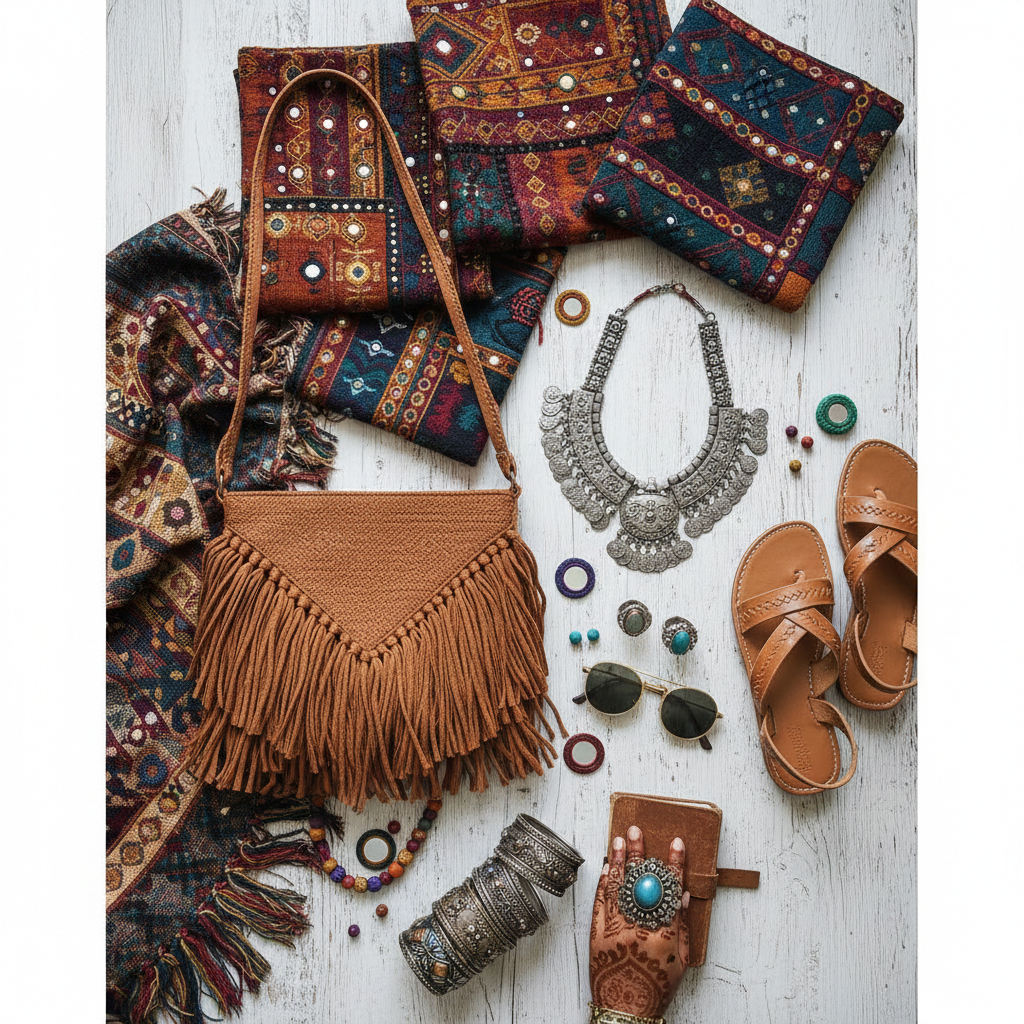
- Embroidery, mirror work, tassels, and bold, expressive patterns
- A palette of earthy yet vibrant tones: rust, maroon, mustard, indigo, and teal
- Silhouettes that remain unstructured, allowing freedom in every movement
Each ensemble feels discovered rather than designed—assembled over time, shaped by experience rather than intention.
Wardrobe as a Journey
A Gypsy-inspired wardrobe is less about curation and more about collection—each piece carrying a story.
- Maxi skirts and tiered dresses that flow with ease
- Loose blouses, peasant tops, and wrap silhouettes
- Embroidered vests and artisanal jackets
- Shawls and scarves layered with instinctive elegance
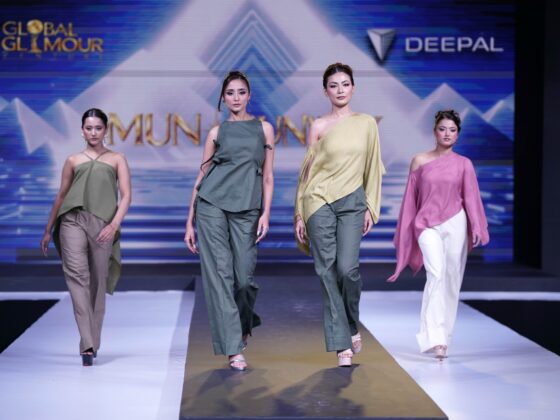
- Wide-leg trousers and draped, dhoti-inspired forms
Together, they create a sense of movement, comfort, and quiet confidence.
Adornment as Expression
In Gypsy fashion, accessories are not embellishments—they are identity made visible.
- Oxidized silver jewelry, bold necklaces, and layered bangles
- Coins, beads, mirrors, and handcrafted talismans
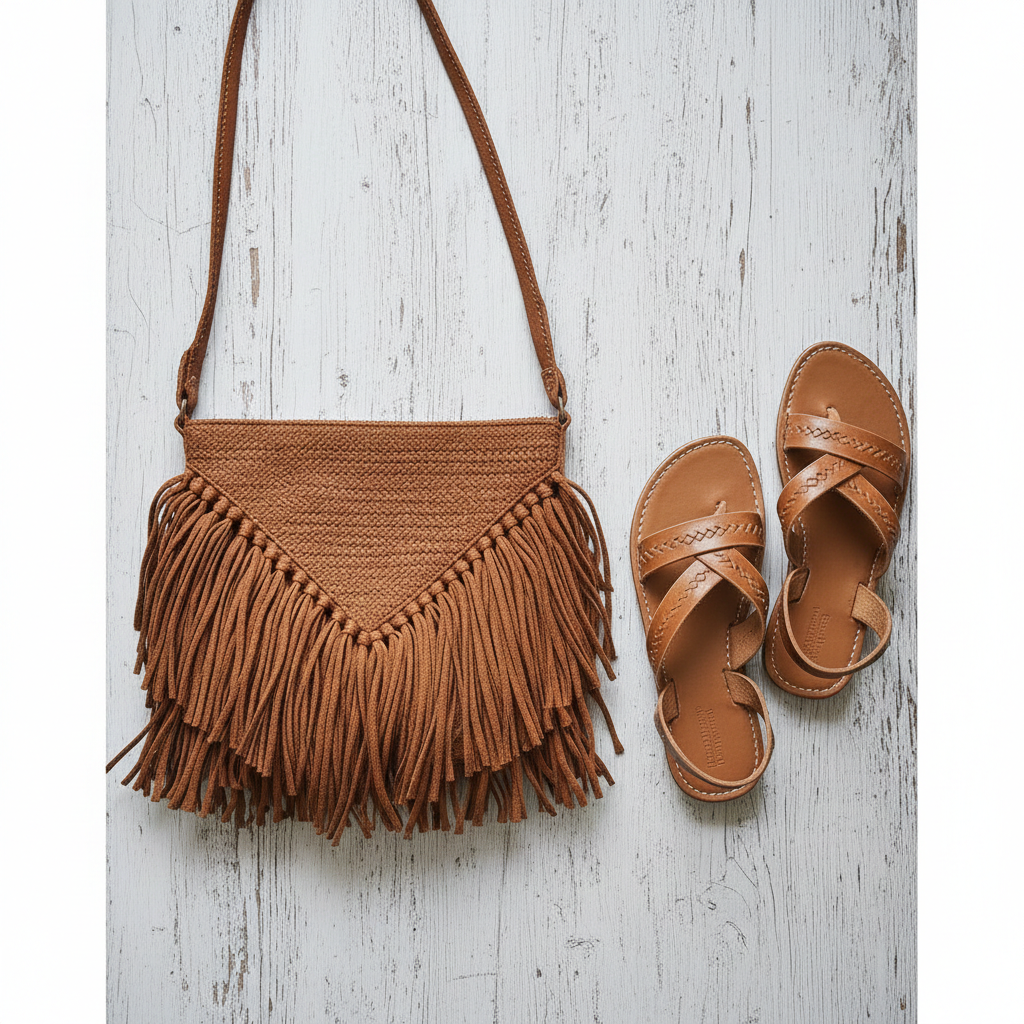
- Fringe and woven bags that echo a sense of travel
- Simple sandals, weathered leather, or grounded boots
There are no rules to layering—only instinct. The more personal, the more meaningful.
A Natural Resonance with Nepal
Nepal’s rich cultural tapestry—its handwoven textiles, intricate embroidery, and artisanal traditions—finds a natural harmony with the Gypsy aesthetic. The shared language of craftsmanship, layering, and cultural expression creates an effortless alignment.
From the vibrant streets of Thamel to the creative enclaves of Pokhara and the quiet charm of mountain cafés, Gypsy style has subtly woven itself into Nepal’s evolving fashion identity.
Reimagined for the Present
Modern interpretations of Gypsy style embrace refinement without losing their soul. Designers introduce cleaner lines, sustainable materials, and contemporary sensibilities—making the aesthetic adaptable to daily life, travel, festivals, and editorial expression.
It thrives in spaces that celebrate individuality—where style is not dictated, but discovered.
Beyond Fashion
Gypsy style is not a trend—it is a philosophy of dressing. It honors movement, storytelling, and the beauty of cultural diversity. It values craftsmanship over convenience, and expression over perfection.
In a world shaped by fleeting trends, it offers something rare: a sense of permanence rooted in soul.
Gypsy style is fashion without borders—layered, expressive, and endlessly alive with stories.
It continues to inspire by honoring tradition, while embracing the freedom to evolve.