Few wardrobe pieces have undergone a transformation quite as dramatic as the corset. Once deeply tied to practicality, social status, and economic necessity, this structured garment has broken free of its historical confines to become one of fashion’s most enduring and influential staples.
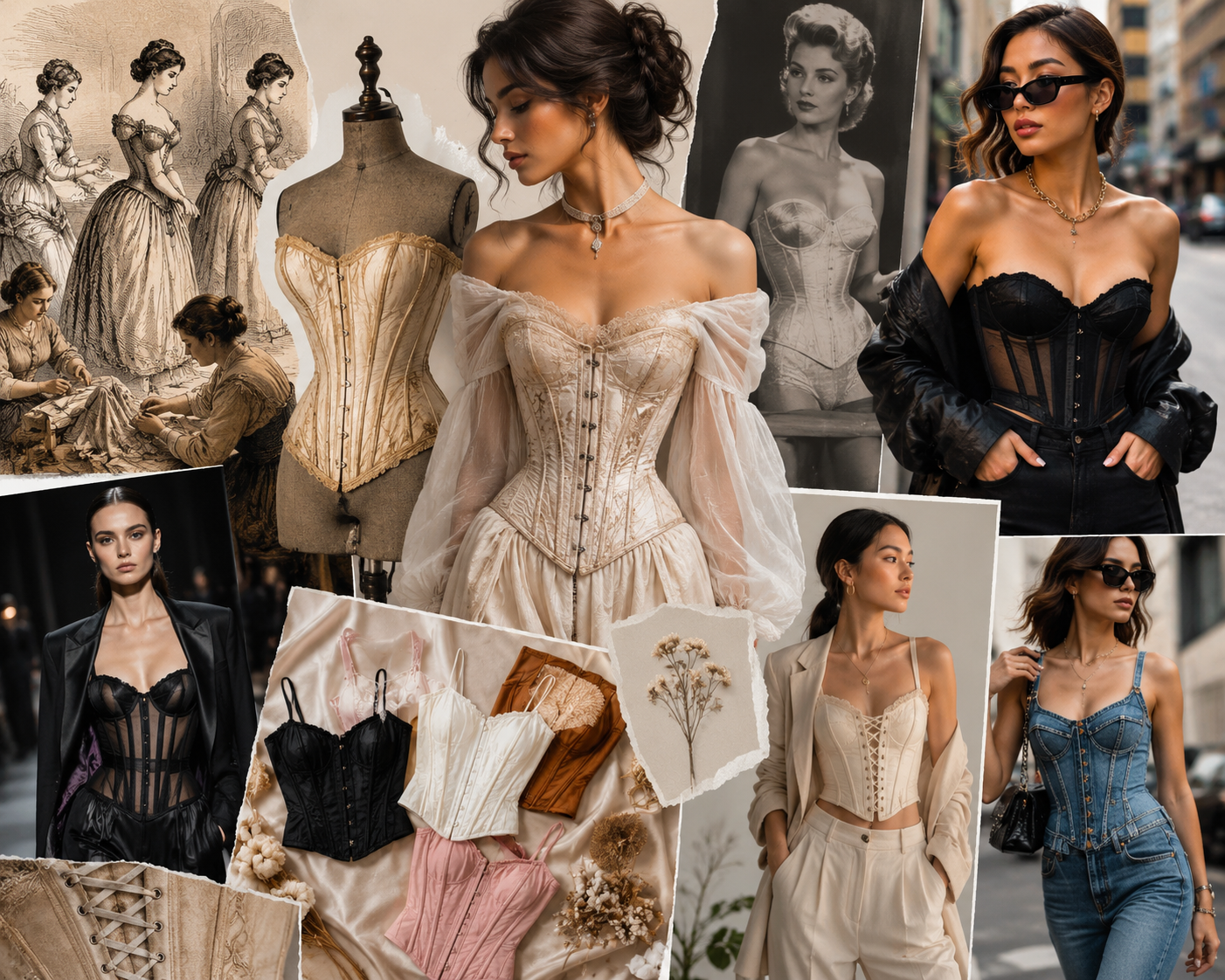
The story of the corset began in 16th-century Europe, where it was primarily utilized to sculpt the torso into the era’s desired silhouette. Over the following centuries, it grew into a powerful symbol of femininity and wealth, favored heavily by aristocratic and upper-class circles. Yet, its reach extended further; simplified, budget-friendly iterations were also adopted by working-class women, proving that structured bodices were accessible across diverse social divides.
As style preferences shifted during the late 19th and early 20th centuries, traditional corsetry slowly fell out of favor. Womenswear embraced a more relaxed, less restrictive freedom, and heavy corsets were largely cast aside for modern bras and flexible shapewear. For a brief period, it seemed as though the garment was destined to remain a relic of history.
Fashion, however, is famous for looking backward to move forward. In the late 20th century, avant-garde designers began treating the corset as a striking outerwear statement rather than a hidden undergarment. Visionary fashion houses successfully reimagined the piece as an emblem of confidence, empowerment, and haute couture, flipping the narrative so that what was once concealed became the main event.
Today, the corset has completely outgrown its original blueprint. Contemporary fashion has unleashed a wave of adaptations, including sleek corset tops, structured dresses, tailored blazers with boning details, bustiers, lace-up pieces, and even comfortable knitwear that mimics the classic shape. These modern interpretations deliver the striking look of traditional corsetry while prioritizing everyday comfort and ease of movement.
This stylistic renaissance is visible on a global scale—stretching from the luxury runways of Paris and Milan to the bustling street style of New York, Seoul, and London. Driven by digital platforms and viral trends, corset-inspired silhouettes have secured their spot as a top choice for celebrities, trendsetters, and everyday fashion enthusiasts alike.
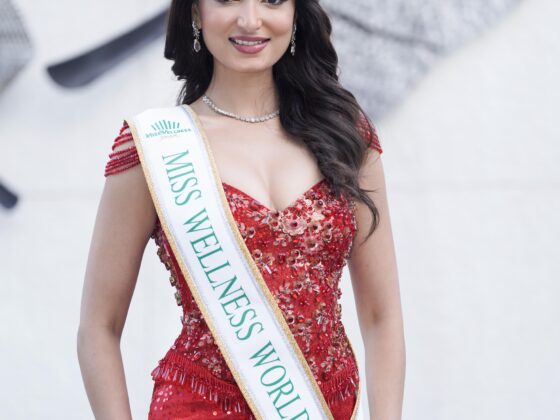
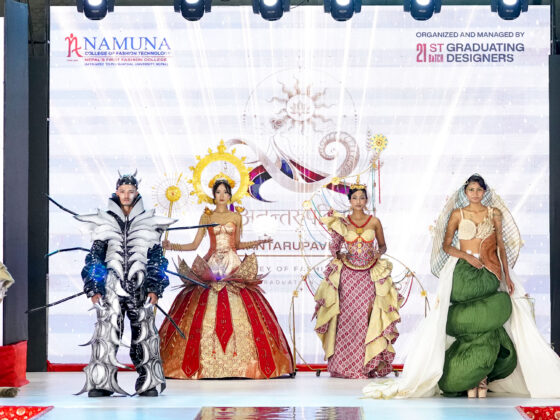
The phenomenon has captured a passionate audience in Nepal as well. Corset-style pieces are rapidly filling local boutiques, anchoring high-fashion editorial shoots, and making appearances at weddings, formal parties, and casual hangouts. Whether styled with casual denim, flowing skirts, sharp trousers, or creatively layered with traditional attire, these garments offer a versatile edge for a new generation of style lovers.
Centuries after its inception, the corset remains as captivating as ever. Its remarkable journey from a rigid, functional undergarment to a fluid symbol of modern individuality perfectly illustrates how fashion can brilliantly reinvent its past to redefine the future.