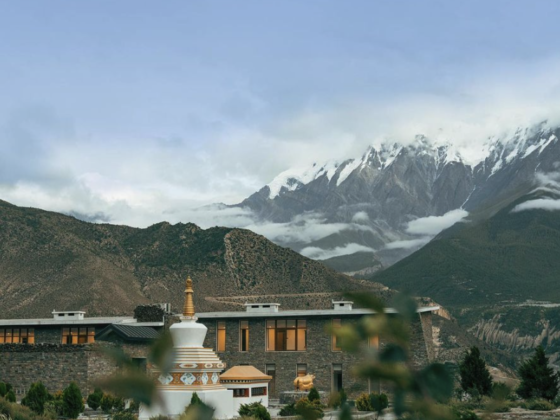
Eastern Nepal is a treasure trove that remains largely unexplored. When we think of “trekking,” our minds instantly drift to Everest, the arid landscapes of Manang and Mustang, or the turquoise waters of Phoksundo. For many, Eastern Nepal begins and ends with the rolling tea gardens of Ilam, the sacred heights of Pathivara, or the cool breezes of Bhedetar.
But the true soul of the East lies deeper—in the heart of the Sankhuwasabha district, within the rugged embrace of the Makalu Barun region.
The Journey into the Wild
The trek to the Makalu Base Camp is a journey of about 12 to 15 days. It isn’t just a path for walking; it is one of the most magnificent trekking trails for both Nepalese and international adventurers. Rich in both religious significance and cultural heritage, this trail offers a soul-stirring connection to the land.
The adventure unfolds as you cross the mighty Arun River and follow the winding path of the Barun River.
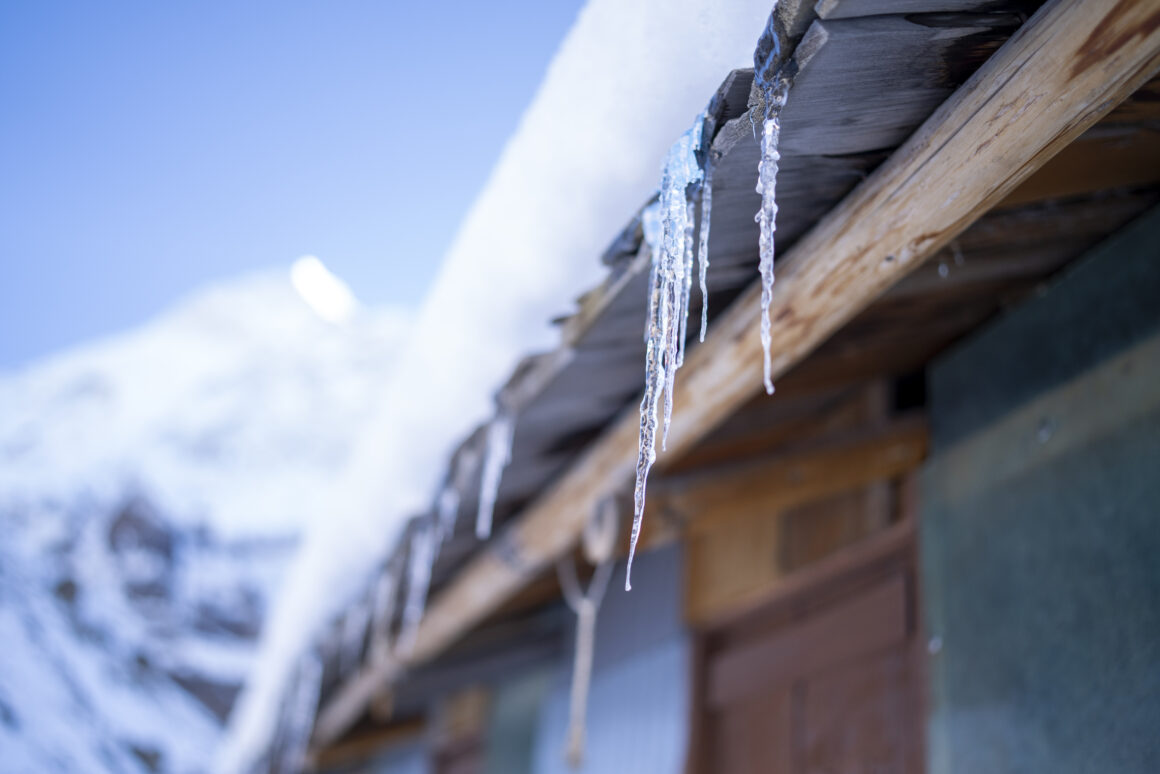
A Moment Frozen in Time
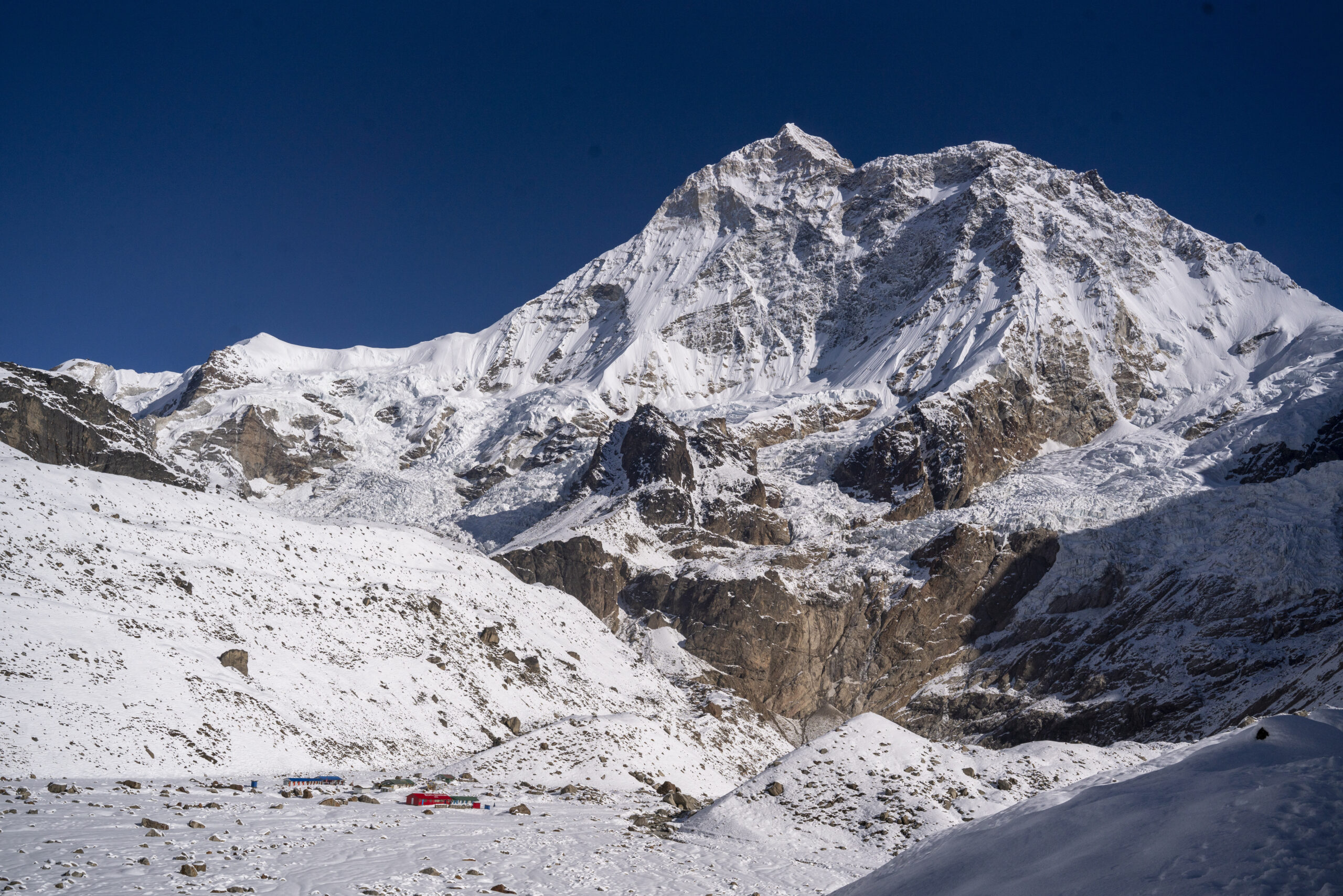
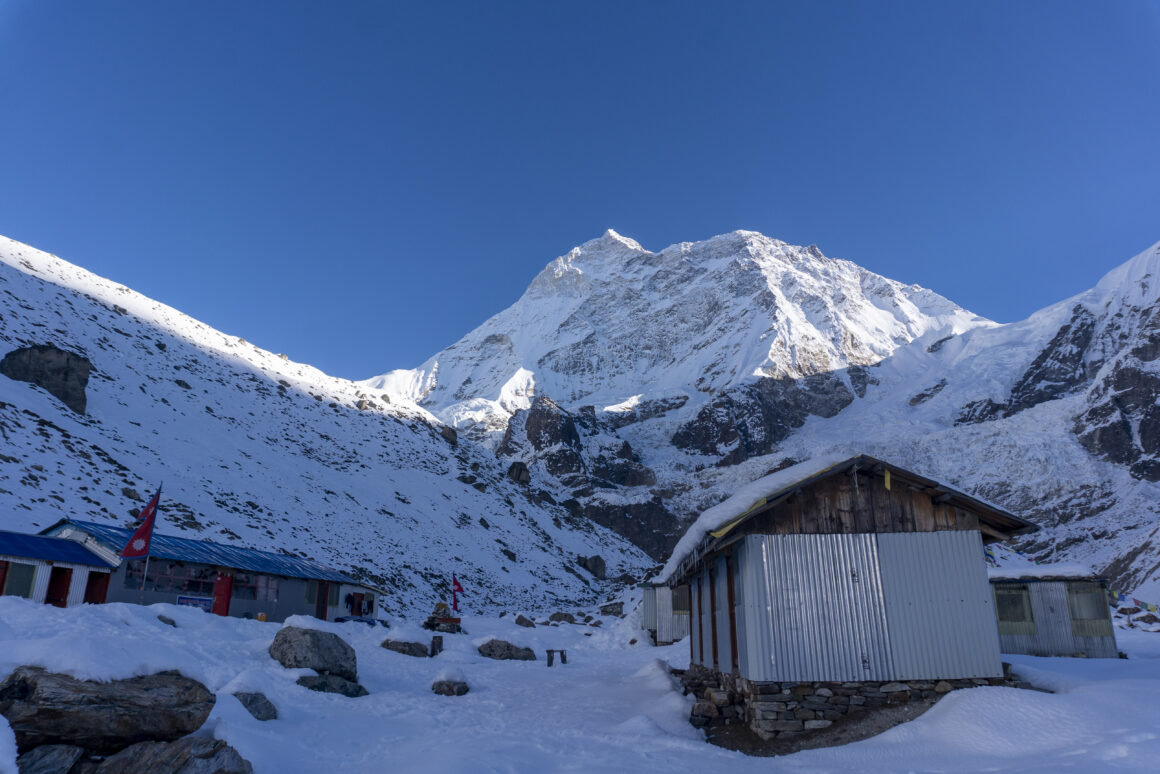
Standing at the Base Camp, at an altitude of approximately 4,870 meters, the world’s fifth-highest peak—Mt. Makalu (8,481m)—stands tall and majestic right before your eyes.
“To sit amidst a cathedral of snow-white peaks and witness that grandeur is a moment of pure transcendence—a memory etched forever into the mind like a beautiful photograph.”
Nature’s Masterpiece
Lush green hills and trails lined with rhododendrons make this journey feel like a ‘stairway to heaven,’ especially during the blooming season. The vibrant red of the flowers against the backdrop of the Himalayas is a sight that heals the soul.
Beyond the scenery, it is the warmth of the people that defines this trek. The friendly fellow travelers and the incredible hospitality of the local residents ensure that even in the middle of the wilderness, you never truly feel alone.
Eastern Nepal is waiting. Are you ready to explore the unseen?
Trekking Difficulty: A True Himalayan Test
Unlike the more “commercial” treks like Annapurna or Everest, Makalu is graded as Strenuous to Challenging.
- Altitude Gain: You start from the humid lowlands of Tumlingtar (approx. 410m) and climb to the Base Camp at 4,870m. The rapid ascent between Seduwa and Khongma Danda is particularly steep and tests your lung capacity.
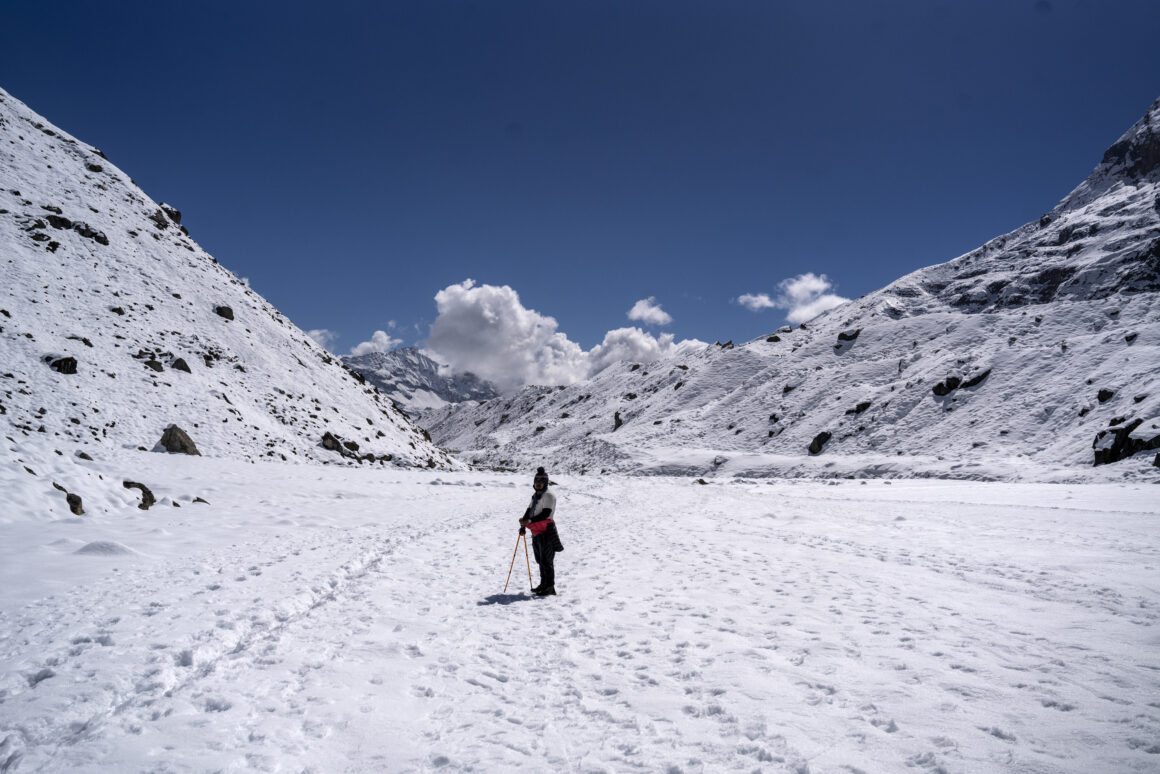
- The High Passes: The most daunting part of the trek is crossing the Shipton La (4,210m) and Keke La (4,170m) passes. These sections often involve walking on snow and ice, even in spring.
- Steep Terrain: Expect long days (6–8 hours of walking) with constant “Nepali flats” (a little bit of down, a lot of up).
🏠 Accommodation: The Tea House Experience
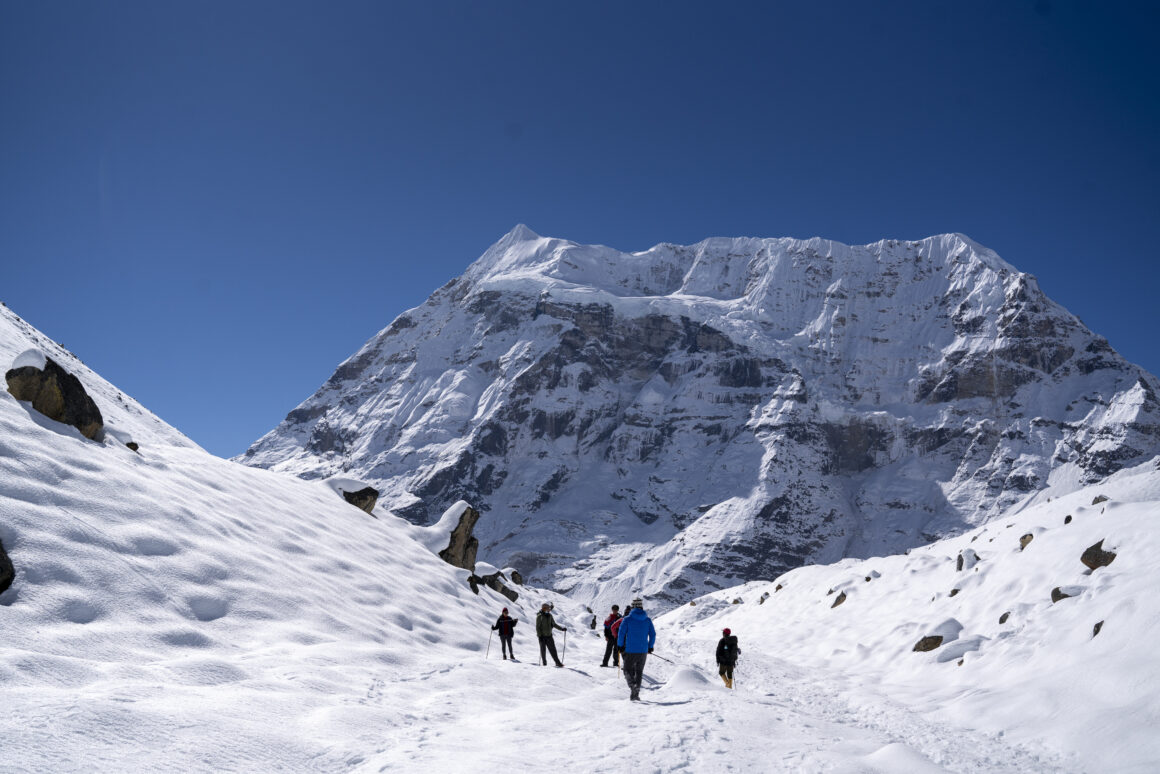
In the past, Makalu was strictly a camping trek. Today, it has evolved into a Tea House Trek, though facilities remain basic.
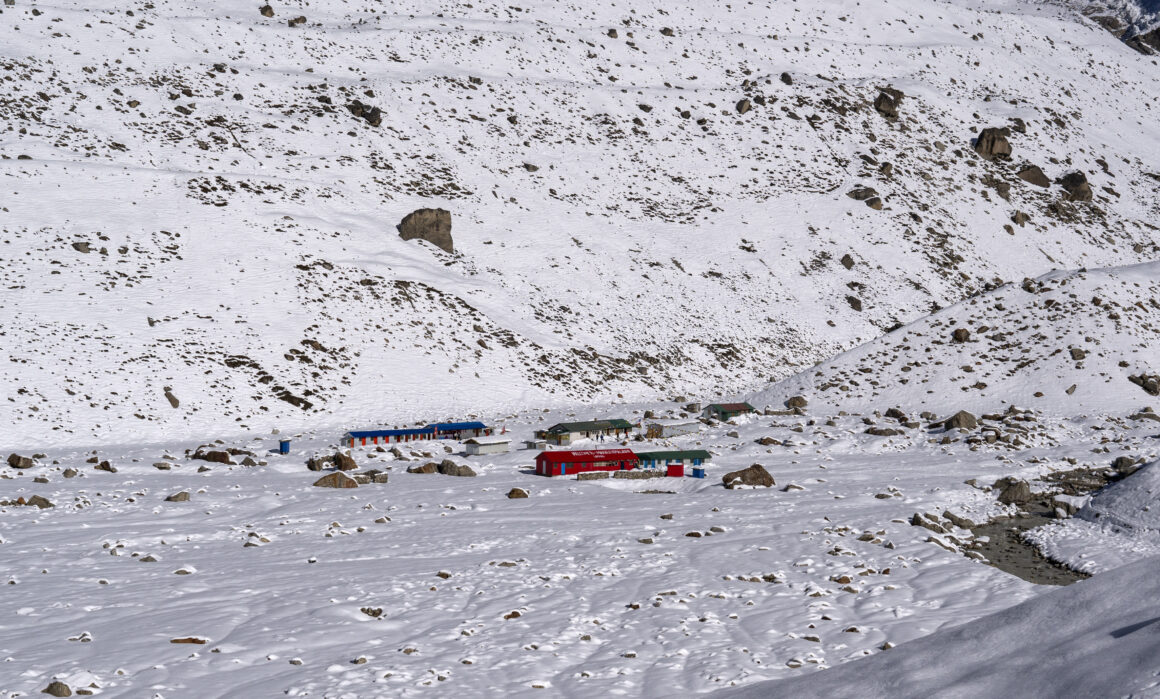
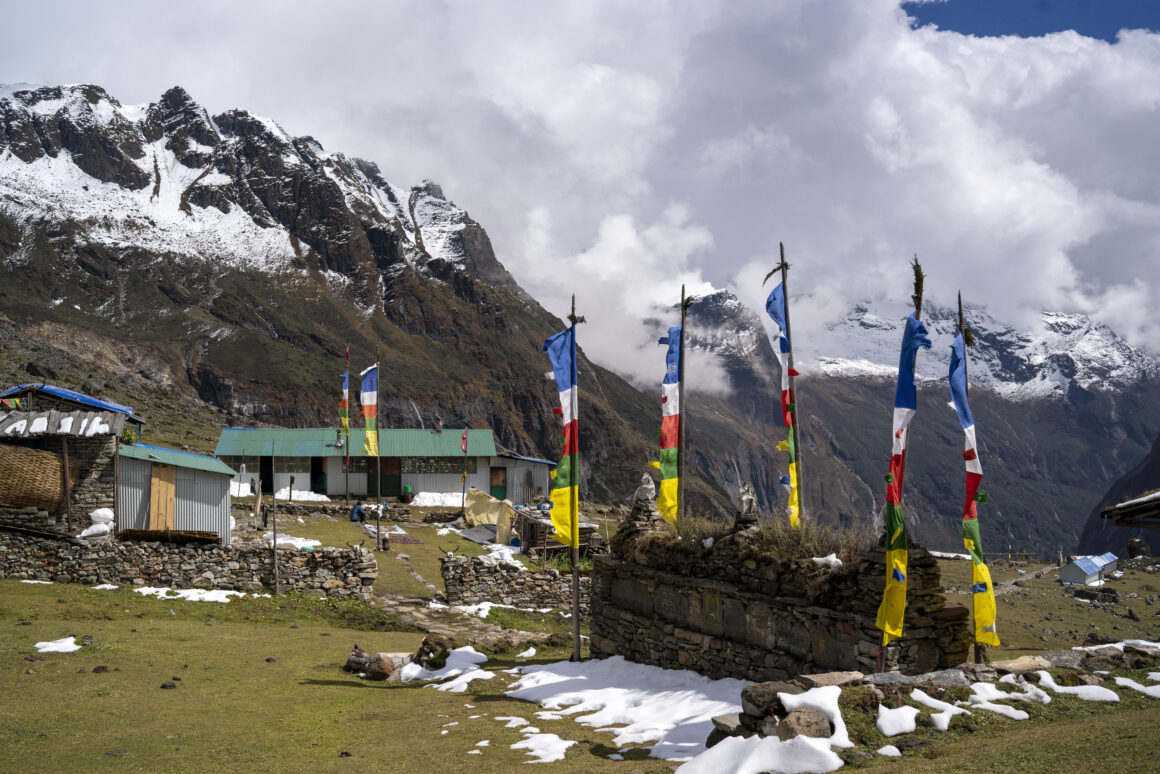
- Availability: You will find tea houses all the way to the Base Camp. However, unlike the luxury lodges in Everest, these are simple stone huts with shared bathrooms and common dining areas.
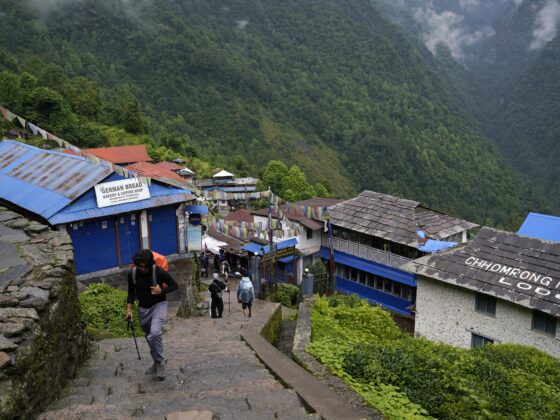
- The Stone-Paved Trail: A unique feature of the lower sections (around Seduwa and Tashigaon) is the extensive stone-paved stairs. While they help prevent slipping in the mud, they can be hard on your knees during long descents.
- Food: You’ll get plenty of Dal Bhat (the ultimate trekking fuel), noodles, and soup. Higher up, the menu becomes more limited, so bringing some personal snacks is a smart move.
👟 Gear: From Goldstar to Gore-Tex
The terrain varies from humid jungles to rocky moraines and snow. Your choice of footwear and gear is critical.
The Shoe Debate:
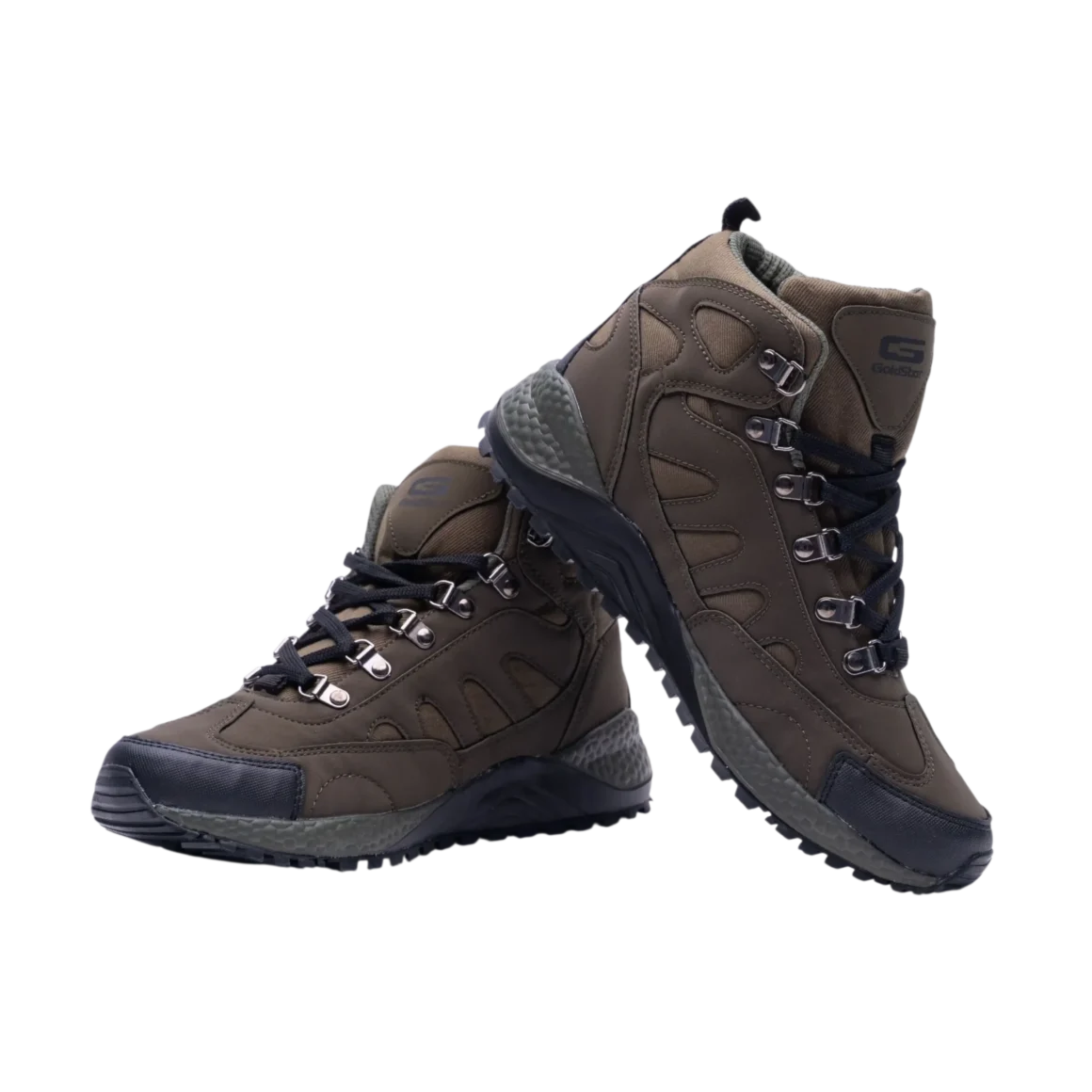
- Goldstar Trekking Shoes: A local legend in Nepal! They are incredibly affordable, lightweight, and have a surprisingly good grip on dry stone steps. Many local porters and guides swear by them. However, they lack waterproofing and ankle support, which can be a problem in snow or rainy weather.
- High-Class Gore-Tex Boots: If your budget allows, brands like Salomon, La Sportiva, or Lowa with Gore-Tex lining are highly recommended for Makalu. They provide:
- Waterproofing: Essential for crossing the Shipton La or walking through damp forests.
- Ankle Support: Crucial for the uneven, rocky trails near the base camp.
Essential Packing List:
| Item | Why you need it |
| Reusable Water Bottle | To stay hydrated and reduce plastic waste. Use purification tablets or a LifeStraw. |
| Trekking Poles | Your knees will thank you on those endless stone stairs! |
| Down Jacket | Temperatures at Base Camp can drop well below freezing at night. |
| Gaiters | To keep snow and small stones out of your boots. |
| Power Bank | Charging is expensive and sometimes unavailable in remote tea houses. |
| Sleeping Bag | Even with blankets provided, a -20°C rated bag ensures a warm night. |