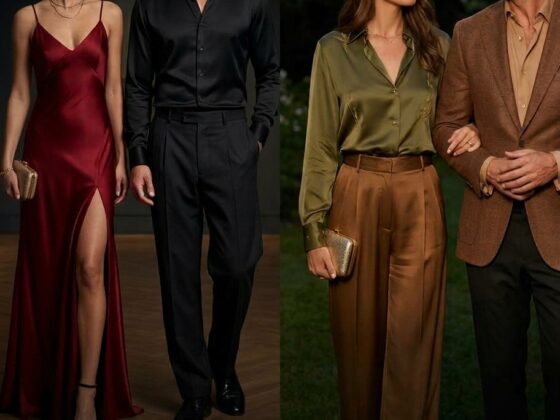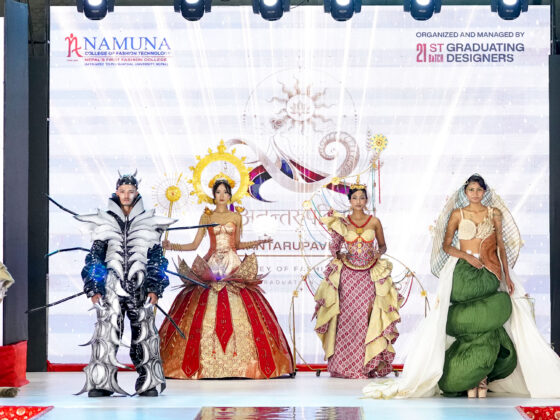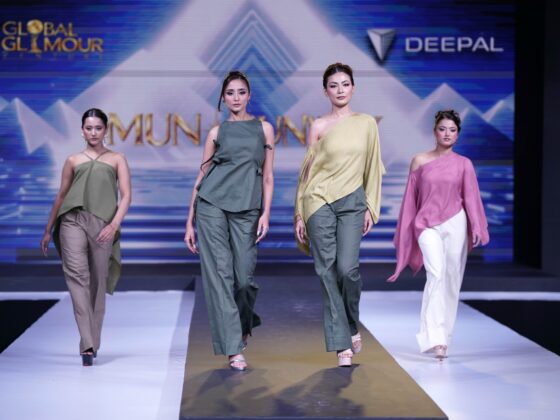
The Nepali movie industry is transitioning. Plots are sharpening, cinematography is maturing, and viewers are becoming more sophisticated. However, during this evolution, a potent tool remains largely neglected—fashion.
Clothing in cinema is never merely about fabric. It serves as a visual dialect, a narrative instrument, and frequently, the quiet foundation of a role’s persona. For cine star Swastima Khadka, style isn’t just about looks—it is a creative medium capable of shaping both the plot and a country’s financial health.
Beyond Surface Aesthetics
In Nepal, style is still generally viewed as superficial—focused on looking good or chasing fads. Yet, internationally, film has long recognized its profound worth. Wardrobe and aesthetics define personas, mold views, and generate enduring cultural ripples.
From sidewalks to the silver screen, style can turn fleeting scenes into cultural shifts.

Why Nepal Remains Behind
The hurdle is systemic. Nepal is missing a robust fashion infrastructure—spanning from textile creation to industrial-scale clothing assembly. Indigenous labels are surfacing, but they find it difficult to rival the supremacy of imported fast fashion.
Conversely, nations like India have effectively transformed fabrics into a national brand. Their materials, hues, and artistry are not just utilized—they are honored worldwide.
Nepal, regardless of its vast cultural wealth and history, has yet to entirely adopt this storytelling approach.
The Strength of Indigenous Roots
The contradiction is evident—Nepal’s primary asset is exactly what it hesitates to highlight.
Ethnic textiles, native designs, and heritage aesthetics possess massive narrative promise. Yet, there is frequently a hesitation to entirely adopt and project them through film.
The reality is straightforward: the more authentic the tale, the wider its international charm.
Cinema possesses the strength to turn local heritage into global clout—but only if it has the courage to claim it.

Finances vs. Imagination
A primary obstacle is funding. In massive movie industries, stylists receive the assets to craft striking appearances. In Nepal, tight budgets force designers to balance several assignments, limiting their artistic focus.
The outcome? Apparel becomes practical rather than life-changing.
Still, even under these pressures, there is an increasing push to improve aesthetics and weave fashion more purposefully into the script.
A Shift in Motion
There was an era when performers supplied their own outfits to the studio. Now, the sector is gradually moving toward expert styling and conceptual design.
It might appear to be a minor change—but it signals the start of a significant metamorphosis.
If funding, imagination, and artistic teamwork unite, Nepali film has the chance to be more than a narrative outlet—it can become a global pioneer.