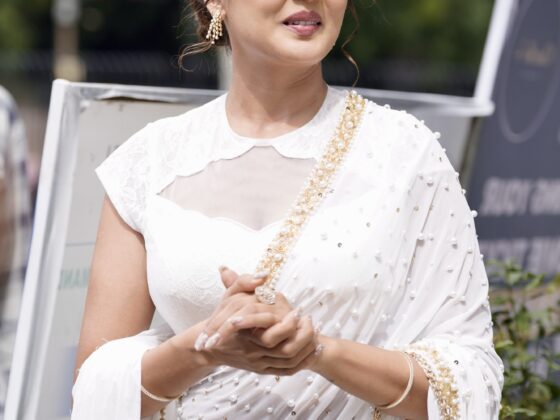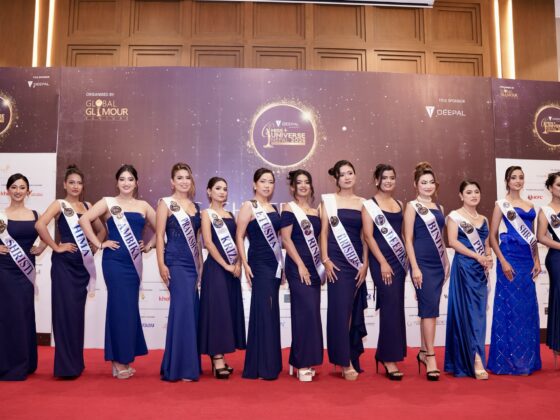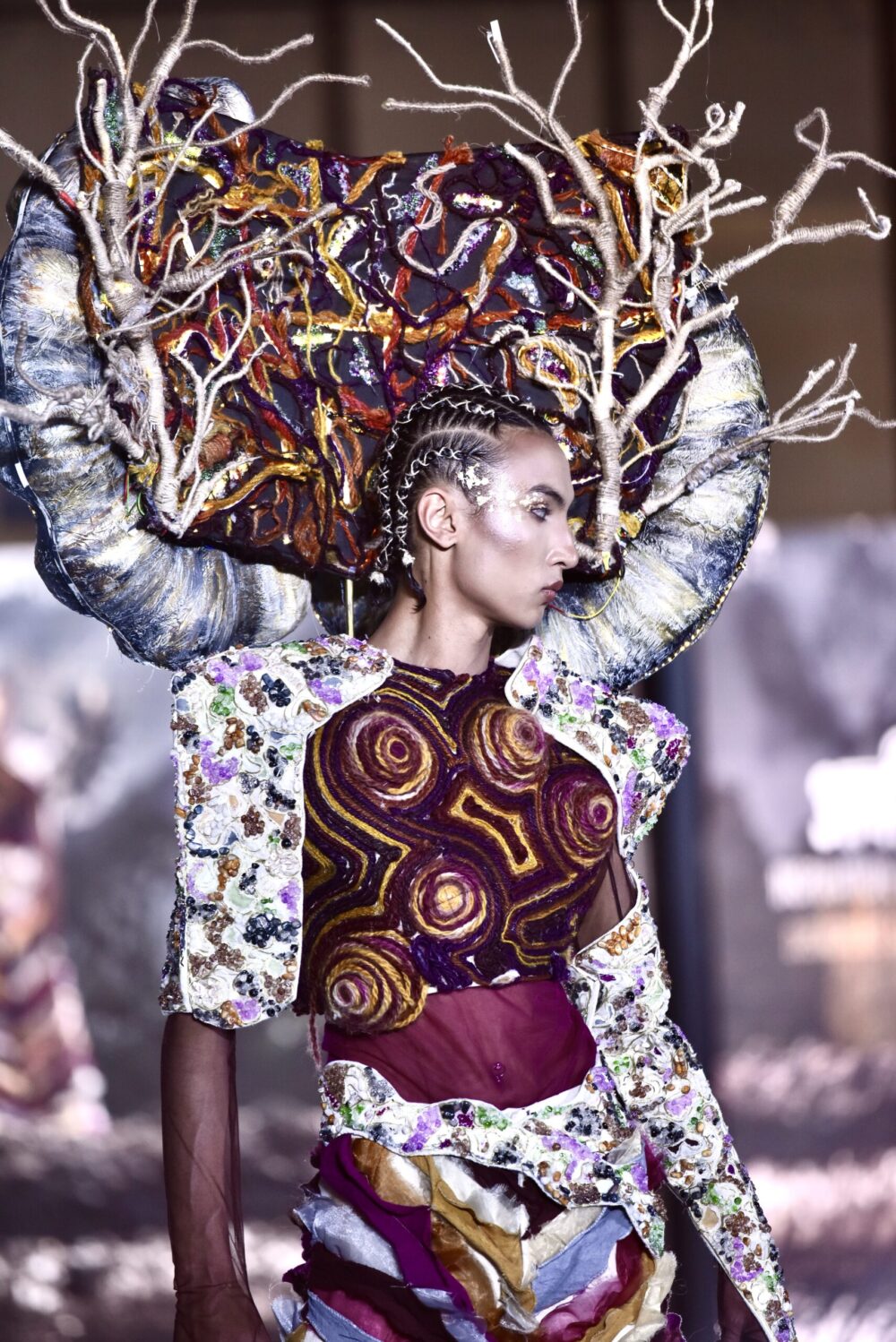
We have all been there, scrolling through social media or watching the Met Gala or major film festivals, only to see celebrities wearing outfits that look more like space-age sculptures or abstract paintings than actual clothing. The immediate reaction is often a mixture of confusion and humor: “Who would actually wear that?” or “Is that a dress or a tent?”
However, these garments are not meant for a casual stroll or a dinner party. In the professional fashion world, this is known as Avant-Garde.
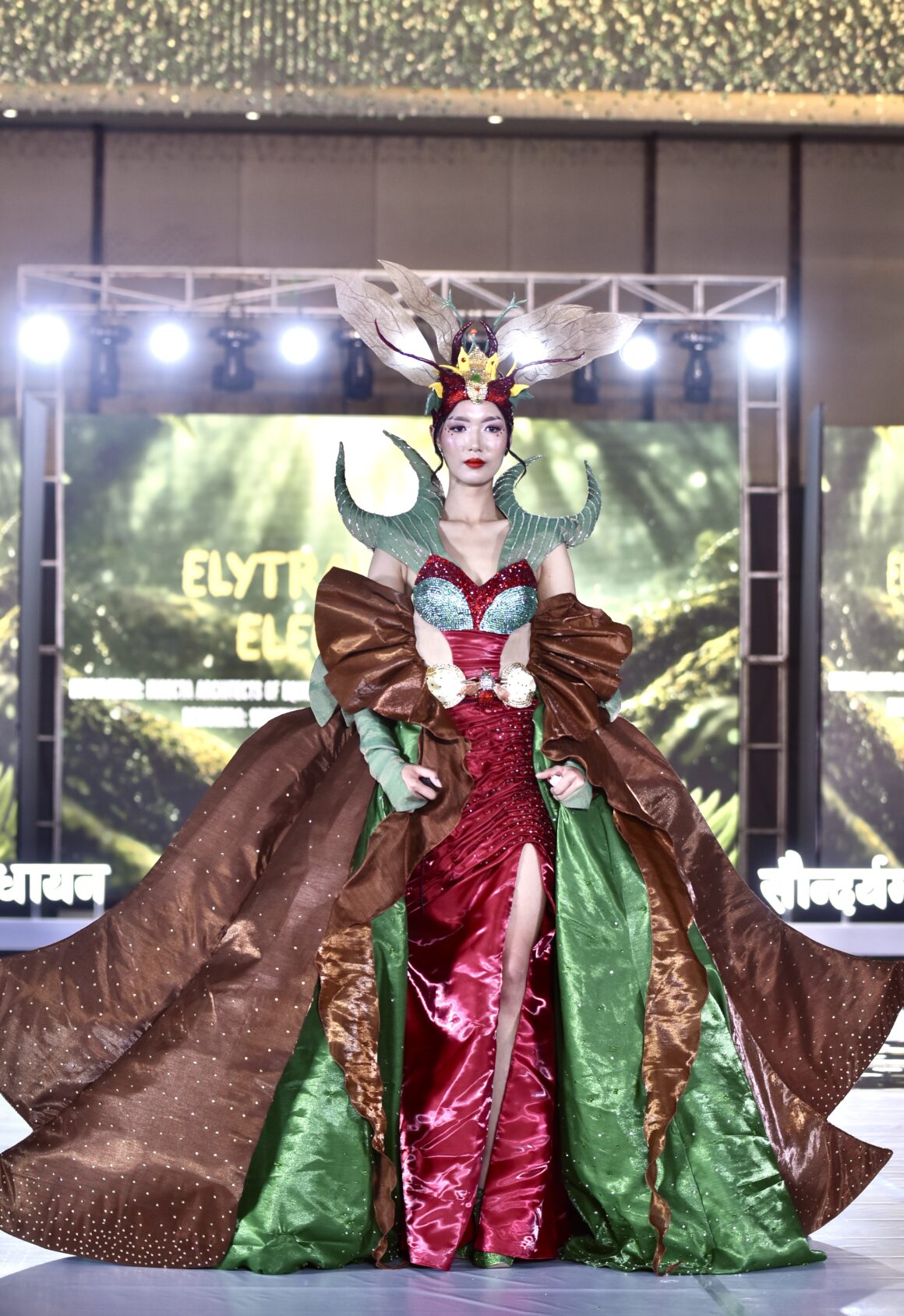
What is Avant-Garde?
“Avant-Garde” originates from a French military term meaning “vanguard” or “advance guard”—the people at the frontline of a movement. In fashion, it refers to a style that is experimental, radical, and unorthodox. It is the point where clothing crosses over into the realm of pure art.
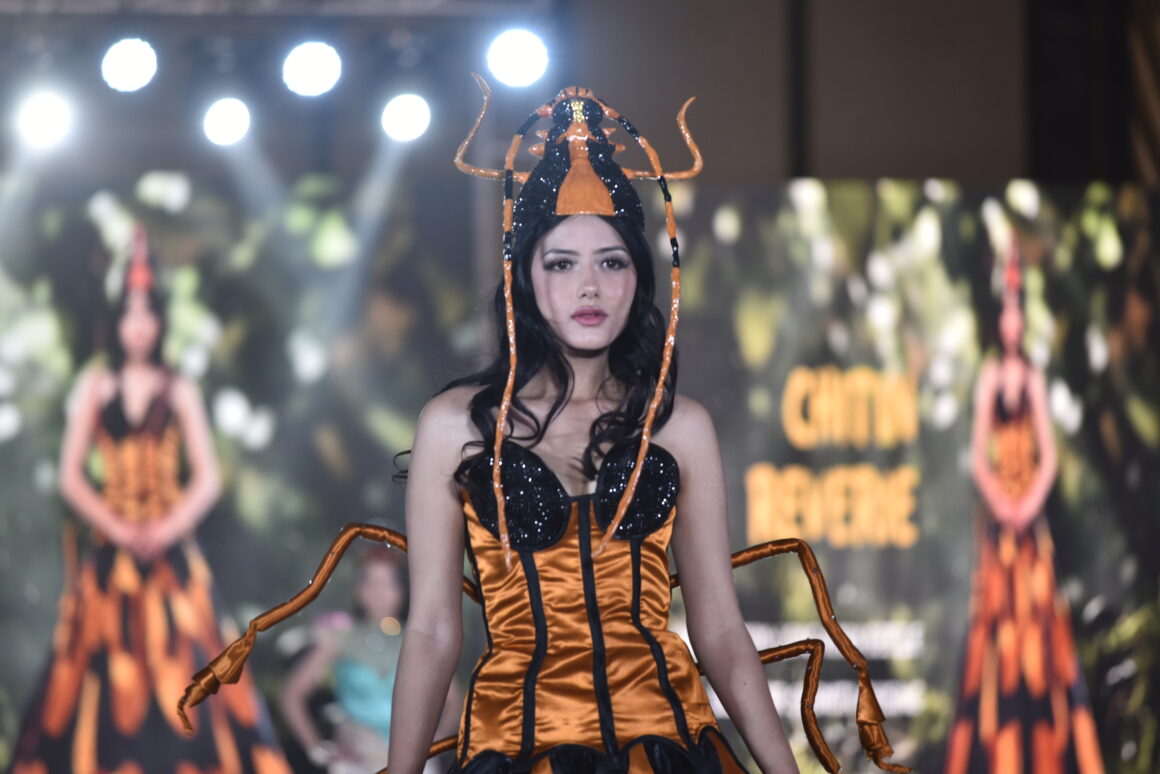
The Anatomy of Experimental Fashion
To understand why a designer would create something “unwearable,” we must look at the elements that define this genre:
- Architectural Silhouettes: Unlike commercial fashion that follows the natural curves of the human body, Avant-Garde ignores traditional anatomy. It uses sharp angles, extreme volumes, and structural shapes inspired by architecture and geometry.
- Non-Traditional Materials: Designers often step away from silk and cotton, opting instead for metal, recycled plastic, paper, glass, or even industrial waste to challenge our perception of “luxury.”
- Inspiration Beyond Apparel: An Avant-Garde piece might be inspired by a political statement, a psychological state, or a futuristic concept. It is a visual manifesto rather than a garment.
Non-Commercial Intent: These pieces are not designed for mass production or retail sales. They are created to showcase the designer’s peak technical skills and creative vision.
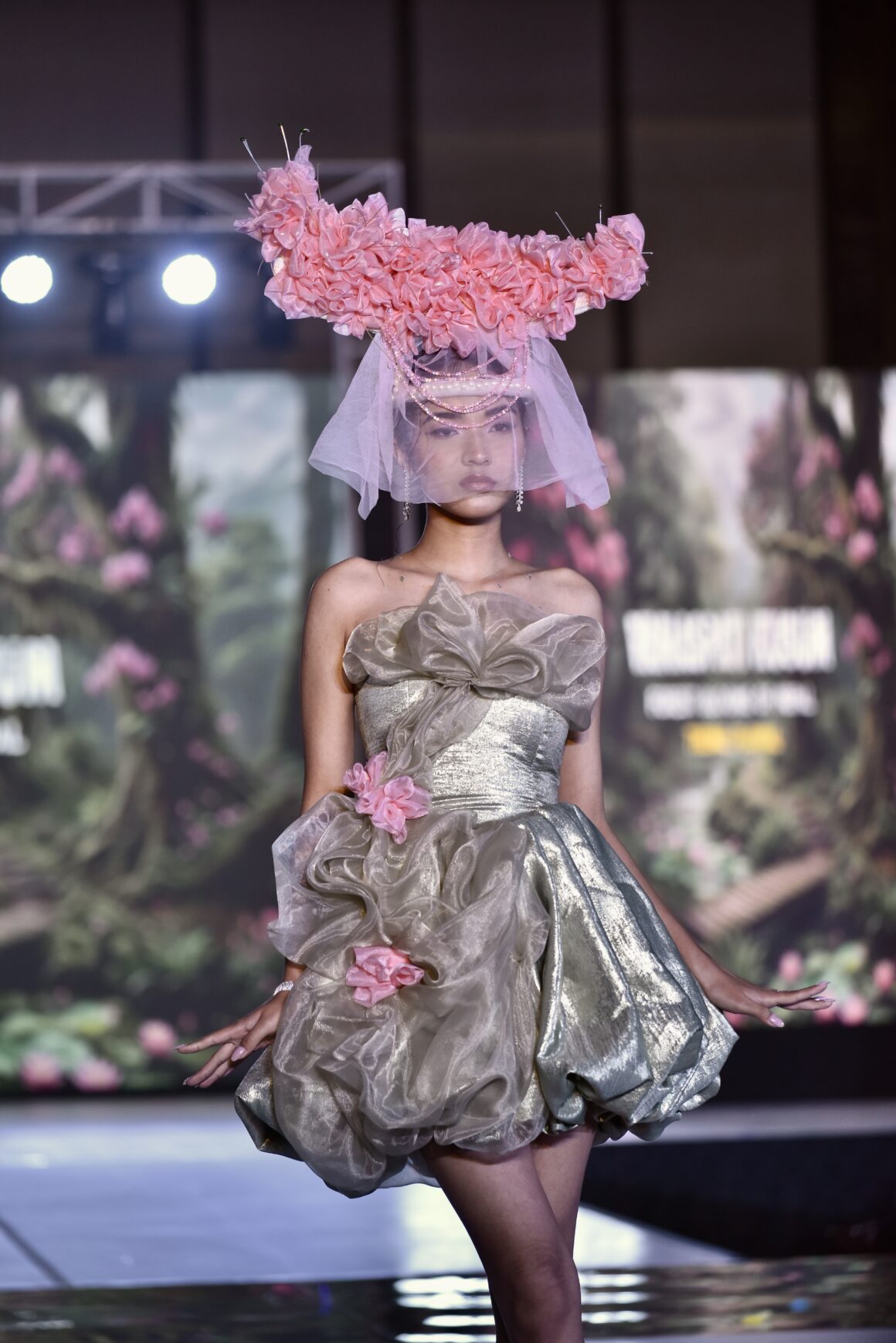
Why Does It Matter?
If these clothes aren’t meant to be bought or worn regularly, why do they exist?
Pushing Boundaries: Avant-Garde acts as a “research and development” lab for fashion. The extreme ideas seen on the runway today often trickle down into “ready-to-wear” fashion tomorrow in subtler forms, like a specific shoulder cut or a new way of draping fabric.
Storytelling: For a designer, a runway show is a performance. Avant-Garde allows them to tell a story or highlight a social issue through a physical medium.
The Art of Craftsmanship: It serves as a reminder that fashion is a discipline of fine art. Just as a painter uses a canvas, a fashion designer uses the human form to build a masterpiece.
The next time you see a celebrity in a dress that looks like a “joke,” take a second look. You aren’t just looking at a piece of clothing; you are looking at a sculpture in motion. Avant-Garde fashion asks us to stop looking at clothes as mere utility and start seeing them as the ultimate expression of human imagination.